
At Kabuuka Primary School, Cissy’s Story Shows How Water Changed Everything for Girls

In Kabuuka Primary School, what once defined a normal school day was not the sound of chalk on the blackboard or children reciting lessons, but the long, exhausting search for water that shaped every routine before learning could even begin.
Pupils here walked about two kilometres to the nearest water source, a journey that drained their energy before they entered class and often exposed them to unsafe water that contributed to frequent illness and absenteeism. For girls, the challenge carried an additional weight, especially during menstruation, when the absence of water and adequate sanitation meant missing school days, and quietly battling stigma that no child should have to carry.
“Before, we used to fetch water from a well that was far away,” Cissy recalled, her voice carrying the memory of those difficult mornings. “Sometimes I would come to school without bathing, especially during my menstrual days, and it was very uncomfortable.”
At home and at school, the struggle was the same, as water scarcity shaped not only hygiene but dignity, confidence, and participation in learning. On days when conditions felt overwhelming, Cissy and other girls would remain at home, not because they lacked ambition, but because the environment around them did not support their basic needs.
“If there was no water, I would just stay home,” she said. “It was embarrassing, and I felt left out.”
Teachers at Kabuuka Primary School observed a pattern that cut across attendance registers and classroom performance, with recurring illness, fatigue, and absenteeism undermining learning outcomes, especially among girls. The problem, they noted, was never just about education alone but about the conditions that surrounded it.
That reality began to shift through the intervention of World Vision Uganda under its community development efforts, which prioritise child well-being through improved access to essential services such as safe water, sanitation, and hygiene.
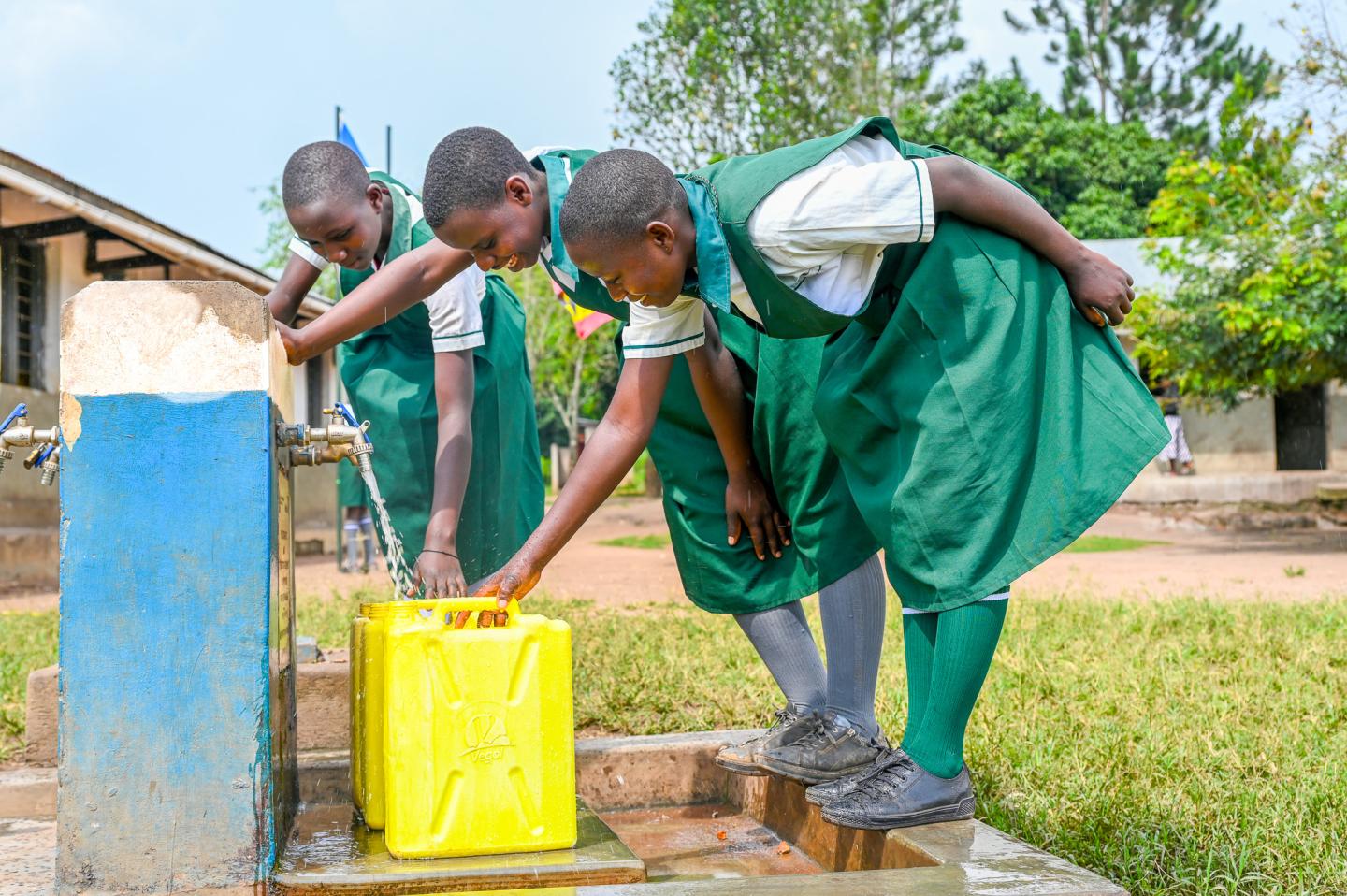
A motorised water system was constructed to serve the wider Kabuuka community, extending reliable and clean water not only to households but directly into the school compound.
What was once a daily struggle became a dependable service, as clean water began flowing within the school environment, reducing the distance children had to travel.
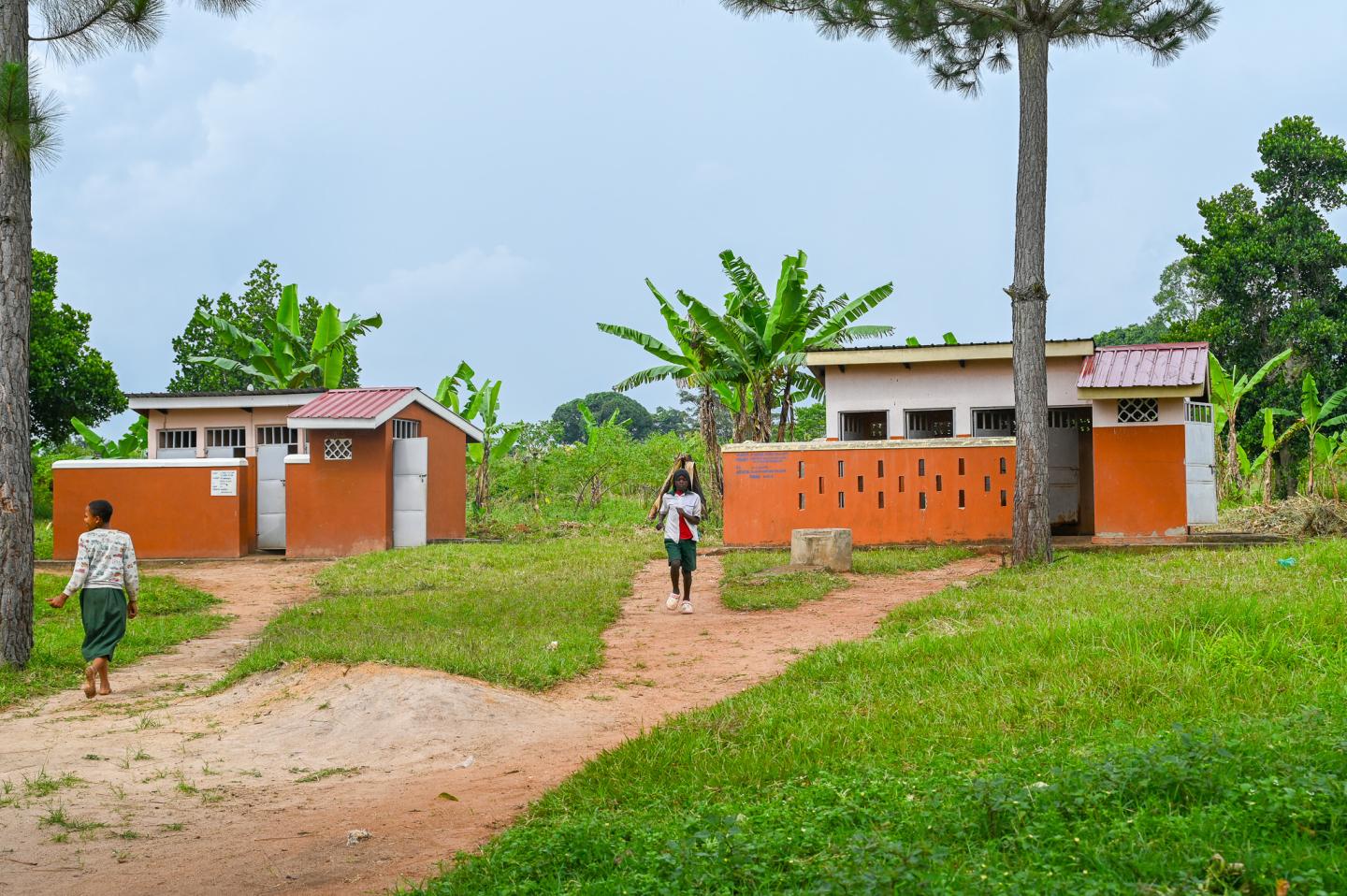
Alongside this, improved sanitation facilities, including latrines constructed within the school, strengthened hygiene standards and created safer, more dignified spaces for learners, particularly adolescent girls.
For Cissy, the change is not abstract; it is lived every day in simple but powerful ways that have redefined her experience of school life.
“Since the water was extended to our school, everything has changed,” she said. “We now have clean water to drink, to wash our hands, and to keep the school environment clean, and the latrines have also made a big difference for us as girls.”
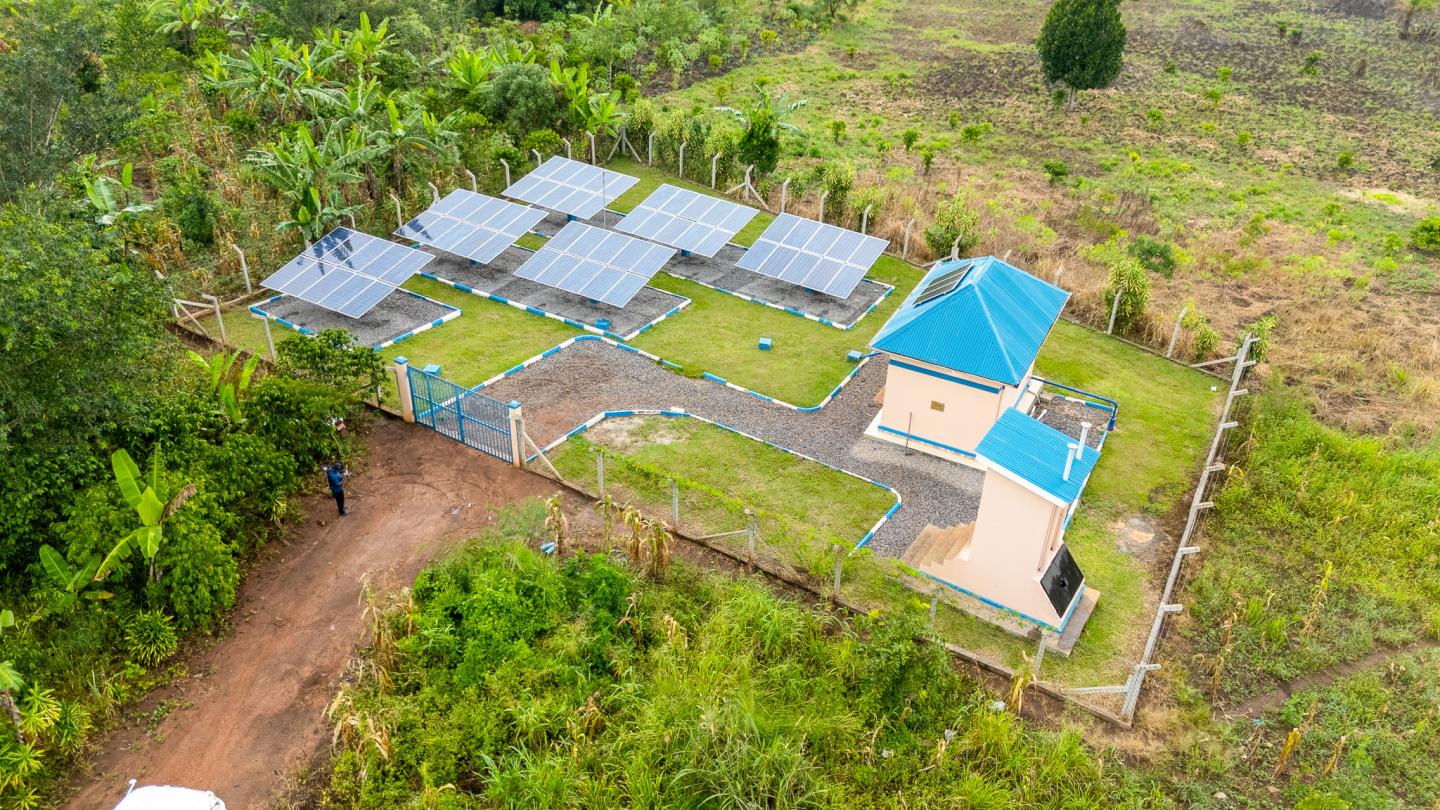
With water now available within reach, the barriers that once forced girls to miss school have been significantly reduced, allowing learners to attend more consistently, manage their hygiene needs with dignity, and participate fully in classroom activities without interruption or fear of embarrassment.
“I can now access water during my menstrual days on time,” Cissy added. “I no longer miss school or feel uncomfortable.”
Beyond water and sanitation, the support extended to scholastic materials, enabling learners to better engage in lessons and recover lost learning time, a holistic approach that reflects World Vision Uganda’s broader commitment to strengthening child well-being through integrated community interventions.
Today, Kabuuka Primary School reflects a quieter but more powerful transformation, where children arrive cleaner, healthier, and more ready to learn, and where dignity is no longer negotiated around water access but supported by it.
For Cissy, that transformation has reshaped how she sees her future. “I am grateful for what has been done for us,” she said. “School is now comfortable and safe for girls like me, and I believe I will finish school and achieve my dreams.”
Story and photos by Matthew Kisa, Communications Officer.