
World Vision Partners with Faith Leaders to Curb Ebola in Uganda

World Vision Uganda is strengthening community response to Ebola by working with faith leaders through its Channels of Hope model, turning trusted religious platforms into powerful channels for life-saving information.
The approach comes at a critical time. Uganda is once again responding to Ebola virus disease, a recurring public health threat in the region. The virus, first identified in 1976 along the Ebola River in the Democratic Republic of Congo, has appeared in multiple outbreaks across Central and East Africa over the decades. Uganda itself carries historical experience with the disease, including the Bundibugyo strain first detected in Bundibugyo District in 2007.
Nearly two decades later, Bundibugyo virus disease remains part of the country’s outbreak memory, shaping both public awareness and fear whenever new cases emerge.
As of July 1, Uganda had recorded 20 confirmed cases, including two deaths, and one probable death linked to the outbreak. Health authorities report that the current transmission is epidemiologically connected to cross-border movement from the DRC, with both imported infections and secondary transmission, including among healthcare workers.
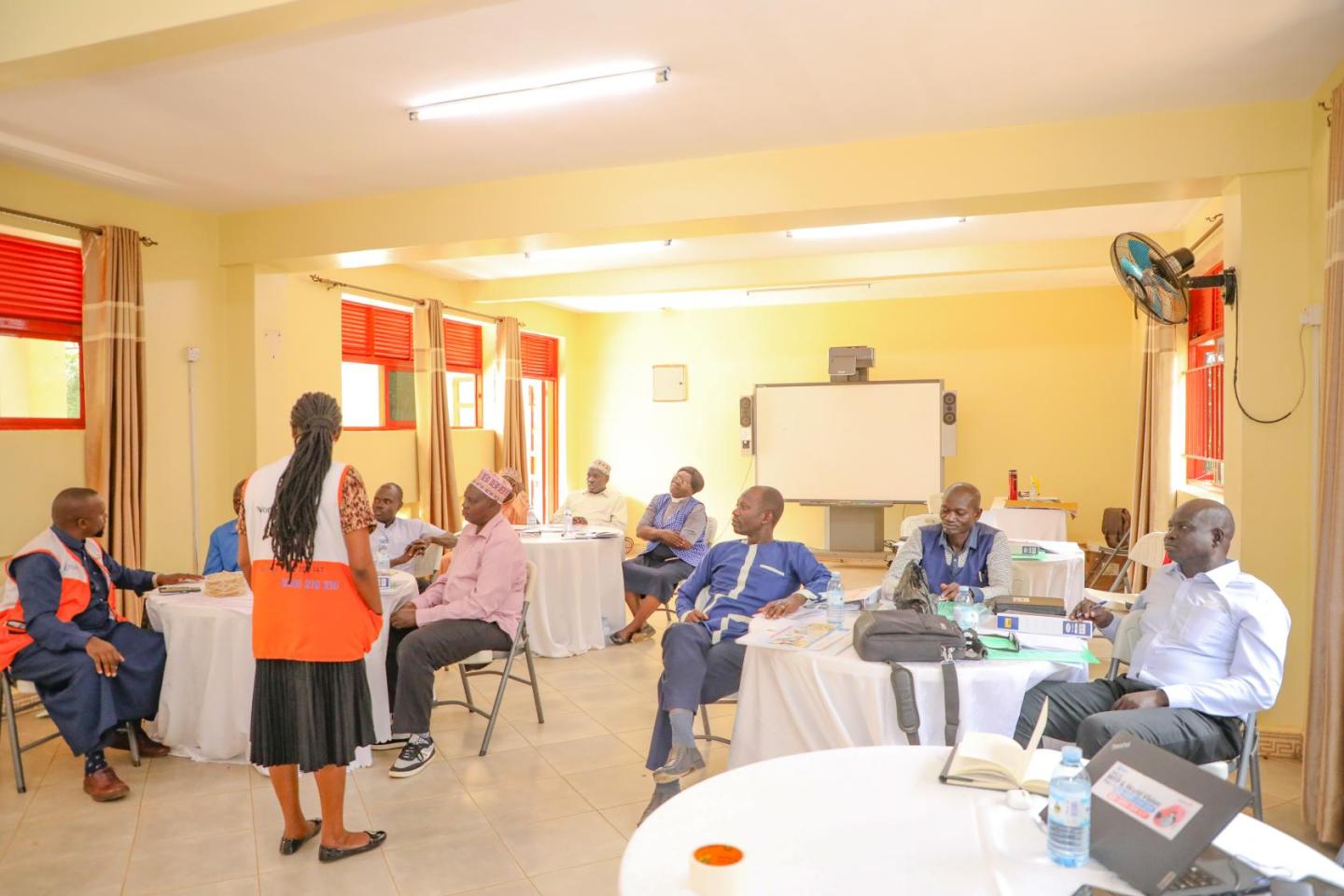
Why faith leaders matter in a health crisis
Beyond the clinical response, experts warn that Ebola outbreaks are also driven by misinformation, stigma, and fear. In such contexts, delays in reporting symptoms, resistance to isolation, and unsafe caregiving practices can accelerate transmission as quickly as the virus itself.
In many Ugandan communities, faith leaders remain among the most trusted sources of guidance, often shaping how people interpret crises and respond to public health messages. It is within this reality that World Vision’s Channels of Hope model operates.
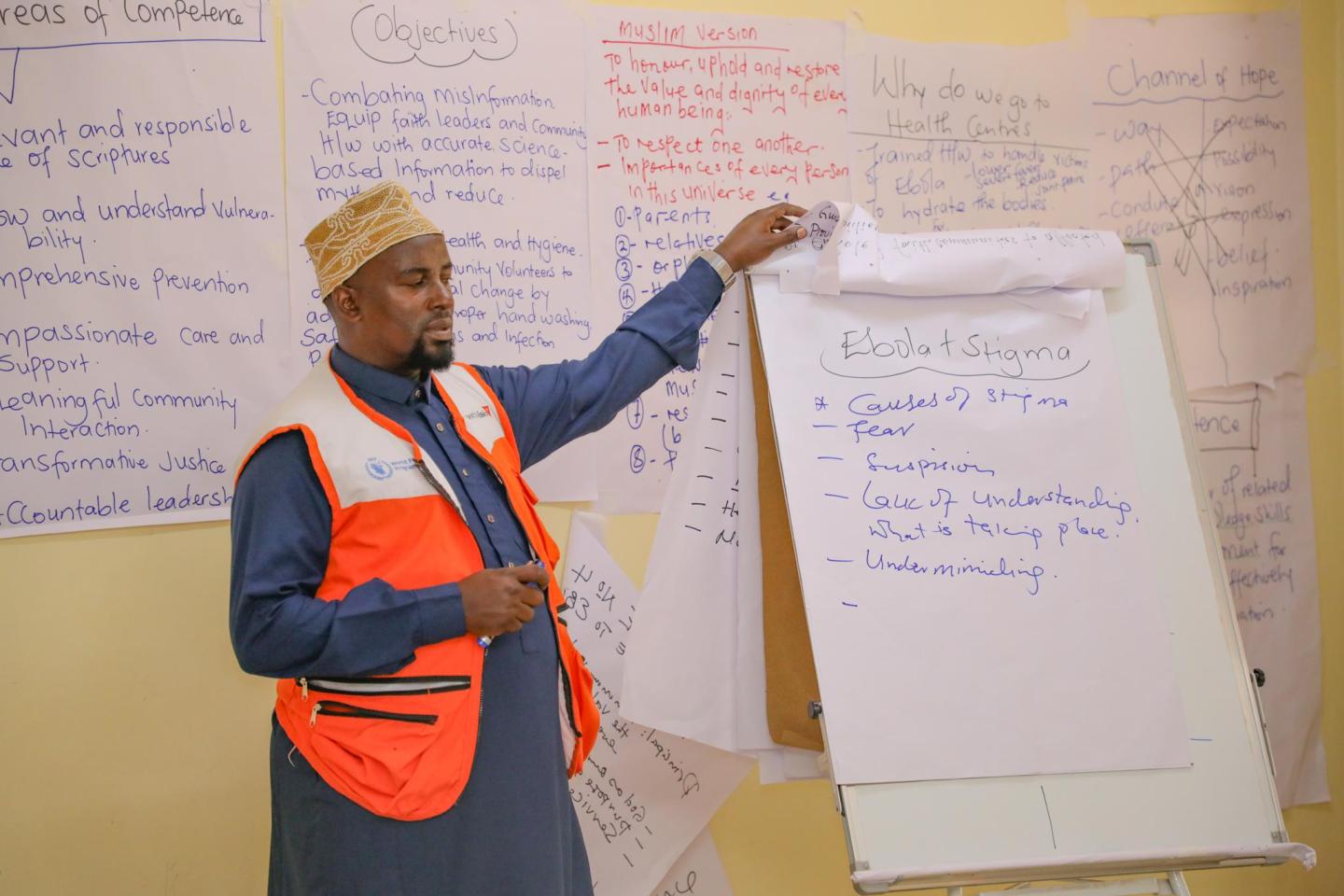
The model equips pastors, priests, sheikhs, and other religious leaders with accurate information on Ebola transmission, prevention, and response protocols. It also strengthens their ability to challenge myths, encourage early health-seeking behaviour, and promote cooperation with health authorities and surveillance teams.
According to Paul Mwirichia, Uganda Response Management Director at World Vision Uganda, faith leaders play a decisive role in shaping community behaviour during health emergencies.
“Channels of Hope recognises that faith influences how people understand suffering, risk, and health guidance. It also recognises that faith leaders are uniquely positioned to influence whether communities accept or resist life-saving interventions,” he said.
Turning trust into protection
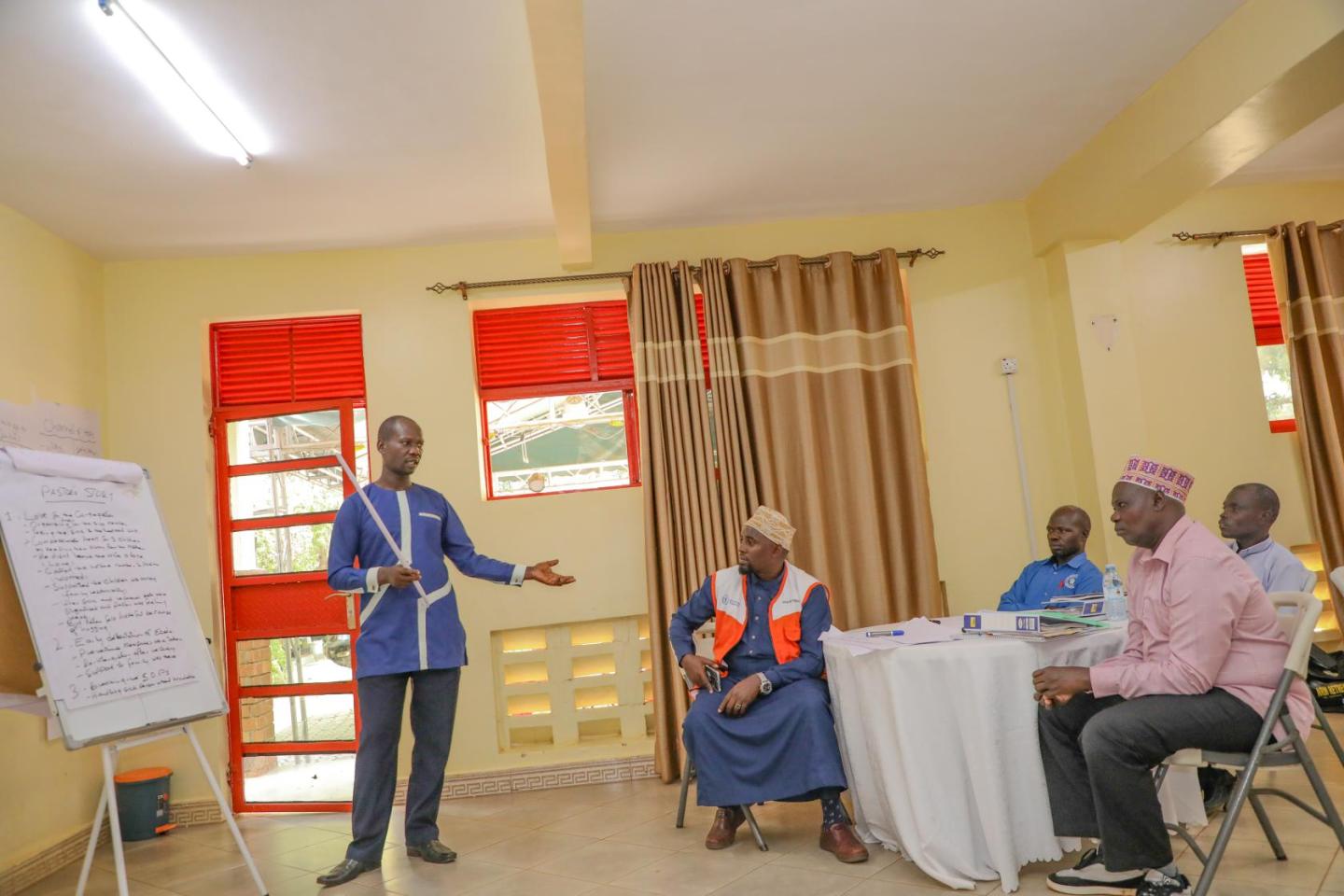
Through structured engagement, World Vision Uganda has trained 44 faith leaders across nine high-risk districts in West Nile and Western Uganda as part of the ongoing response.
The training does not replace existing health systems but strengthens them by extending accurate messaging into places where formal communication may have limited reach. Faith leaders are encouraged to integrate prevention messages into sermons, community discussions, and counselling sessions, reinforcing national health guidance in familiar and trusted spaces.
This integration of faith networks into public health response has proven especially critical in addressing misinformation and reducing stigma around Ebola treatment and containment measures.
As Uganda continues to monitor and respond to new cases, Channels of Hope remains part of a broader effort to ensure that accurate information, trust, and coordinated action move together in containing the outbreak and protecting communities.
Story by Derrick Kyatuka, Mungu Jakisa Brian, and Sherina Yikpamungu. (Communications Team)