
A market garden, a source of hope for the Sinignèsigui group

Faced with the growing impact of climate change on agriculture in the Sahel countries, which is leading to a significant drop in harvests, communities in Mali have implemented alternative solutions, notably vegetable gardening.
In the Mopti region, this activity has become essential for some women, enabling them to contribute to family expenses and improve their children's nutrition.
The Sinignèsigui group in Doundou has been successfully operating their market gardening site for 11 years.
"We started market gardening in 2014. We grow several varieties of plants, because it is an important job for us. At first, we encountered difficulties, but thanks to the NEXUS Project, we were able to overcome them. The project provided us with solar kits to repair our irrigation system, which had broken down and was impacting our work. It also provided us with high-quality seeds and secured our garden,"explains Nana Kadidia DIAWARA, president of the Sinignèsigui association.
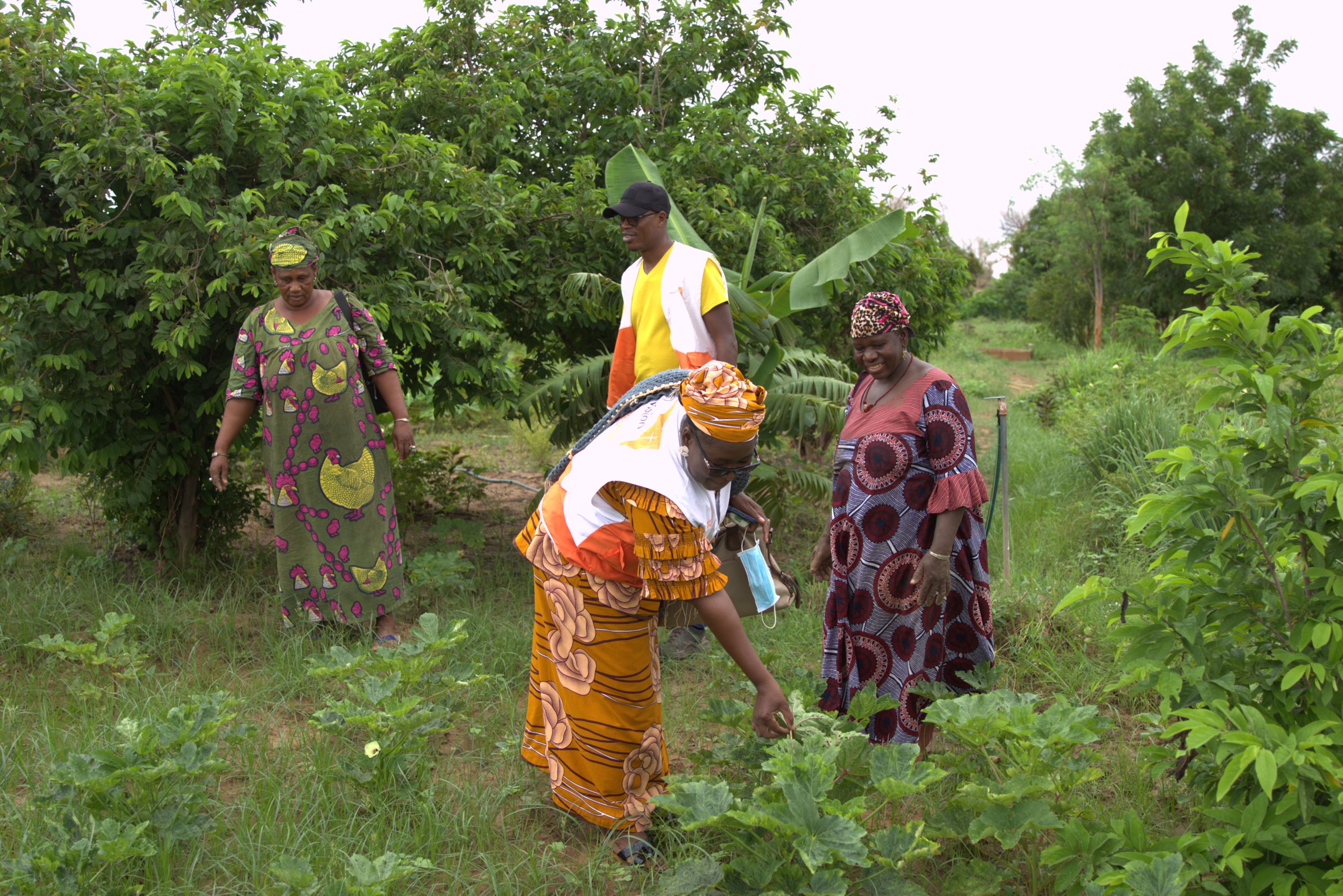
This support has profoundly transformed their business and enabled them to innovate. Nana adds:
"Since NEXUS intervened two years ago, our income has increased significantly. For example, the okra seeds that the project gave us are suitable for all seasons. We can grow it all year round. Thanks to this garden, our agri-food processing business has gained new momentum, because we process our own crops. We find everything we need thanks to this garden."
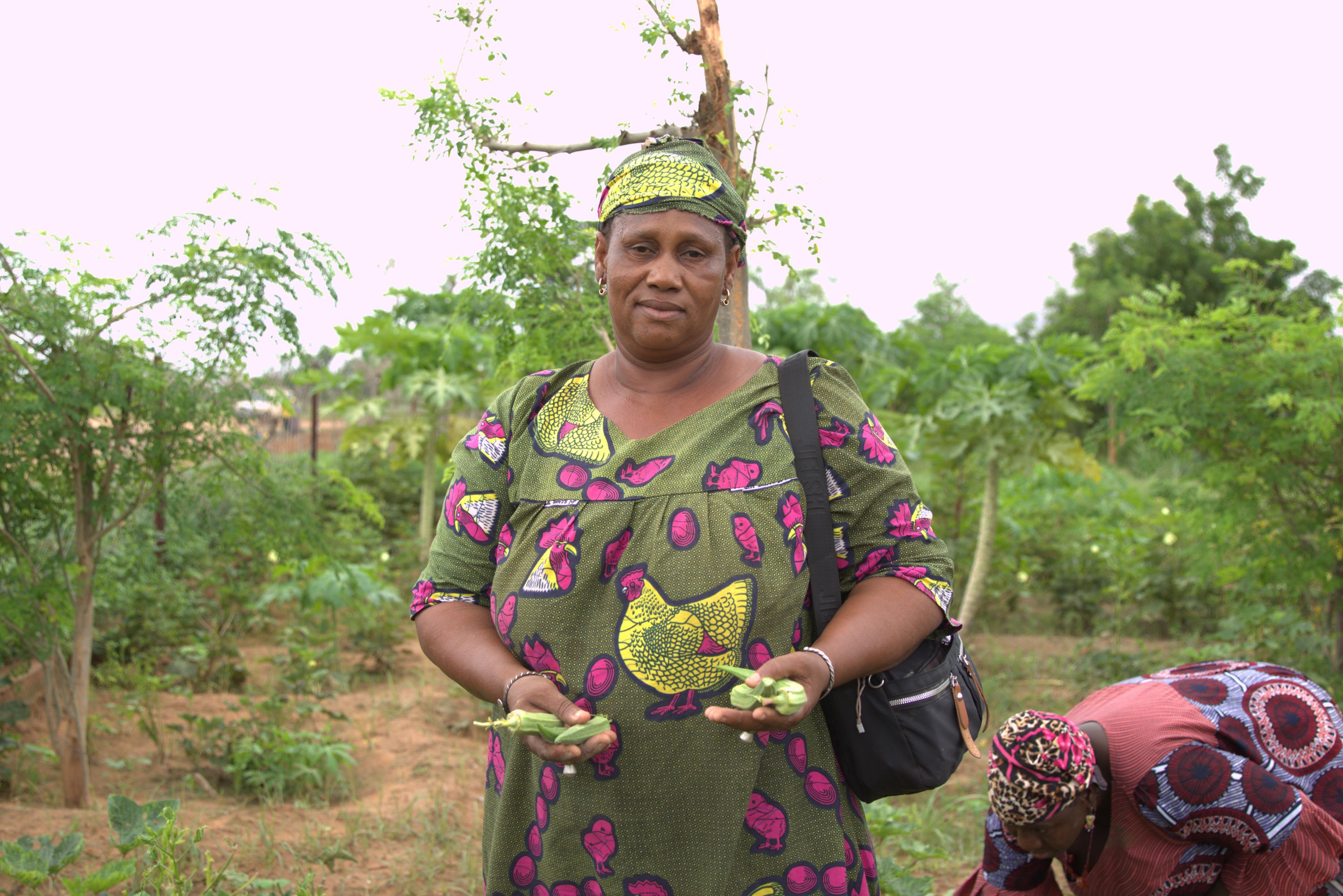
In addition to these advances, the Sinignèsigui group has been trained in the production of biopesticides and organic fertilizers in order to maintain organic production, thereby preserving the health of children, who are the end consumers.
Despite these advances, several challenges remain: the high number of women in the region who wish to follow in the footsteps of market gardening, the constant increase in internally displaced persons, the persistence of climatic hazards, and the still volatile security situation.