
Delivering Hope When It Was Needed Most

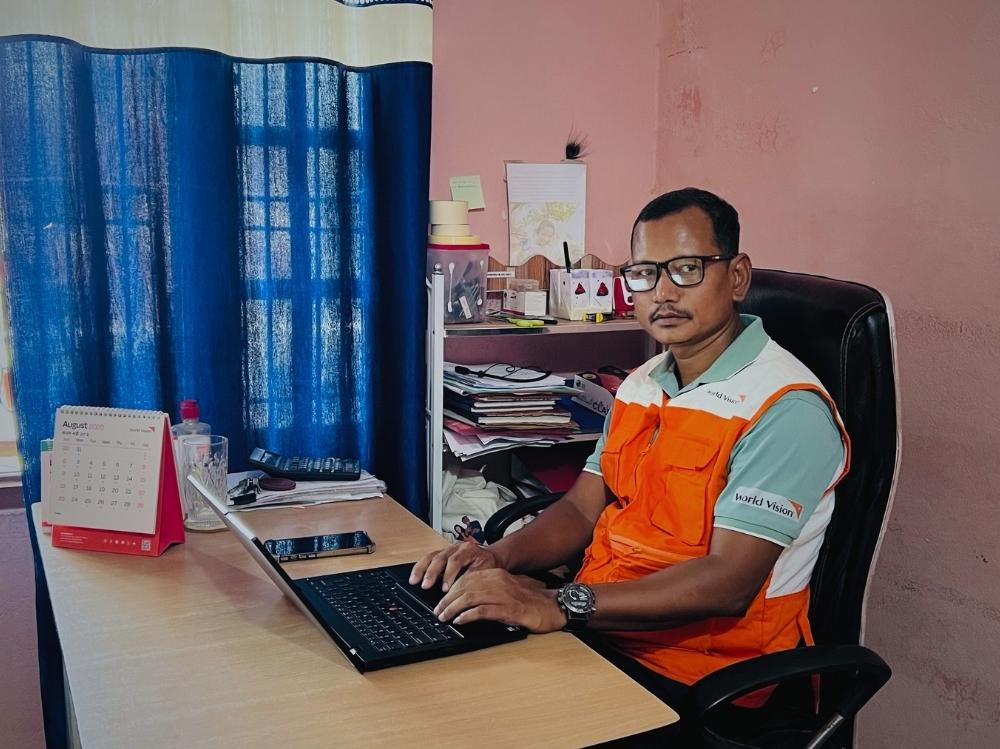
Yogendra Prasad Chaudhary | SCM and Admin Coordinator | World VIsion international nepal - west field office
"Humanitarian work is not only about delivering supplies; it is about delivering hope. As a Supply Chain professional, I feel proud when timely support reaches people in crisis and helps them feel safer, stronger, and less alone."
Three days and three nights. That is how long Yogendra Prasad Chaudhary stayed at an oxygen refill factory in Bara during Nepal's COVID-19 response, working around the clock to ensure that desperately needed oxygen cylinders could reach hospitals and health facilities without delay. At a time when oxygen shortages were putting lives at risk across the country, every cylinder mattered.
As an SCM and Admin Coordinator, Yogendra's work is often behind the scenes. He supports humanitarian responses through sourcing, procurement, warehousing, and distribution, helping ensure that essential supplies reach affected communities when they need them most. Whether dispatching relief items from a warehouse or fast-tracking procurement during an emergency, his focus is simple: ensuring the right items reach the right people at the right time.
Responding to a National Crisis
One experience that continues to stay with Yogendra is his involvement in the COVID-19 response. The pandemic affected nearly every family in Nepal, and the demand for essential medical supplies quickly outpaced available resources. Among the most urgent needs was oxygen. Hospitals and health facilities across the country were struggling to secure enough oxygen cylinders to treat patients. As part of the Supply Chain team, Yogendra worked closely with oxygen factories, transporters, and field teams to keep supplies moving. While many people were working from home, his role required him to remain in the field, coordinating the refilling and transportation of oxygen cylinders to districts where the need was most urgent.
He vividly remembers the days spent at the oxygen refill factory in Bara. The work was physically demanding, requiring constant coordination and follow-up to ensure cylinders were refilled as quickly as possible. Once ready, the cylinders had to be transported to districts including Dhanusa, Udaypur, Sarlahi, and Rautahat, where health facilities were relying on them to support patients.
What left the deepest impression on him was understanding the impact those efforts were having.
"Seeing the cylinders successfully delivered to the districts that urgently needed them gave me a deep sense of purpose and satisfaction," he recalls. "It reminded me that supply chain work is not only about procurement and logistics; it is about ensuring that critical and lifesaving supplies reach people at the moment they need them most."
Working Through Uncertainty
The response was not without challenges. Accessing oxygen refill facilities and arranging transportation became increasingly difficult during lockdowns and movement restrictions. Every step required coordination, persistence, and quick decision-making. At the same time, there was the constant concern about personal safety. Working in factories, coordinating with transporters, and travelling to support operations meant facing the risk of COVID-19 infection while much of the country remained under restrictions. Yet Yogendra and his colleagues understood that any delay could directly affect patients and health facilities waiting for oxygen support. Despite the pressure, the experience taught him invaluable lessons about resilience, teamwork, and remaining calm under difficult circumstances.
"It highlighted the importance of ensuring continuity of the supply chain during emergencies," he says.
The Critical Role of Supply Chain
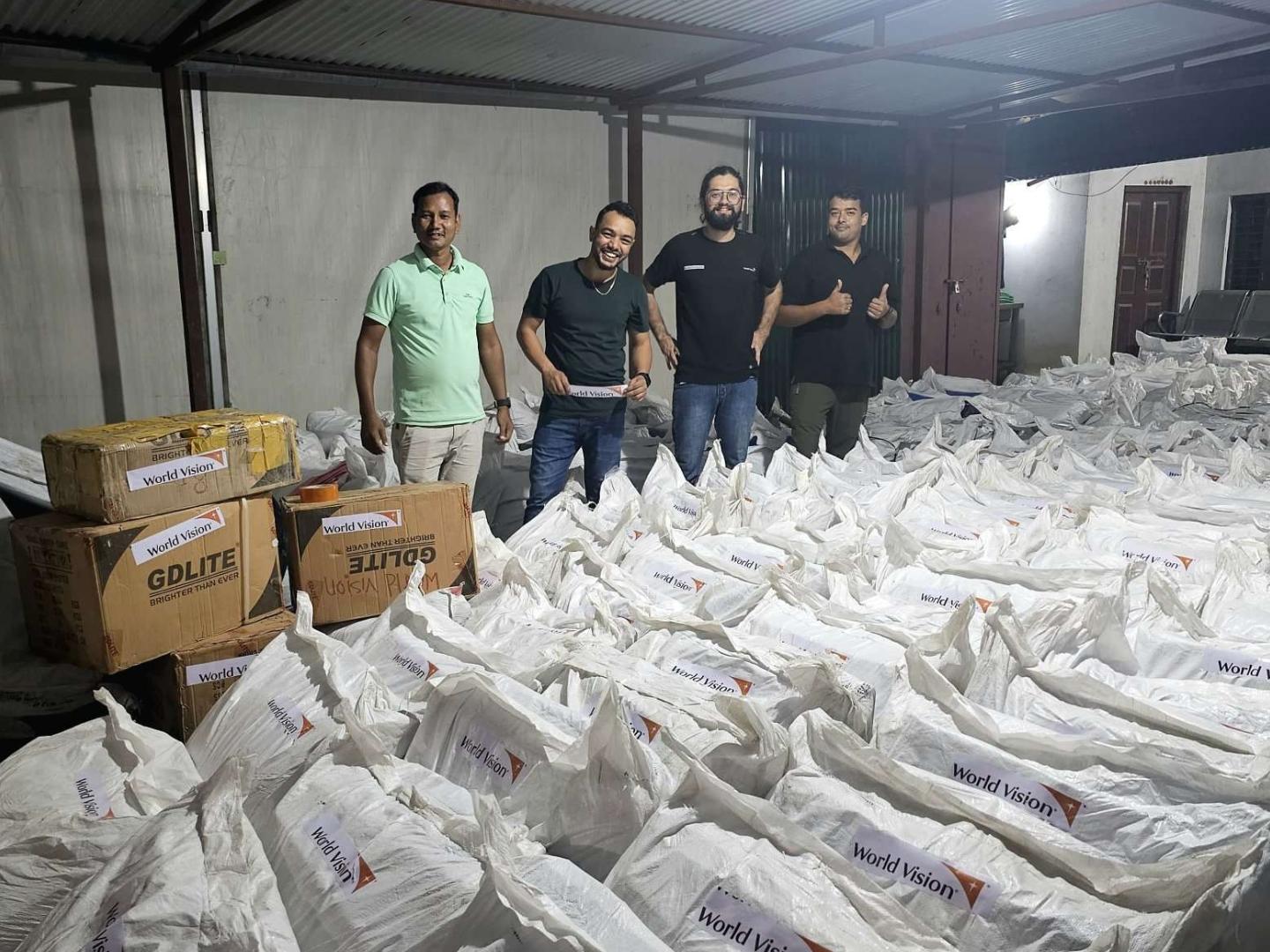
Many people see the visible results of humanitarian response but may not realise the amount of coordination that happens behind the scenes. For Yogendra, the role of Supply Chain is to transform identified needs into practical assistance. While programme teams assess needs on the ground, supply chain teams work to source, procure, transport, store, and distribute the items required to support affected communities. During the COVID-19 response, this meant coordinating closely with suppliers, warehouses, transporters, factories, field teams, and other stakeholders to ensure that critical supplies continued moving despite numerous challenges.
Although this work is rarely visible, he knows how important it is.
"Without timely procurement, logistics, transportation, and distribution, critical supplies would not have reached the people and facilities that depended on them," he explains.
A Moment of Pride
Looking back, one of the moments that made Yogendra feel his work truly mattered came when the oxygen cylinders finally reached the districts where they were urgently needed. After days of continuous work at the refill factory and countless hours coordinating transportation, he realised that every cylinder represented far more than a logistical achievement.
"Every oxygen cylinder represented a vital resource that could help save lives and support health facilities struggling to manage the crisis," he says.
Knowing that the cylinders had safely reached communities gave him a profound sense of satisfaction and reinforced the importance of his role. It was a powerful reminder that even work carried out behind the scenes can have a direct impact on people's lives during emergencies.
Purpose Through Service
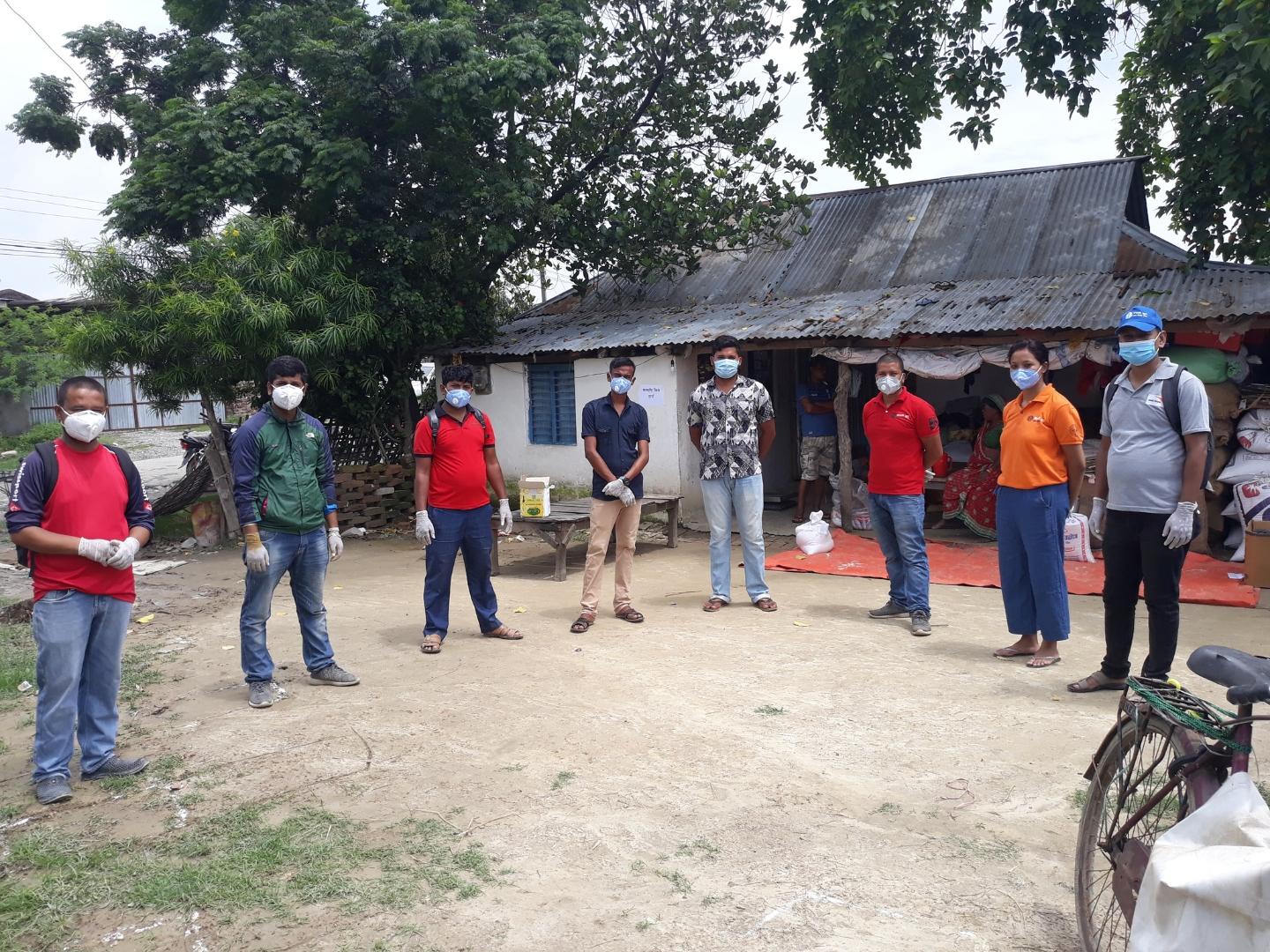
Over the years, Yogendra has witnessed how timely humanitarian support can change lives. He has seen families receive shelter materials after losing their homes, children continue their education through Temporary Learning Centres, and health facilities receive oxygen cylinders during critical shortages. These experiences continue to motivate him through demanding situations and long hours. For him, humanitarian work is more than a professional responsibility. It is an opportunity to support communities during difficult times and contribute to their recovery, resilience, and well-being.
Being a humanitarian, he says, means using his skills to help people when they need support most. His experiences during the earthquake and COVID-19 responses have shown him that even behind-the-scenes work can have a meaningful impact on people's lives. They have strengthened his commitment to serve with compassion, teamwork, and a strong sense of responsibility.