
A Refugee Mother's Journey to Voice, Leadership, and Community Transformation

In Pagirinya Refugee Settlement in Adjumani District, life moves with a quiet kind of resilience.
Behind every small shelter is a story of parents trying to stretch limited food, calm worried children, and hold together a sense of normal life in the middle of long-term displacement. In this setting, survival is not just physical, it is emotional, social, and deeply human.
And it is here, among these everyday struggles, that the Life in Fullness Together (LIFT) Programme, implemented by World Vision, is reshaping how families care for their children.
Instead of starting with systems or structures, LIFT starts with parents sitting together in circles, sharing stories they rarely get space to tell, and slowly rebuilding confidence in their own ability to raise, guide, and protect their children.
The programme follows a Progressive Action Learning Cycle, with thematic sessions designed not as lectures, but as shared conversations. Parents reflect on their experiences, learn practical skills, and most importantly, rediscover that they are not alone in what they face.
In one of those circles sits Betty Ojjaba, a mother of four.
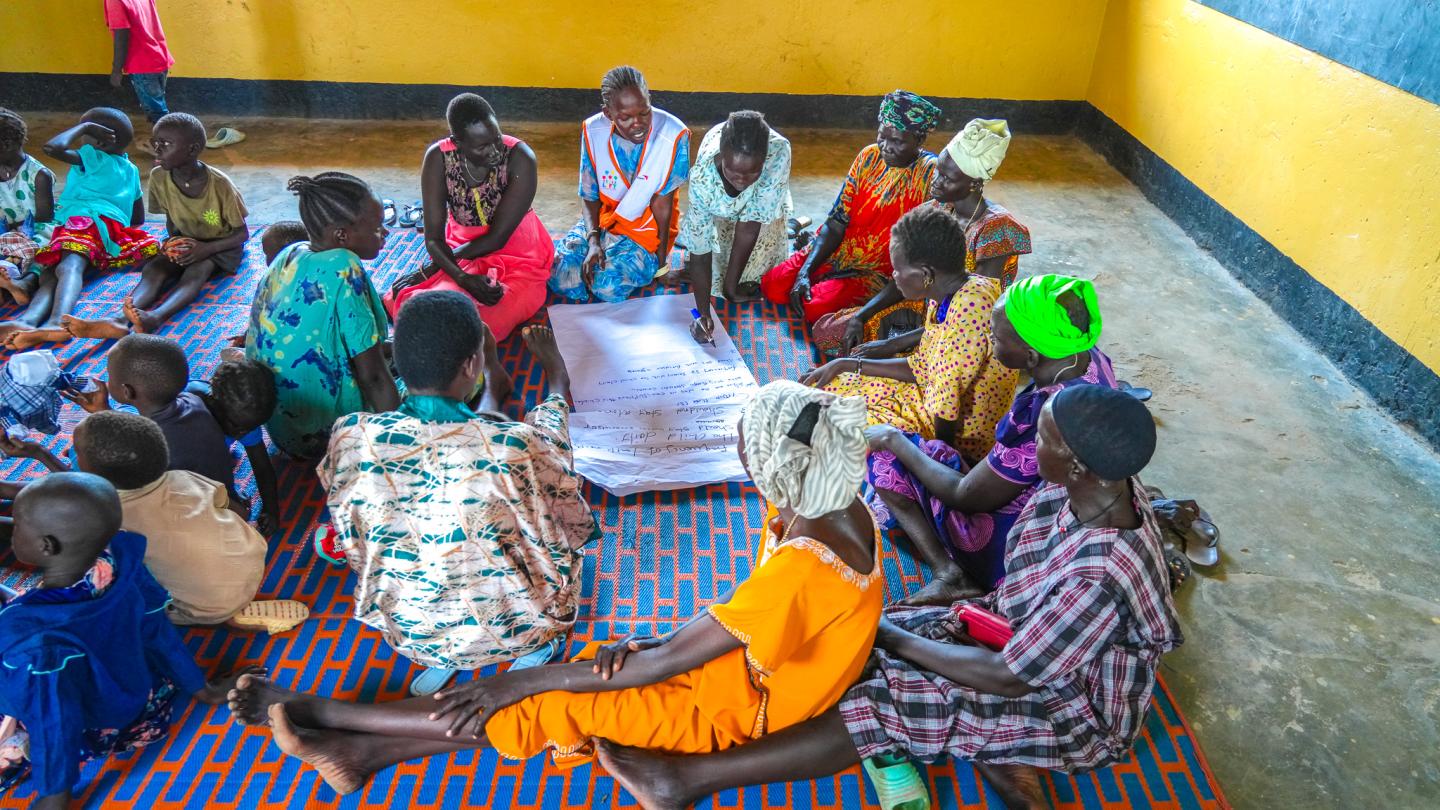
When she first joined, Betty did not arrive with hope. She arrived with expectations shaped by experience, expectations that humanitarian programmes usually come with something tangible: soap, refreshments, or small allowances.
So, when none of that came, she questioned why she should stay. “I thought the sessions were not useful,” she admits. “Because there were no refreshments.”
But something unexpected began to happen as she kept coming back.
She noticed that nobody was being treated as a passive recipient. Parents were speaking. Listening. Laughing. Sometimes disagreeing. And slowly, learning from each other’s realities rather than from instructions above them.
For Betty, that shift mattered. “When our views were respected, I felt like I belonged there,” she says.
Belonging turned into learning. And learning turned into change.
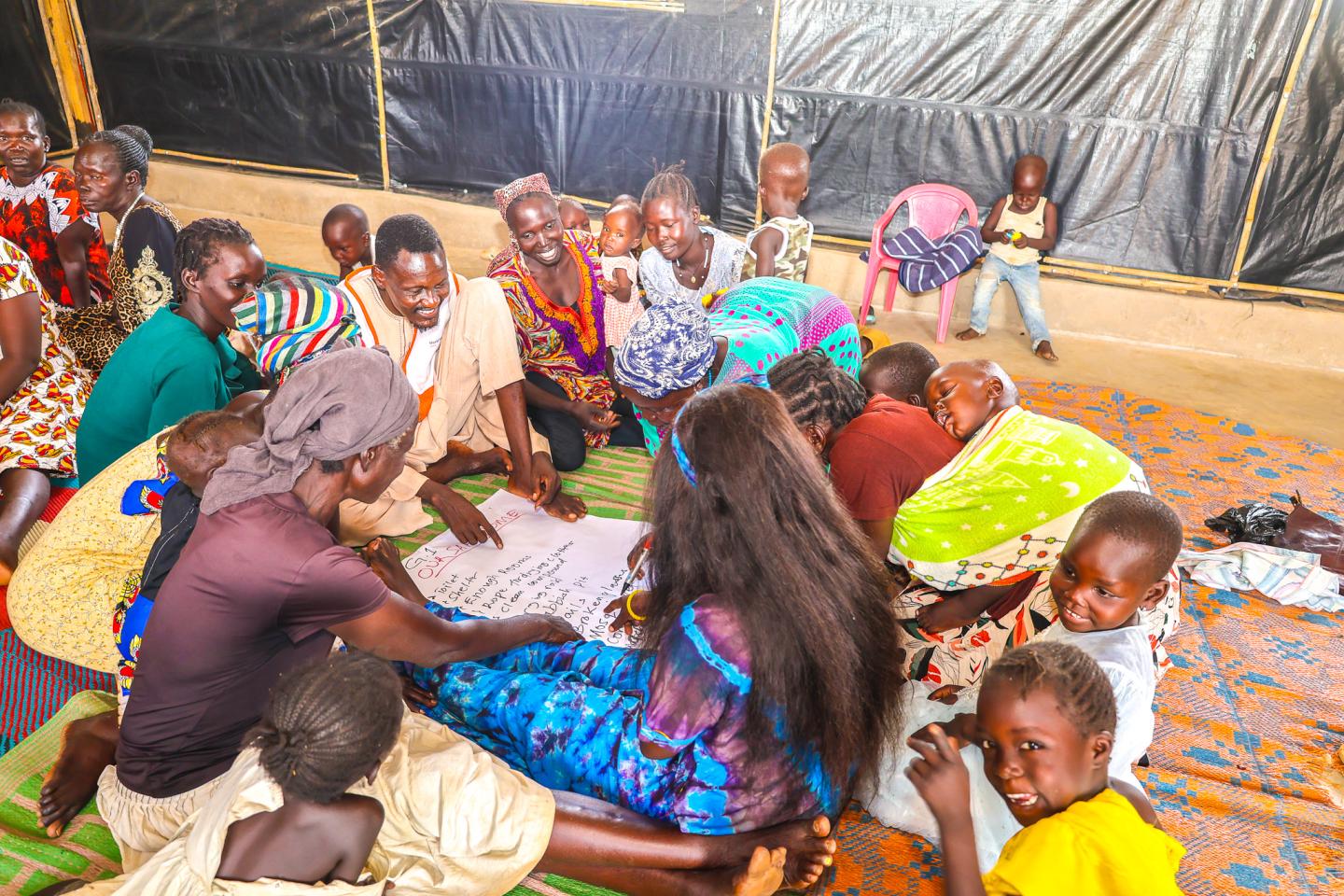
At home, Betty began noticing things she had previously rushed past, her children’s moods, their silence, their play, their fears. She started talking more with them instead of reacting quickly. She learned new ways of handling stress without passing it on.
“These sessions changed me,” she says simply. “I became a better mother. I understand my children more now.”
But Betty’s story does not end at her household door. Because change, when it is real, rarely stays private.
She began talking to other parents, first casually, then intentionally. She walked through the settlement visiting families, encouraging them to attend the sessions she once doubted. During meetings, she translated discussions so that no parent was left behind.
And slowly, something shifted across the community.
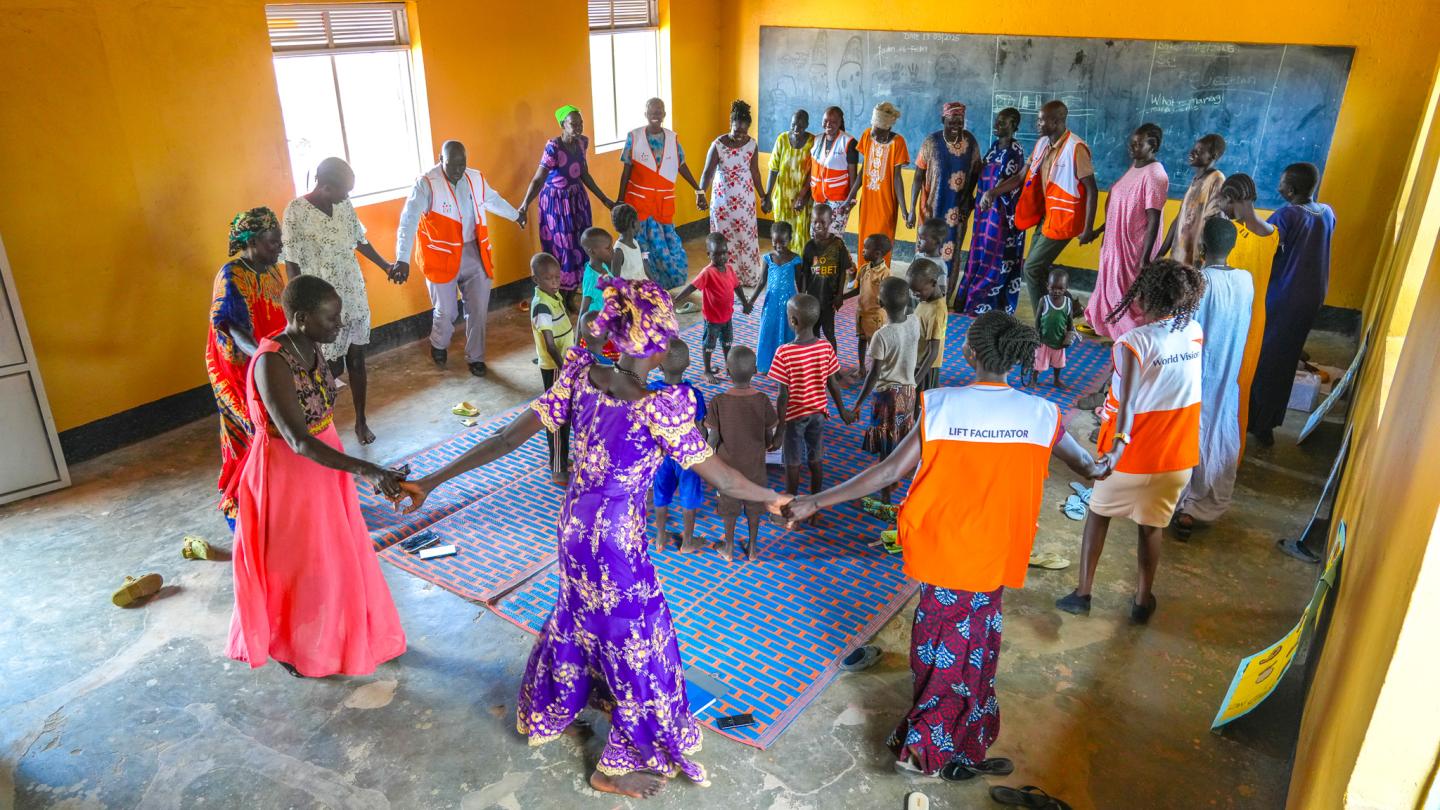
Parents who once believed discipline meant fear began to reconsider. Conversations replaced shouting in some homes. Children began playing more freely. In small but visible ways, warmth returned to relationships that had been strained by stress and scarcity.
“Their children are no longer afraid of them,” Betty says, smiling at the change she now sees around her. “They talk more. They understand each other better.”
What makes this shift powerful is not just the techniques learned, but the dignity restored. Parents are not being told what to do, they are being trusted to figure it out together.
And in that trust, leadership has emerged in unexpected places.
Betty, once hesitant and skeptical, became someone others now look to. Not because she was appointed from outside, but because she showed up consistently, listened deeply, and chose to serve.
That journey eventually led her to become a LIFT Facilitator at the LIFT Center.
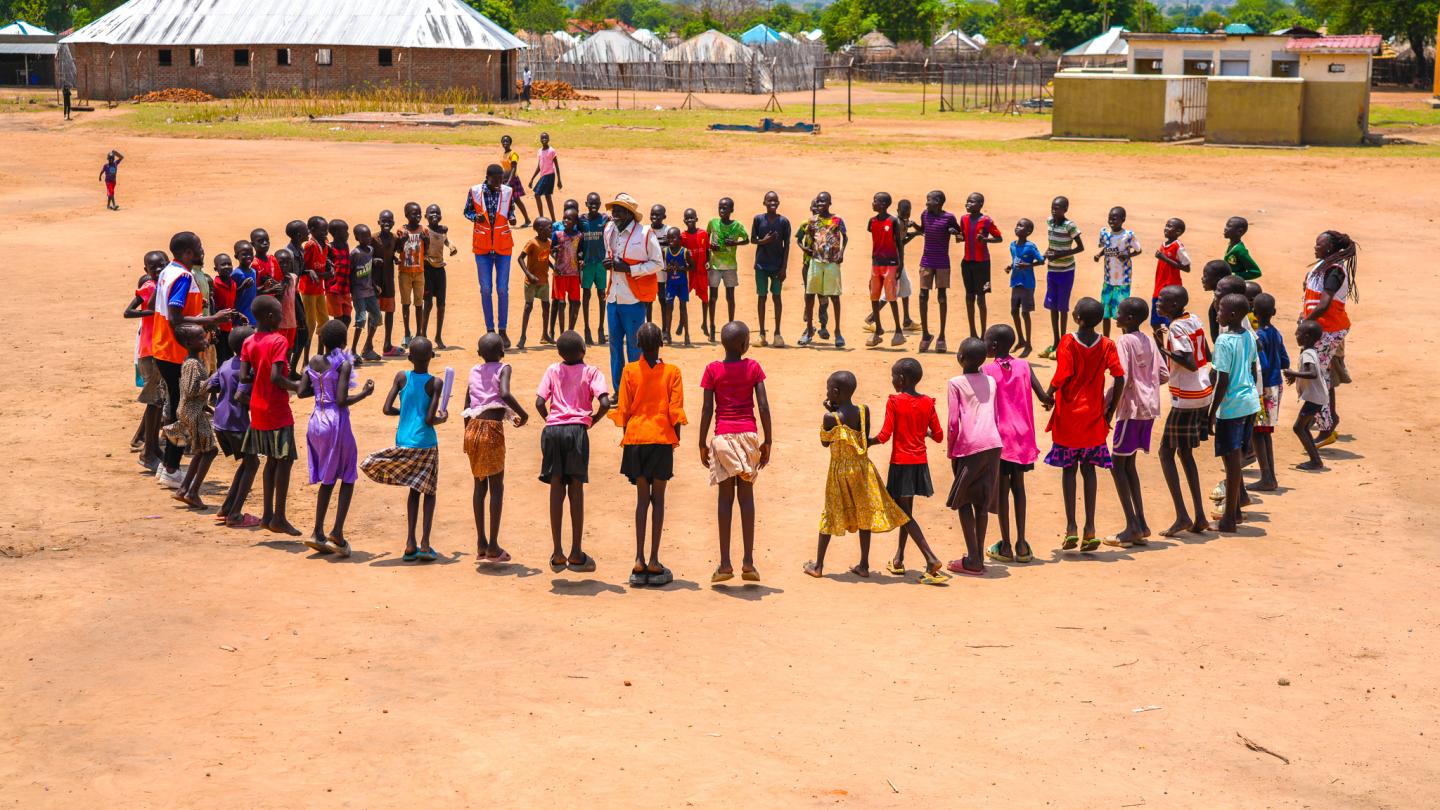
Today, she sits on the other side of the same conversations that once changed her life, helping guide them, not control them. Supporting parents as they discover their own strength, just as she did.
“I want to serve vulnerable families,” she says. “What I learned, I want to pass on. Because it works.”
Across Pagirinya, stories like hers are becoming more visible. Not dramatic overnight transformations, but quiet, steady changes in how parents speak to children, how families handle stress, and how communities support one another.
The LIFT Programme is not just teaching parenting. It is rebuilding confidence in people who have carried too much for too long.
By: Patrick Akuku, LIFT Project Manager