
Meet the teenage girls who built a network to fight child marriage in Senegal

She narrowly escaped child marriage. Now, she’s helping hundreds of others do the same.
Eighteen-year-old Mariame lives in Kaffrine region of southern Senegal, and has always loved school. But one afternoon, when she was just 10 years old, she came home to find her parents waiting with a 45-year-old man. They told her he was the man she would marry.
Mariame is from the Fulani ethnic group in Senegal, a traditionally pastoralist community where early marriage -- typically between ages of 10 and 15 -- remains a longstanding cultural practice. . Her parents explained that the marriage had been arranged at her birth. A small band was placed around her arm to signify the agreement. These bands, Mariame explains, once symbolised tradition and honour, a source of pride for the family. But at age 10, all she could think was: why would a grown man want to marry a child?
A wave of cultural expectation like that is hard for any girl to push against. But Mariame had a few rare advantages. The first was her close relationship with her father, which was not typical of most girls her age. Most Fulani men spend their days farming and raising animals, away from the home. But when Mariame’s father got a leg injury and became disabled, he took up animal breeding and spent more time at home. As a result, Mariame and her father developed a bond, one that she valued deeply, and so did he.
Mariame also had the chance to be sponsored. Through sponsorship, she learned the value of education and developed skills and confidence. She joined a children’s club, where she learned about her rights and how to advocate for them… even within her own family.
Once the shock subsided, Mariame made a decision. She would not let tradition upend her future. She began negotiating with her father, pleading with him to delay the marriage.
It was a long road. When something has been done the same way for generations, changing it takes more than just courage. It takes time. For four years, Mariame held off the marriage by asking to stay in school just a little bit longer. She worked with World Vision staff, who helped her navigate difficult conversations at home. She poured herself into school, determined to show her parents what she was capable of. But despite her efforts, the fear remained, what if none of it worked? And as she got closer to the age of 15, the expected age to marry, she knew a decision would have to be made.
At first, news of Mariame’s resistance sparked disbelief, even disapproval. No one she knew had tried to defy this tradition. But slowly, something began to shift. Younger girls came to her with questions. Some even joined her. They started meeting under a tree at school, sharing ideas and imagining different futures.
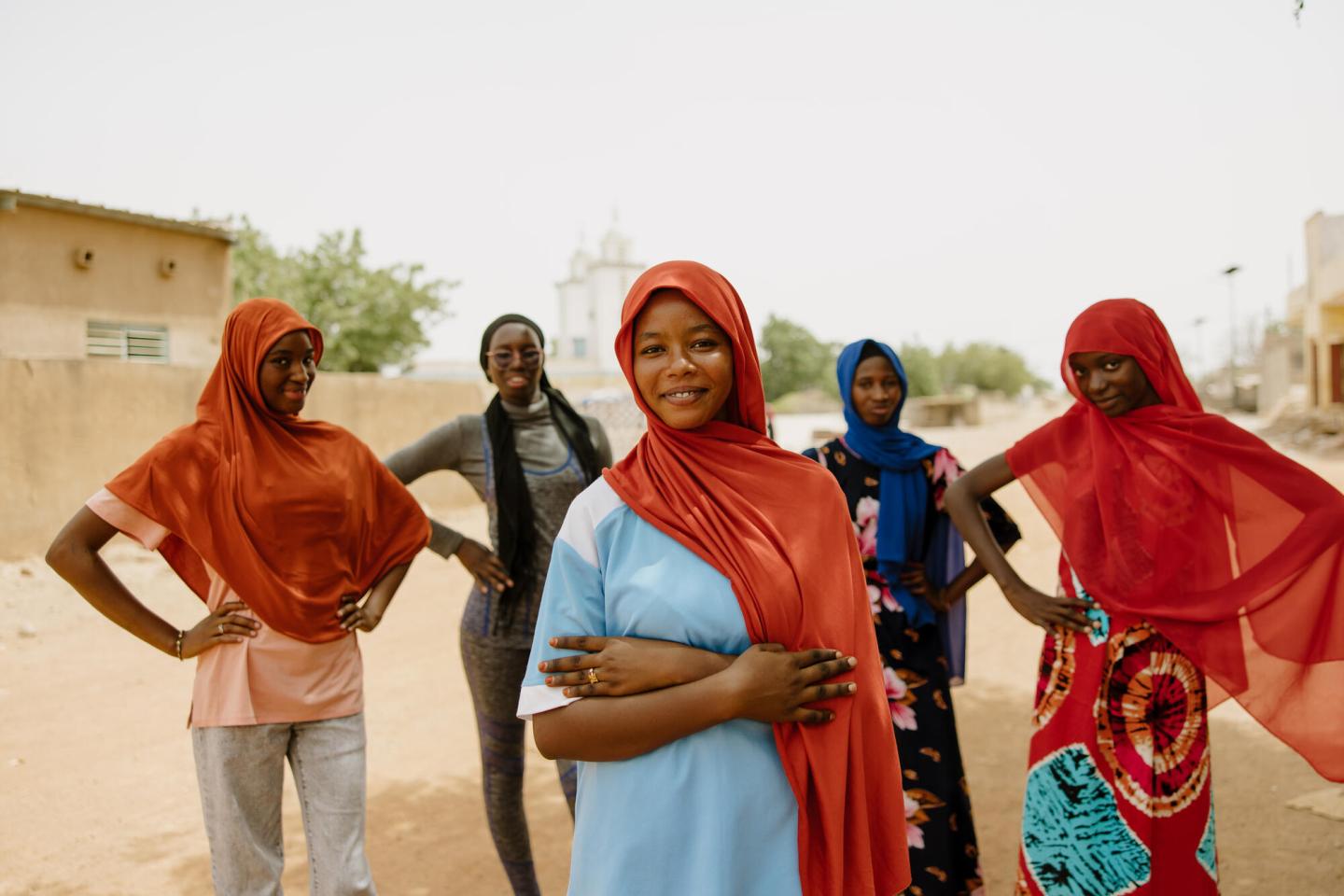
Throughout this time, Mariame’s would-be husband lingered in the background. But instead of retreating, Mariame grew louder. She began building a network of girls across nearby villages – a collective of eyes and ears on the ground to spot signs of early marriage. Connected through a private WhatsApp group, the girls created a safe, supportive space where they could speak freely and protect one another. As their network grew, so did the trust of other girls who, for the first time, felt they had someone on their side. When rumours of a child marriage surfaced they mobilised. Travelling to the community in question, they drew on everything they had learned through World Vision to intervene. When needed, they called on local authorities too. Although Senegal has passed a law prohibiting marriage under 18, enforcement remains weak in many rural areas where cultural norms carry more weight than legislation. That’s where groups like Mariame’s play a vital role in bridging the gap between law and lived reality.
As the ripples spread, Mariame’s proposer started to back off. Sensing the moment, she spoke to her parents again. This time, without the external pressure of the man’s family, told them how well she was doing in school, and that if she could continue, she might become a lawyer. Her success, she argued, would bring honour and prosperity to the family. At 14, four years after she was first told to get married, her parents agreed. If she remained at the top of her class and avoided scandal – in other words, no trouble and no dating – she could stay in school and wouldn’t be forced to marry. Mariame agreed.
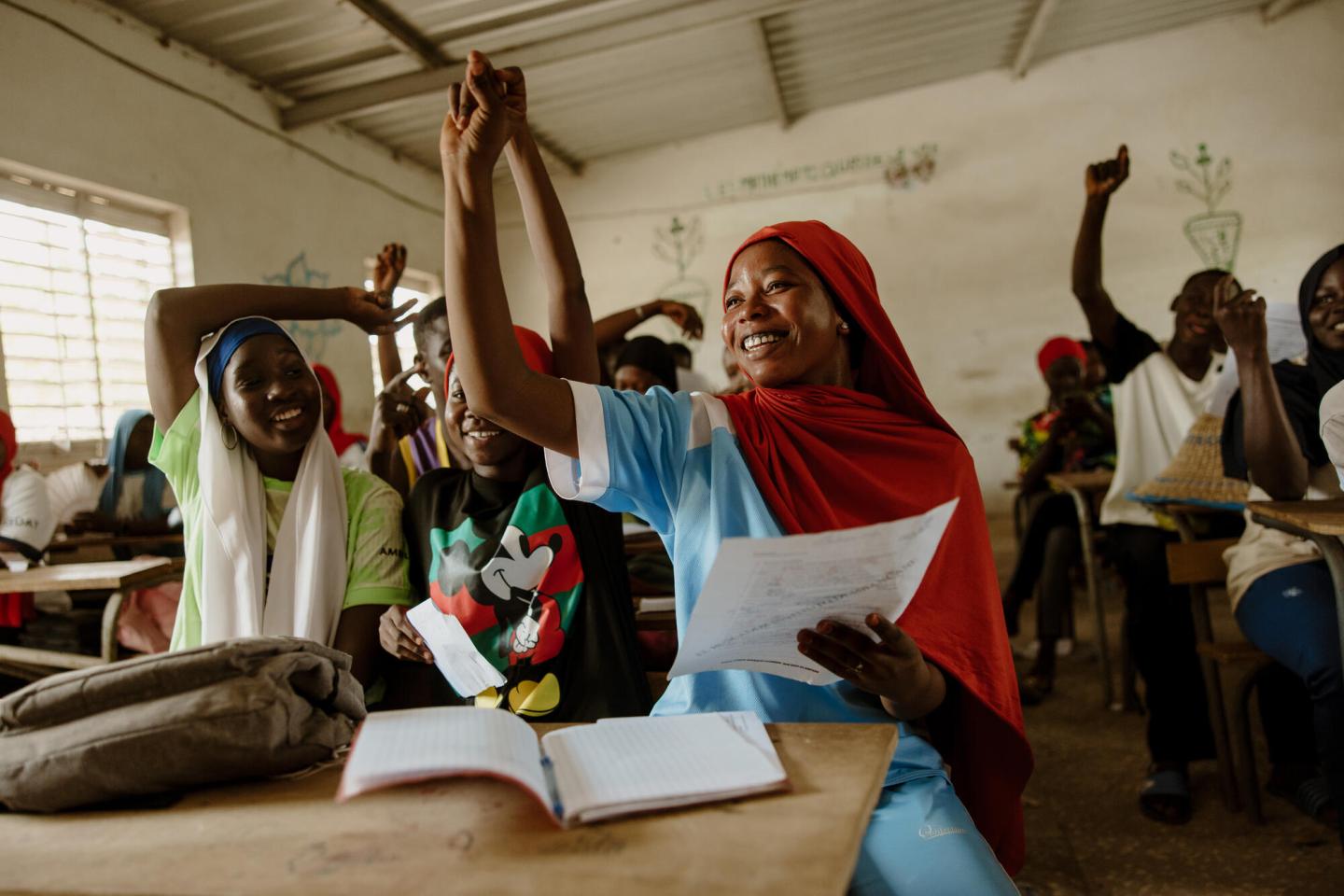
It was a huge win. Not just for Mariame, but for her four younger sisters too. As the eldest daughter, she had set a new precedent.
Today, Mariame leads a growing network of 25 girls across multiple villages, with four living in her own. Together, they have stopped more than a dozen child marriages, and prevented countless others through their advocacy and awareness-building activities. On one hand, Mariame and her friends are just like any other group of teenage girls – inseparable, on their phones and full of laughter – but on the other, they are so fierce and so dedicated. They have each other’s backs and know exactly what they’re up against: centuries of tradition and the deeply ingrained belief that girls can’t or shouldn’t lead. Every day, they prove that wrong.
One of their most powerful tools is a travelling theatre performance about child marriage. They perform it in different communities to raise awareness and spark dialogue.
Legally, Senegal now prohibits marriage under 18. But cultural beliefs are often stronger than law, so child marriages continue, just in secret. The trust Mariame and her network have earned means those secrets don’t last long. And now, with the law on their side, they have more power to act.
Mariame still dreams of becoming a lawyer. But not just any lawyer, one who helps girls and women in rural communities access the legal support they need to build futures free from fear.