publication / August 14, 2026
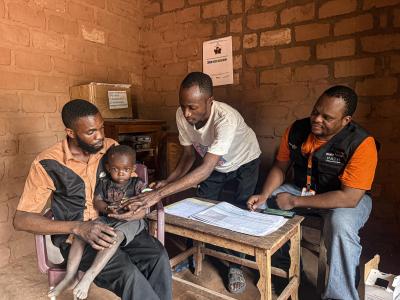
Needs Assessment: Integrated Education, Psychosocial Support and Child Protection for Children in Ukraine
World Vision’s needs assessment examines Education in Emergencies across 5 Ukrainian oblasts, focusing on safe access, learning, and child protection amid conflict.
article / August 19, 2026
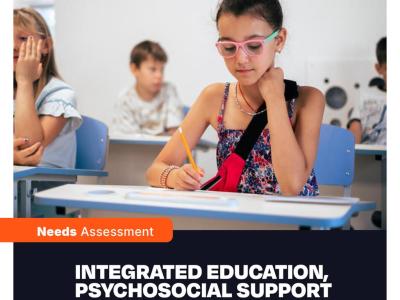
Unlocking Africa’s Water Future: Why Blended WASH Financing is the Key to SDG 6
Bridging the massive WASH funding gap across the continent requires moving beyond traditional grant models toward scalable, blended financial mechanisms.
press release / July 20, 2026
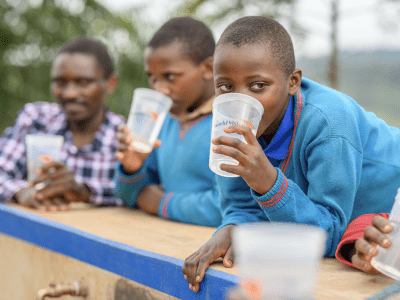
Fifteen Years On: Somalia Cannot Afford Another Famine
Fifteen years after famine was declared in Somalia in 2011, a crisis that claimed hundreds of thousands of lives, World Vision is warning that the country stands on the edge of another severe hunger emergency. Persistent drought, compounded by a sharp decline in humanitarian funding, threatens to unravel years of progress made in strengthening food security and community resilience across the country.
video / July 20, 2026
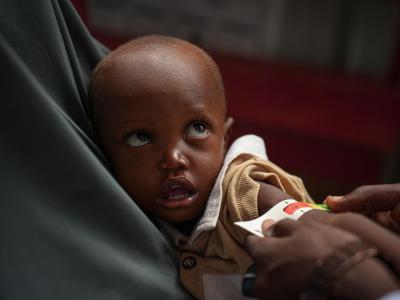
Somalia faces another famine- fifteen years later
Fifteen years after famine was declared in Somalia in 2011, a crisis that claimed hundreds of thousands of lives, World Vision is warning that the
country stands on the edge of another severe hunger emergency.

publication / July 21, 2026
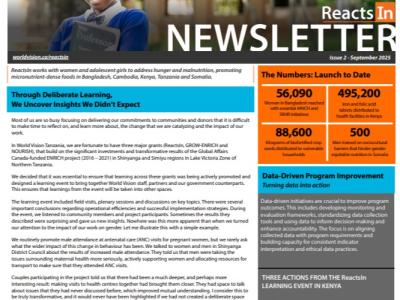
ReactsIn Newsletter Issue 2 Sept 2025
Explore the September 2025 ReactsIn newsletter featuring nutrition, gender equality, adaptive learning, and programme updates across five countries.
publication / August 13, 2026
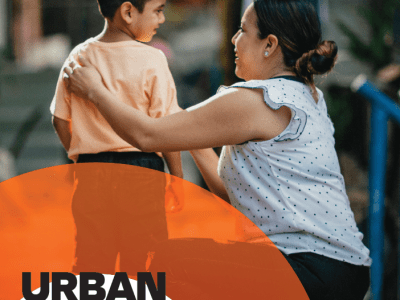
Urban WASH guidance
A practical guide for designing, strengthening, and evaluating urban WASH programmes through systems-focused, partnership-driven approaches.
publication / July 21, 2026
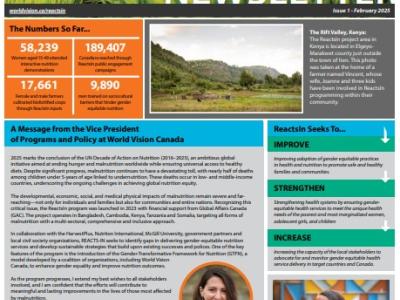
ReactsIn Newsletter Issue 1 Feb 2025
Explore the February 2025 ReactsIn newsletter featuring nutrition results, gender-equitable programming, Kenya field visits, and project expansion.
article / August 18, 2026
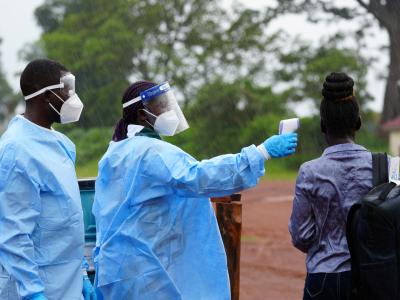
On the Real Frontline: Protecting Health Workers and Preventing the Spread of Ebola
World Vision stands in solidarity with the humanitarian community and calls for the protection of humanitarian workers, safe and unhindered humanitarian access, and respect for the humanitarian principles that allow frontline workers to reach every community in need.
article / August 11, 2026
A Tablet for Two: A Start for the Unborn Child
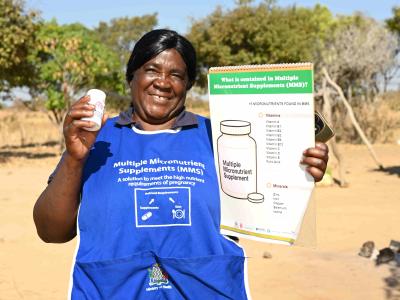
In Andileki Village, Nyawa, Baster reminds his wife Florence, seven months pregnant, to take her Multiple Micronutrient Supplement (MMS) tablet each day. When neighbours mistake the tablet for antiretroviral medicine, he corrects them. His reason is the child Florence is carrying.
article / August 19, 2026
When Distance No Longer Kills: Kizela 2 Community Health Care Site Restores Hope For Families
The article highlights the transformation experienced by families in Kizela 2, who previously faced long distances and high costs to access healthcare. It shows how the community care site now enables rapid, free and accessible treatment for children, while facilitating vaccination, early detection and referral of cases requiring further care. Beyond the figures, Mayelu’s testimony illustrates how the intervention is giving parents greater peace of mind and hope, while helping to reduce the risks associated with delays in receiving essential healthcare.