
A Tablet for Two: A Start for the Unborn Child

By Justin Njovu, Communications Specialist, Zambia.
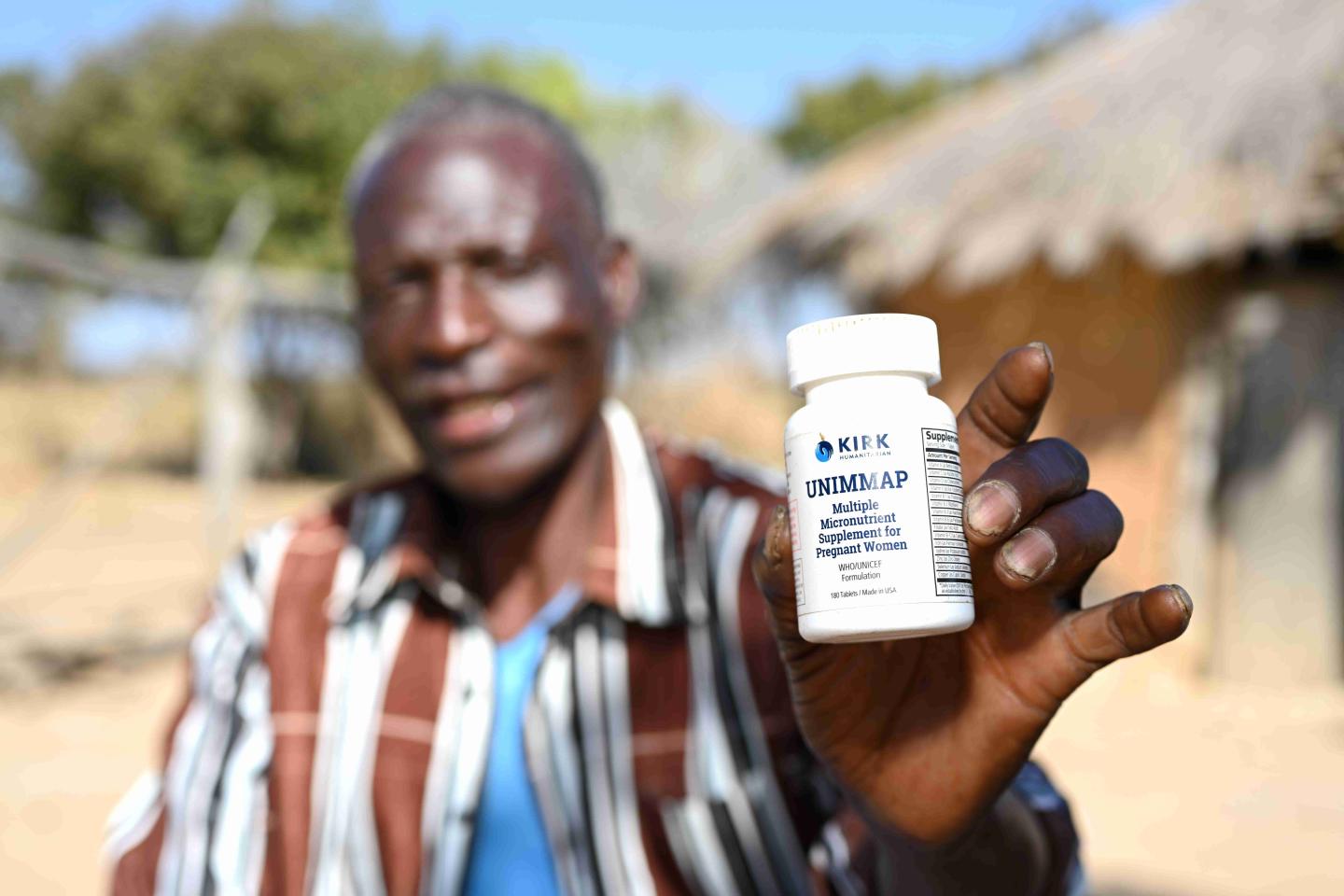
In Andileki Village, Nyawa, Baster reminds his wife Florence, seven months pregnant, to take her Multiple Micronutrient Supplement (MMS) tablet each day. When neighbours mistake the tablet for antiretroviral medicine, he corrects them. His reason is the child Florence is carrying.
"I support her with the uptake of MMS, because I know it is important for her and our unborn child," Baster says.
Anaemia among women of reproductive age in Zambia has not fallen in over two decades of Demographic and Health Surveys. The 2018 survey put national prevalence at 31%, rising to 38% in Western Province and 36% in Lusaka Province. Left unaddressed in pregnancy, anaemia raises the risk of low birth weight and poor early development, the outcomes this project sets out to change.
The government's iron and folic acid (IFA) tablets, given during antenatal care, cover two nutrients. Formative research by World Vision found two barriers to uptake: unreliable stock and transport at health posts, which World Vision referred to the Ministry of Health and partners as recommendations; and misunderstanding within communities, some of which discouraged women from taking the tablets at all.
MMS, delivering 15 nutrients, is being tested under World Health Organisation guidance as a possible replacement for IFA, evaluated through rigorous research on health impact and delivery, ahead of any national rollout. The Zambia Multiple Micronutrient Project, led by World Vision Zambia in Southern, Northern and Lusaka Provinces, now reaches more than 130,000 pregnant mothers.
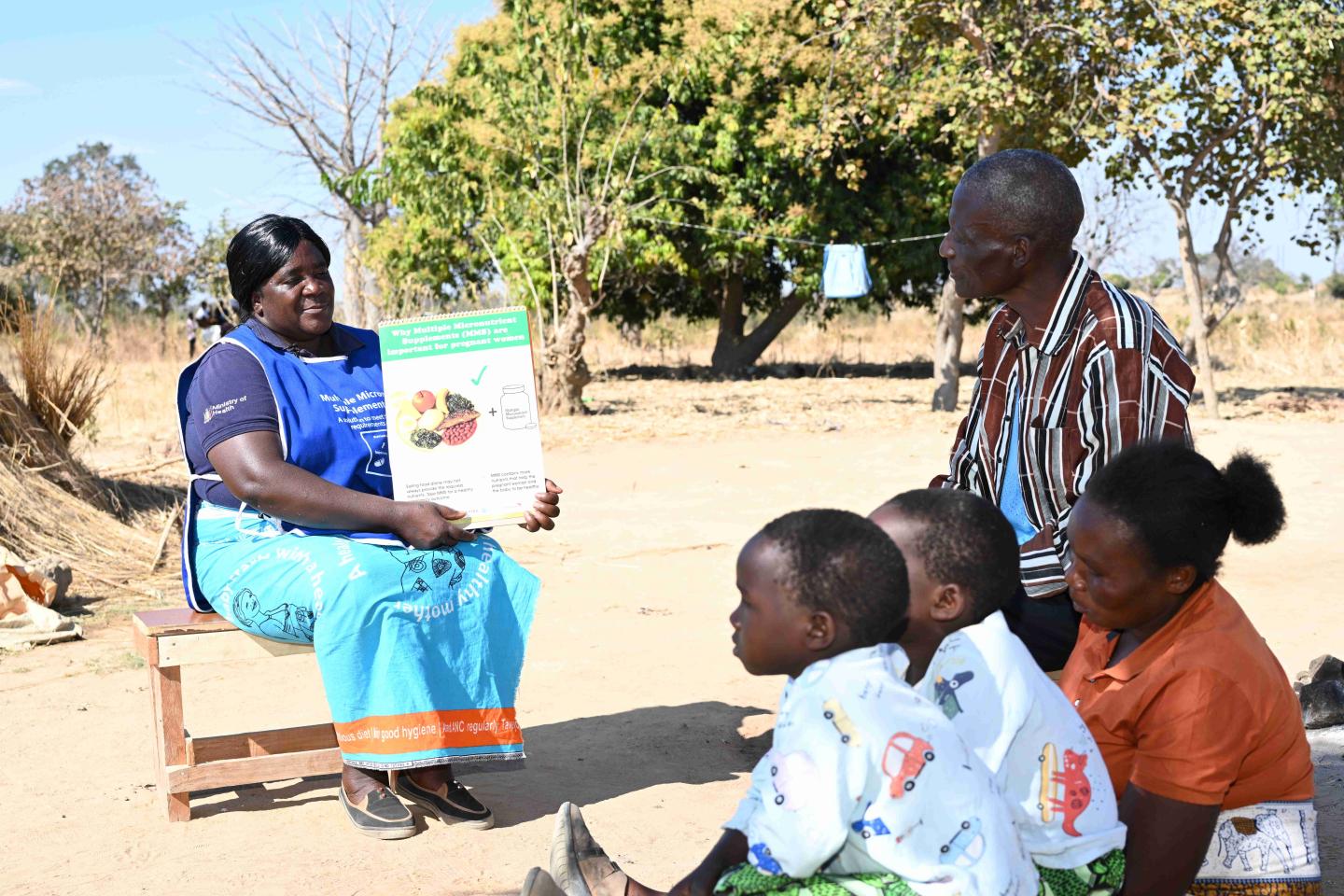
Community-based volunteers such as Febby Sianchenga, based at Busanaga Rural Health Post, visit mothers on a set schedule, count remaining tablets against days elapsed, ask about missed doses, and refer side effects or stock problems back to the health facility.
"She informed us about the fifteen important supplements," Baster says of Febby's visits.
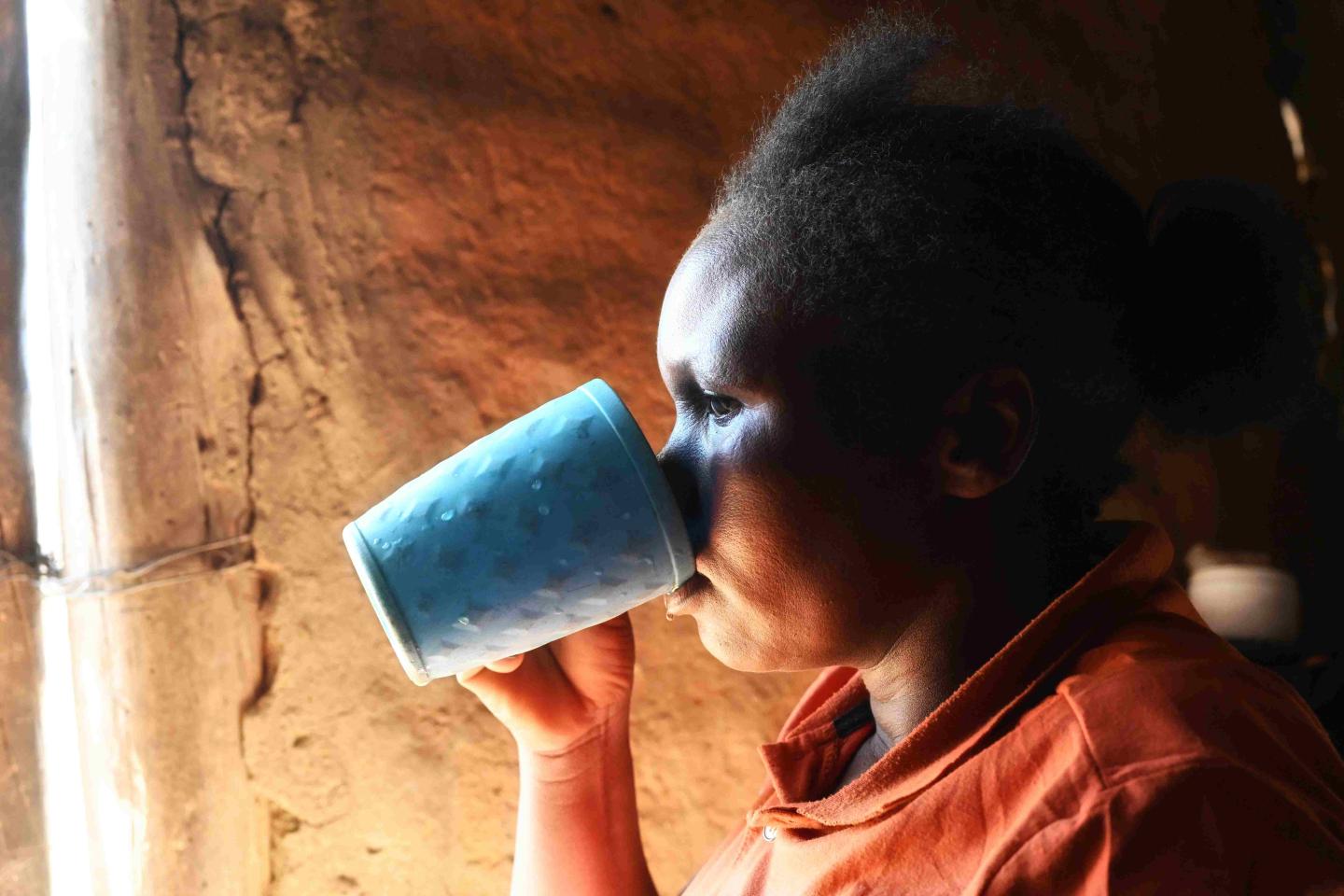
Florence found the early weeks hard. "It was difficult to take, but my husband was helping me," she says. Febby explained that the supplement's effect on appetite supports a fuller diet in pregnancy, linked to better birth weight for the baby.
Ministry of Health Chief Nutrition Officer Agness Aongola visited project sites and reports early observations of positive birth outcomes among mothers on MMS. Her office awaits the project's final report, due November 2026, which will guide the national decision on scaling MMS to all ten provinces.
For Baster, the work is close to home: talking other men in Nyawa out of the same confusion he once corrected in his own household, so their children start life with a better chance too. Sustaining and extending this reach beyond the current implementation period depends on further donor support ahead of the November 2026 decision.