
Transforming rural communities in South Sudan: Clean water is coming closer to home

As boreholes are currently being drilled closer to homes in Akoc Payam, Twic in Warrap State, a long-awaited change is beginning to take shape. While the work is still ongoing, families are already looking ahead to a future in which clean, safe water will no longer require hours of walking.
For years, life in Akoc Payam was defined by the relentless search for water. Achol Deng, a 38-year-old mother of seven, recalls waking before sunrise to begin the long journey to a distant stream. Alongside other women, she would walk for hours, carrying heavy containers, only to collect muddy, unsafe water.
“We used to drink from the stream. Our children would get sick because the water was not safe,” Achol shares.
Diarrhea, stomach pains, and fevers were common among children. What should have sustained life instead exposed families to constant illness and constant worry. The lack of accessible safe water did not just affect health—it consumed time, drained energy, and limited opportunities for families, especially women.
The nearest borehole was over an hour away. Reaching it meant sacrificing valuable time that could have been spent farming, earning an income, or caring for children. For Achol, with seven children to raise, the burden was overwhelming, with no assurance that the water she brought home would keep her family healthy.
Access to clean water is not a luxury—it is essential for survival, health, and dignity. Without it, communities remain trapped in cycles of disease and poverty. With it, families can begin to thrive.
Through support from the Enhancing Community Resilience and Local Governance Project (ECRP II)—a government-led initiative implemented by the Ministry of Finance and Planning and the Local Government Board, in partnership with World Vision and funded by the World Bank—this reality is beginning to change in Akoc Payam.
Although the boreholes are still being drilled, their impact is already being felt through renewed hope and anticipation.
For Achol, the promise of nearby clean water is life-changing.
“We shall not drink from the stream since we shall have a borehole near us. We thank the ECRP II for bringing clean water to us,” she says with relief.
Soon, her children will be able to grow up healthier, free from the constant threat of waterborne diseases. The hours once spent walking long distances will be redirected toward farming, small businesses, and family life. Women will regain time, children will gain health, and communities will gain opportunity.
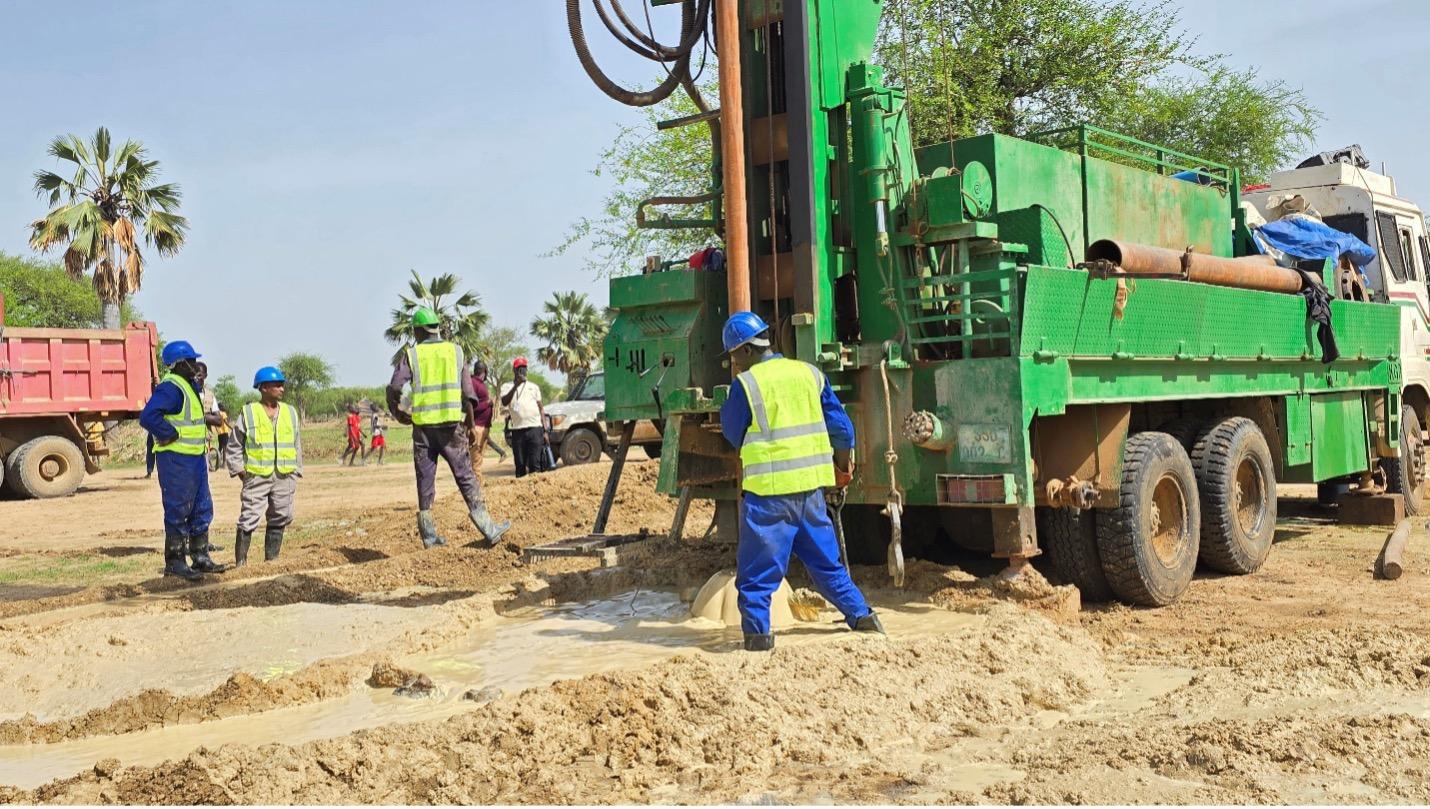
The boreholes will be more than a source of water—they will become a foundation for resilience, dignity, and progress. They represent a future where families are no longer defined by scarcity, but by possibility.
For Achol and her community, accessible clean water is not just about survival—it is about a safer, stronger, and more hopeful tomorrow
Story and photos by Stella Inyaa/World Vision South Sudan - ECRPII