
How Celebrating Families Changed One Man — and His Household

By Ronald Magweta (Communications Officer)
For years, the Matsveta household in Buhera District was a place of fear rather than comfort.
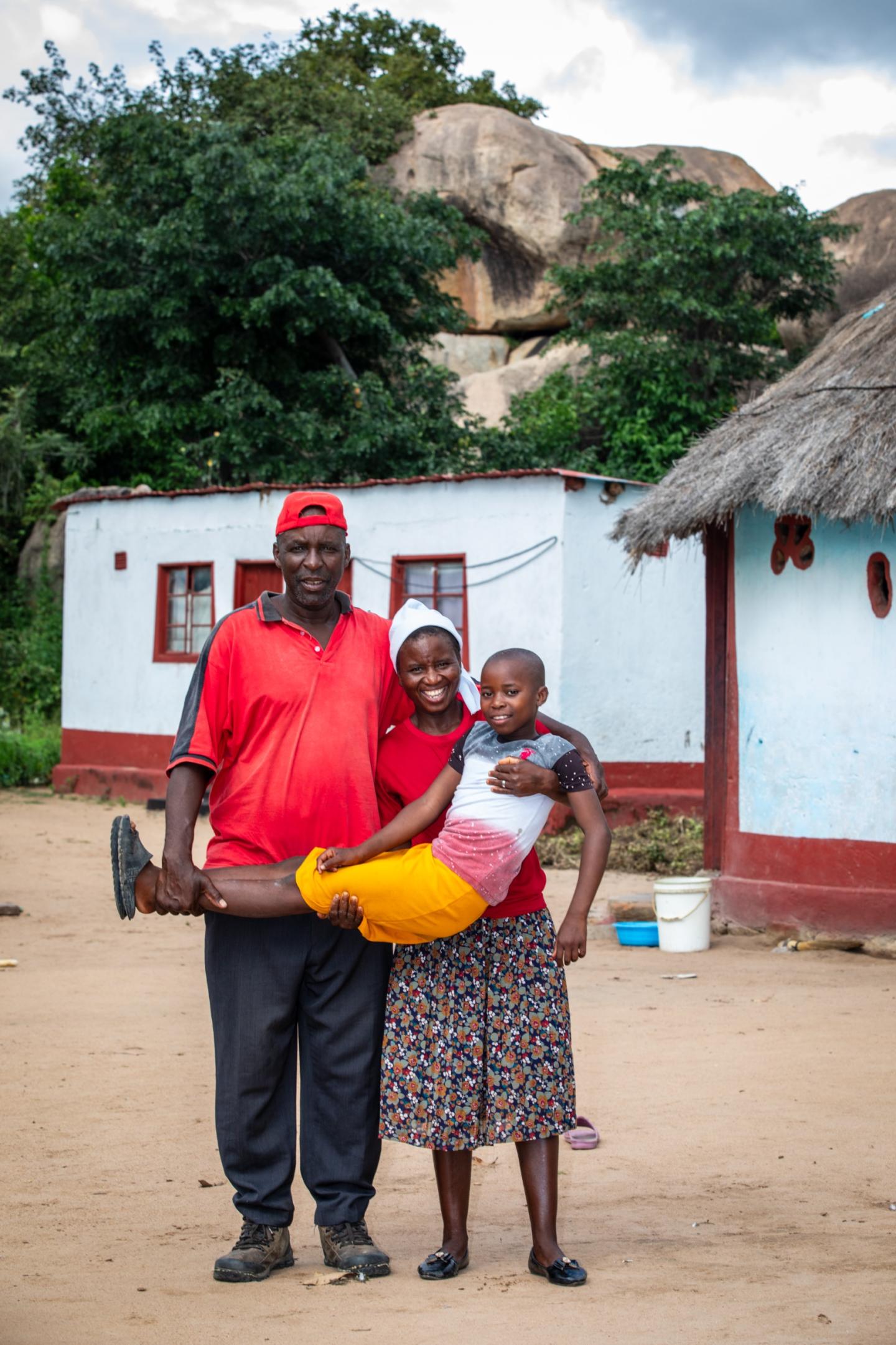
Musande (56) lives with his three wives — Esther (49), Ngoni (39) and Nester (37) — and their children, a family of 21. Behind closed doors, relationships were strained and marked by emotional and physical abuse.
“Life wasn’t easy,” recalls Ngoni.
“Our husband was abusive, both emotionally and physically, and it cascaded down to our children. Sometimes he would beat us in front of them. We would also insult him in front of the children, and this was not okay.”
Musande was often absent, leaving home early and returning late. When he was present, the atmosphere shifted.
“We used to fear our husband,” says Nester.
“The children would be happy when he was not around. When he came back, they would go straight to sleep.”
Fourteen-year-old Jesca remembers those days vividly.
“Our father used to beat us and insult us using very bad language. We were afraid of him. We could not talk to him.”
Education suffered. Some of the children did not progress beyond Grade Five, and others were regularly sent home for non-payment of school fees.
“He did not care about sending the children to school,” says Ngoni. “We were not working together as a family, and we were not doing any projects for survival.”
Everything began to change when Ngoni and the other wives heard about a Celebrating Families workshop facilitated by World Vision. The programme required family participation.
“We went without our husband at first,” Ngoni explains. “Later, we convinced him to come and he finally agreed.”
Celebrating Families is designed to strengthen relationships within the home, promote positive parenting, reduce violence and build stable, nurturing family environments for children. For Musande, the sessions became a turning point.
“I did not live well with my family,” he admits.
“I did not go to church, send my children to school, or do any projects for the wellbeing of my family. People used to fear me in this village, and they felt sorry for my wives.”
As he continued attending the training, attitudes and behaviours began to shift. Communication improved. Violence stopped. Responsibility increased. Today, Musande is not only a participant — he has become a trainer who facilitates Celebrating Families workshops in his area.
“When he started going for Celebrating Families training, he became a changed man,” says Ngoni. “Now he is even a trainer.”
The transformation has been visible not only within the household but across the community.
“When I started going to church, people followed to see if I was really going,” Musande says.
“Seeing me change gave hope to everyone. People are starting to change for the good also.”
Nester adds that the family dynamic has shifted completely.
“Our husband is now even an elder at church. We are now being respected. Our children now laugh with their father. We now go to church as a family and he leads prayers in the evening at home as well as at church.”
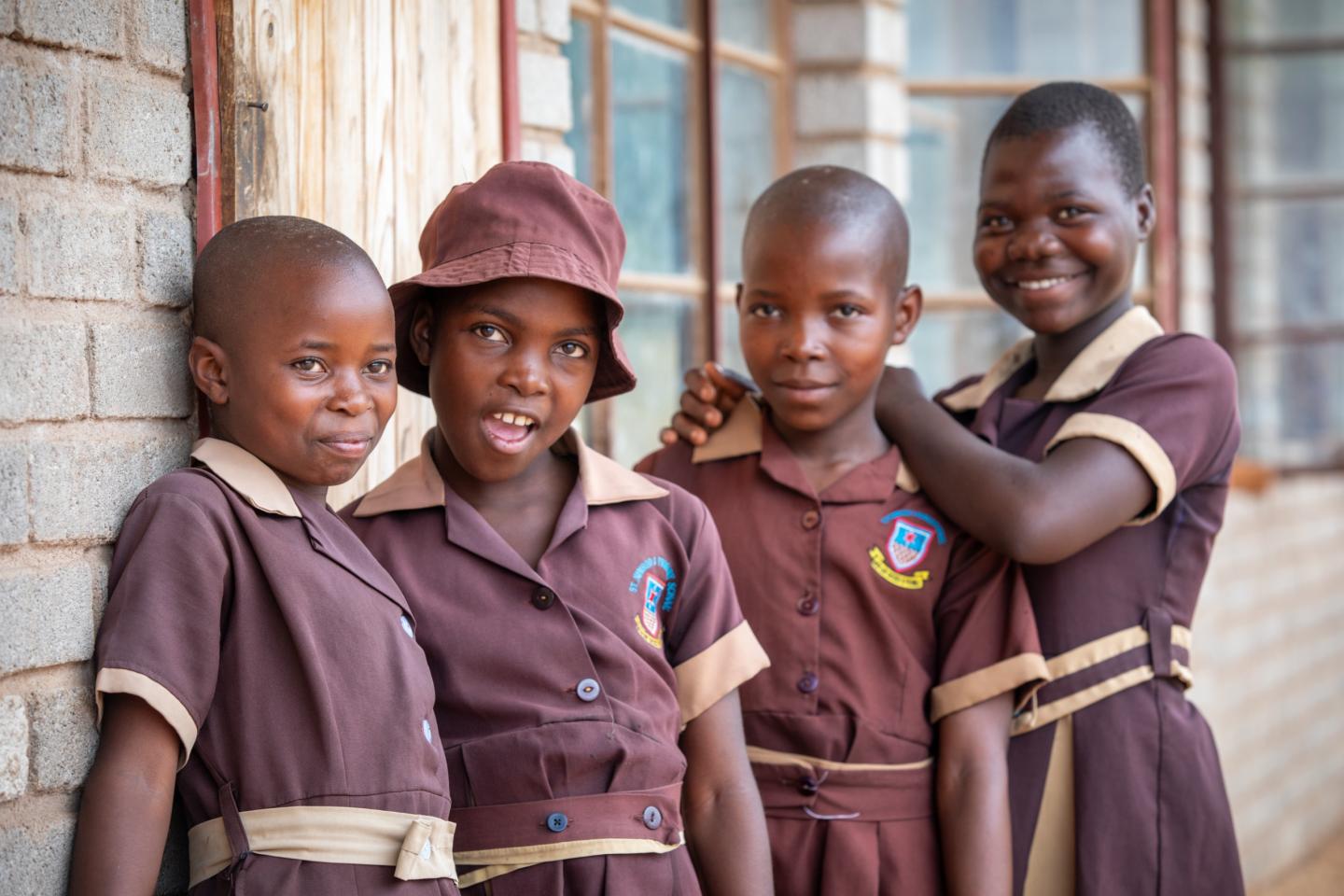
The practical impact has also been significant. The family now works together to sustain itself, growing tomatoes, vegetables and other crops for sale. Unlike before, the children are now consistently attending school.
“Unlike before, our children now go to school like everyone else,” says Ngoni. “We are growing crops for survival, something we did not do in the past.”
For Jesca, the change feels deeply personal.
“After World Vision, things started to change in our lives at home. Now we even eat meat here at home, something we rarely did back in the days. We are free to talk with our father. We now have regular conversations with him. Before, we feared him. He was not approachable.”
Her voice softens as she adds, “I want to thank World Vision for what they did to my father and the whole family.”
The story of the Matsveta family illustrates the power of the Celebrating Families model: when harmful behaviours are confronted, when men are engaged, and when families are given tools to rebuild trust, homes can move from fear to stability.