
article / August 24, 2026
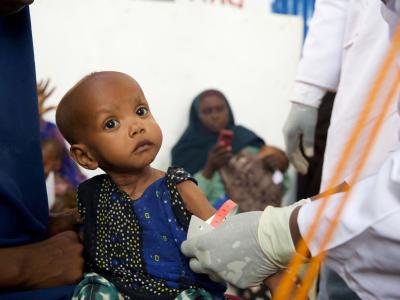
“I Dont Want My Children to Die of Hunger”: One Family's Fight Against a Famine Somalia Has Seen Before
As funding dwindles, needs are outpacing resources in Somalia. Some locations are already showing famine conditions as humanitarian organisations scale down or close operations.
article / August 27, 2026
World Vision Ghana Calls for Enhanced Border Preparedness as Humanitarian Pressures Rise in West Africa
World Vision Ghana is urging stronger border surveillance and humanitarian preparedness as insecurity and climate shocks in Burkina Faso increase displacement pressures across West Africa, threatening vulnerable communities along Ghana's northern frontier.

article / September 2, 2026
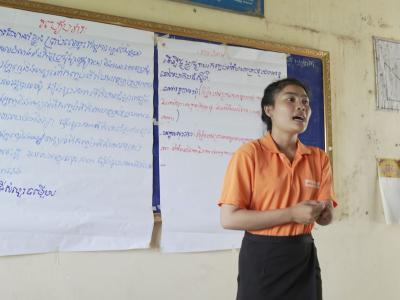
Forging an Inclusive and Gender Equitable Climate Action: Amplifying the Leadership of Girls and Women with Disabilities
Persons with disabilities make up the world’s largest minority—80% live in low- and middle-income countries. In Asia Pacific alone, nearly 108 million children with disabilities face mounting climate risks, for instance, more treacherous typhoons, floods and heatwaves.
press release / September 3, 2026
World Vision Lesotho, Government, U.S. Embassy and Health Partners Come Together to Strengthen Faith and Community Health Services in Lesotho
World Vision Lesotho, Government, U.S. Embassy and health partners come together to co-create a roadmap to strengthen faith and community health services in Lesotho.
press release / August 26, 2026
Flash flood devastates Rasuwa and Nuwakot, leaving 162 dead and over 400 missing; World Vision International Nepal readying humanitarian response
Copilot said:
Flash floods in Rasuwa and Nuwakot have caused widespread devastation, leaving 95 dead and nearly 400 missing. WVI Nepal is preparing emergency food and shelter assistance for affected families.
press release / September 2, 2026
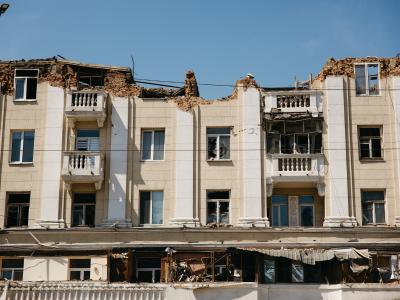
Two in Three Ukrainian Children Missing School Say Shelling Is the Reason
Two in three Ukrainian children miss school because of shelling or fighting, according to a needs assessment by World Vision.
press release / September 3, 2026
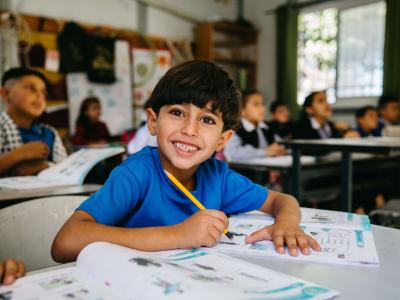
New EU-Funded Project to Restore Safe, Inclusive Education for Over 22,000 Conflict-Affected Children in the West Bank
World Vision, in partnership with the Teacher Creativity Center (TCC) and the Palestinian Ministry of Education, today announced the launch of a new EU-funded two-year project to safeguard access to safe, inclusive and dignified education for the most vulnerable conflict-affected children across the West Bank.
press release / August 25, 2026
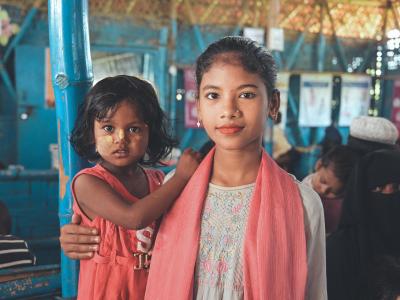
Nine Years of Struggle: Rohingya Children Caught Between Climate Disasters and Plunging Aid
Nine years into protracted displacement, escalating climate disasters and a 24% aid cut threaten 1.2 million Rohingya refugees, prompting World Vision to call for global responsibility-sharing and durable, nexus-driven solutions for children and host communities.
press release / September 2, 2026
‘I left everything behind’: Nepal flash flood, children face trauma, displacement and uncertainty and growing protection risks
As the humanitarian crisis deepens, with more than 1,000 confirmed fatalities and thousands still missing, strengthened child protection measures are urgently needed to support displaced children and their families.