article / September 2, 2026
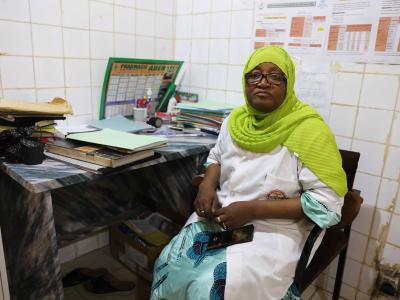
Forging an Inclusive and Gender Equitable Climate Action: Amplifying the Leadership of Girls and Women with Disabilities
Persons with disabilities make up the world’s largest minority—80% live in low- and middle-income countries. In Asia Pacific alone, nearly 108 million children with disabilities face mounting climate risks, for instance, more treacherous typhoons, floods and heatwaves.
publication / June 25, 2026
ENOUGH 2025: Driving Progress to End Child Hunger and Malnutrition
ENOUGH 2025, presents key developments in policy, programmes and partnerships three years into the campaign
article / August 6, 2026
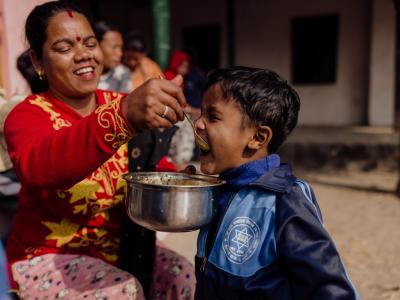
Une salle qui redonne souffle au service de pédiatrie du Centre Hospitalier Régional de Tahoua
Chaque année, entre juillet et décembre, le service de pédiatrie du Centre Hospitalier Régional de Tahoua faisait face à une forte affluence liée au paludisme, entraînant une surcharge des lits, des conditions d’hospitalisation difficiles et un personnel médical sous pression. Selon le Dr Sabo Sahabi, il était impossible de refuser les patients malgré le manque d’espace, ce qui compliquait les soins et dégradait les conditions d’hygiène. Sensibilisé à cette situation lors d’une visite en 2021, le staff féminin de World Vision International Niger a décidé de financer la construction d’une nouvelle salle d’hospitalisation. Les travaux, achevés en 2023 et réceptionnés en 2024, ont permis d’offrir un espace équipé de 12 lits, de ventilateurs, de mobilier médical et d’un système de climatisation. Inaugurée à l’occasion de la Journée Nationale de la Femme Nigérienne, cette salle est aujourd’hui essentielle pendant les pics de paludisme. Elle améliore la qualité des soins, désengorge le service et offre un environnement plus digne aux enfants, à leurs familles et au personnel soignant.
article / August 6, 2026
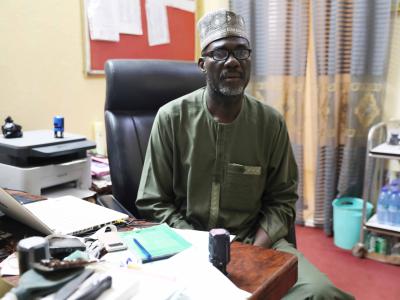
Deuxième bloc opératoire du Centre Mère-Enfant de Dosso : un don qui sauve des vies
À l'occasion de la Journée Nationale de la Femme Nigérienne, le personnel féminin de World Vision Niger a offert un important lot d'équipements médicaux au Centre Mère-Enfant de Dosso afin de rendre opérationnel un deuxième bloc opératoire. Selon le Dr Bacharou Adamou Mamane Sani, chef du service post-opératoire, le centre ne disposait auparavant que d'un seul bloc opératoire malgré un nombre élevé d'urgences obstétricales et gynécologiques.
Le don comprend notamment une table opératoire, des scialytiques, des lampes chauffantes, des boîtes de césarienne, des boîtes d'intervention gynécologique, un concentrateur d'oxygène et d'autres équipements essentiels. Grâce à ces matériels, le centre peut désormais faire fonctionner deux blocs opératoires et prendre en charge plus de 15 patientes par jour, réduisant considérablement les délais d'intervention.
Le Dr Bacharou souligne que ces équipements ont amélioré la qualité des soins, renforcé les capacités du personnel soignant et contribué à réduire la mortalité maternelle et néonatale. Il exprime sa profonde gratitude à World Vision Niger pour ce soutien déterminant qui continue de sauver des vies.
article / December 3, 2020
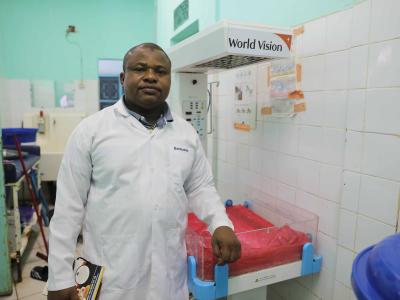
UNICEF Regional Director for West and Central Africa makes an official visit to Assaba with World Vision
The one-year Project for Strengthening the Resilience of the Communities Most Vulnerable to Malnutrition and Food Insecurity is implemented in six Mauritanian Communes of the Moughataa of Kiffa in the Wilaya of Assaba. This visit allowed Ms. Marie Pierre Poirier to exchange with project beneficiaries, as well as with administrative authorities and the technical team in charge of implementation and monitoring.
article / April 8, 2021
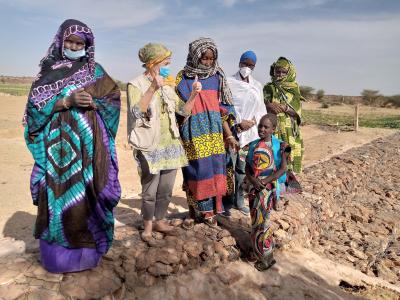
De la chaleur de Cambessa à la verdure de Baboulaye: Le destin d’une récidive à l’émigration clandestine
« Je m’appelle Babacar NDONGU, 45 ans. J’habite à Dioffior dans le quartier de Ndouk, et je suis père de six enfants (moins de 12 ans). J’ai fait quatre tentatives à l’émigration clandestine entre 2017 et 2020.
video / June 17, 2020
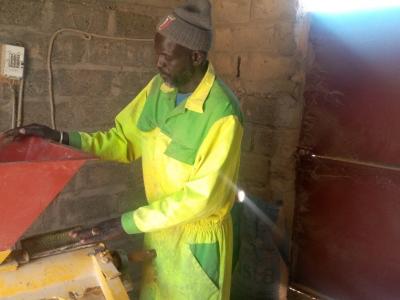
Formation des leaders religieux dans la région de Kolda pour combattre la COVID-19
World Vision travaille en collaboration avec des chefs religieux pour lutter contre la COVID-19 sous son modèle de 'Canaux de l'Espoir', qui les équipent à répondre dans leurs communautés à travers ces sept étapes:
publication / August 17, 2026
Rapport Annuel FY25 | World Vision République Centrafricaine
Explorez les résultats FY25 de World Vision RCA : santé, nutrition, éducation, protection de l’enfant, WASH et action humanitaire au service des enfants les plus vulnérables
article / August 18, 2020
Clubs de lecture adaptés: Du livre à l'enfant
«La COVID-19 a fermé notre école. Cependant grâce aux bénévoles communautaires de World Vision, qui m'ont rendu visite régulièrement à la maison avec des livres, j’ai pu continuer à lire et à réviser.
article / August 6, 2026
Une salle qui redonne espoir aux enfants hospitalisés à Tahoua
À chaque saison de forte transmission du paludisme, le Centre Hospitalier Régional de Tahoua est confronté à une forte affluence de patients, notamment au service de pédiatrie. Le manque de lits obligeait parfois deux ou trois enfants à partager le même lit, compliquant la prise en charge médicale. Pour répondre à cette situation, le staff féminin de World Vision a offert une salle d’hospitalisation entièrement équipée à l’occasion de la Journée Nationale de la Femme Nigérienne. Cette nouvelle salle comprend 12 lits, deux climatiseurs, six ventilateurs et des équipements essentiels. Selon Mariama Seyni, Major du service de pédiatrie, cette réalisation a considérablement amélioré les conditions d’hospitalisation et de travail. Les patients disposent désormais de leur propre lit, l’environnement est mieux ventilé et le personnel peut assurer des soins de meilleure qualité. Pendant les périodes de pic du paludisme, cette salle permet également d’accueillir davantage de malades, offrant ainsi un soulagement durable aux familles comme aux équipes soignantes.