publication / March 4, 2026
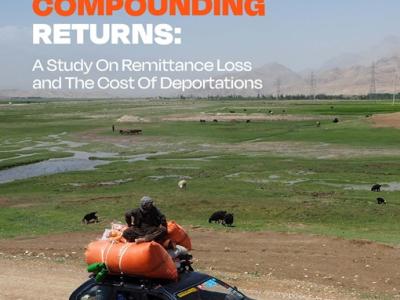
COMPOUNDING RETURNS: A Study On Remittance Loss and The Cost Of Deportations in Afghanistan
The study shows deportation is an economic and protection shock that reverberates through households and local markets. Deportation removes income earners from foreign labour markets, abruptly cutting off remittance flows. This loss of income translates into debt accumulation and asset depletion as households struggle to meet basic needs. Growing indebtedness then drives harmful coping strategies and distress practices.
publication / March 9, 2026
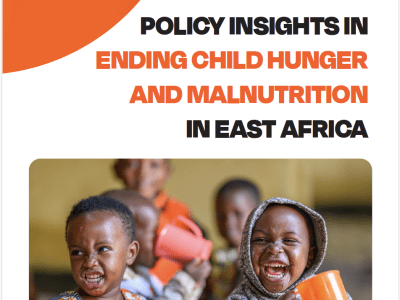
Policy Insights in Ending Child Hunger and Malnutrition
This policy brief introduces the ENOUGH Campaign in East Africa and invites you to be part of a practical response rooted in bold hope to end child hunger and malnutrition. It explains the challenge clearly, highlights what is working, and sets out actions that governments, donors, businesses, civil society, communities and friends of children can take together. The goal is simple and urgent: to make sure every child has ENOUGH of the right food to grow well, learn in school and thrive.
publication / March 12, 2026
Lebanon Response Sitrep 2026 #3
The escalation of hostilities in Lebanon is intense and rapidly expanding, resulting in nearly 820,000 forcibly displaced people - more than 200,000 of them children - in less than two weeks. Evacuation orders are expanding, with the country to the south launching the ‘South of Zahrani River’ initiative. Evacuation orders now encompass the entire region south of the Litani River, triggering waves of mass displacement as well as repeated displacement among already vulnerable families.
In several Christian-majority towns in the South, residents initially resisted leaving their homes, but were ultimately evacuated under the escort of UNIFIL for civilian protection. Hostilities are increasingly affecting areas beyond the ‘traditional’ frontline zones, a troubling trend that points to a more aggressive escalation than that of 2024. Recent airstrikes hit the neighborhoods of Haret Saida, Tyre, Aramoun, Ramlet El Bayda, areas deemed safer, in one case targeting a car nearby displaced families staying in tents. Targeting of central Beirut is new - with strikes on hotels and residential buildings that inevidably affect civilians in the surrounding areas. An estimated have been killed, with 81 children killed since March 1. UNICEF estimates that 10 children per day are killed.
Lebanon’s Ministry of Social Affairs reports 822,600 internally displaced people self-registered on the Government’s digital platform, indicating that overall displacement is significantly higher than that captured through collective shelter reporting. In addition, almost 84,000 Syrians and more than 8,000 Lebanese have crossed into Syria since 2 March.
Violations to International Humanitarian Law continue, with frontline responders at great risk. To date, 14 paramedics were killed, including one member of the Lebanese Red Cross, underscoring the growing risks faced by emergency personnel.
article / February 27, 2026
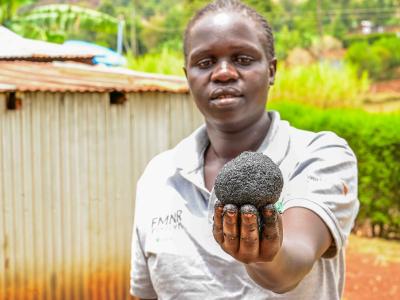
Fueling Change: How Clean Energy is Replacing Charcoal Use in Rural Kenya
In Elgeyo Marakwet County, Sophia Korir is transforming livelihoods through FMNR by producing eco-friendly briquettes from farm by-products, preserving trees while generating clean energy and sustainable income.
publication / March 4, 2026
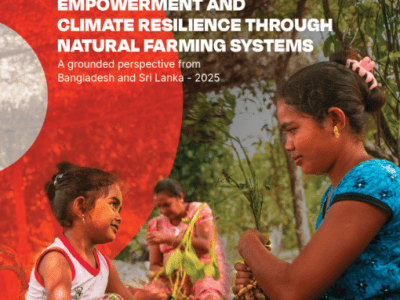
Building Gender Empowerment and Climate Resilience through Natural Farming Systems
Monash University and World Vision study reveals how natural farming drives financial independence and climate resilience for women and their communities in Bangladesh and Sri Lanka.
opinion / March 8, 2026
Becoming One: Faith in Action Against Femicide
Faith leaders in Kenya are helping prevent violence against women through a community‑led couples programme that strengthens relationships and protects families.

publication / January 9, 2026
Impact report 2024
World Vision International Lao PDR _ Impact Report 2024