press release / August 25, 2026
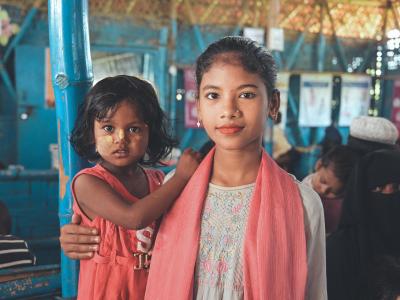
Nine Years of Struggle: Rohingya Children Caught Between Climate Disasters and Plunging Aid
Nine years into protracted displacement, escalating climate disasters and a 24% aid cut threaten 1.2 million Rohingya refugees, prompting World Vision to call for global responsibility-sharing and durable, nexus-driven solutions for children and host communities.
article / August 24, 2026
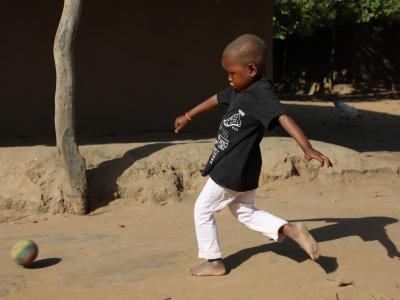
Trangelito Kicks His Way Back to Health
After battling severe acute malnutrition and malaria, five-year-old Trangelito regained his strength with timely medical care and continued support from community volunteers in Monapo.
publication / August 28, 2026
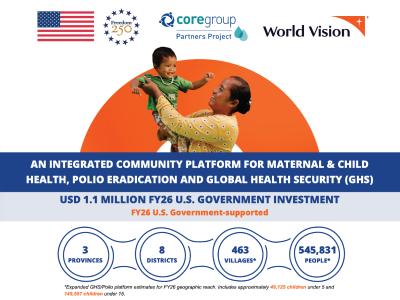
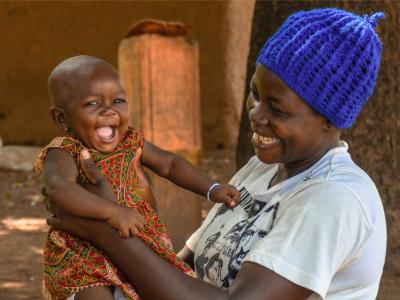
CORE Group Partners Project (CGPP) An Integrated Community Platform for Maternal & Child Health, Polio Eradication and Global Health Security (GHS)
CORE Group Partners Project (CGPP) An Integrated Community Platform for Maternal & Child Health, Polio Eradication and Global Health Security (GHS)
publication / August 26, 2026
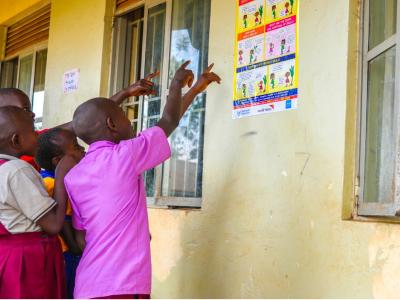
POLICY BRIEF: Debt for What?
This policy brief on public debt utilisation in Kenya and Zambia, examining how borrowed resources translate into development outcomes
article / August 27, 2026
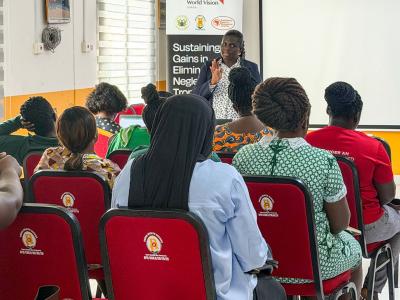
World Vision Ghana Trains over 270 Health Workers to Strengthen Community-Based Surveillance and Care for Neglected Tropical Diseases
World Vision Ghana, in partnership with the National NTD Programme, is strengthening community-based surveillance and care for neglected tropical diseases through the training of frontline health workers, improving early detection, referrals, NHIS enrolment and access to essential healthcare services.
video / August 26, 2026
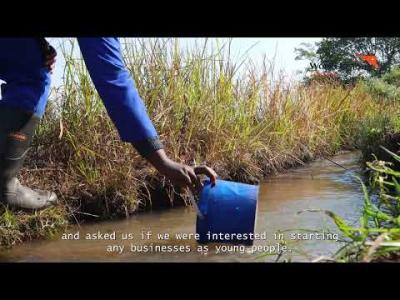
From Financial Struggles to a Thriving Farmer
At 31, Busisiwe is building a brighter future through farming after experiencing pregnancy as a teenager. Supported by World Vision’s HIV prevention project and Youth Enterprise Revolving Fund, she is strengthening her livelihood and economic independence.
article / August 31, 2026
From depletion to delight: How little Chol found his smile Again
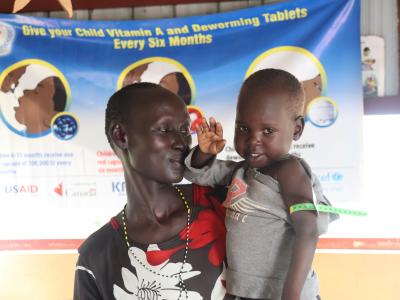
“Chol's recovery is a testament to the power of timely intervention and a mother's dedication. When Adut first arrived, she was anxious. But she followed every feeding instruction perfectly. Seeing Chol walk out of our clinic healthy, and thriving is exactly why we do this work every day,” adds Aluel Teresa, World Vision’s Community Nutrition Worker.
article / August 26, 2026
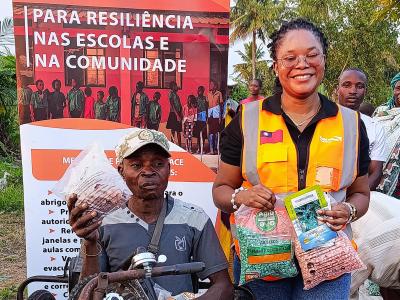
Back to the Fields: Mozambique Families Rebuild After Devastating Floods
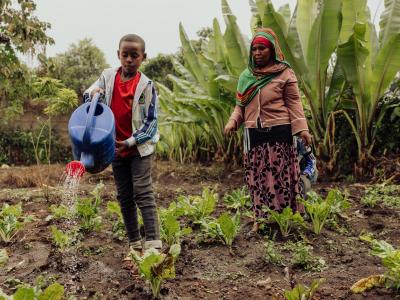
World Vision Mozambique is helping 720 flood-affected families in Maganja da Costa rebuild livelihoods through seeds and farming tools, supporting recovery, food production and income generation after the January 2026 floods.