

ENOUGH Means Delivery: Turning Global Promises into Meals on Children’s Plates
Ending child hunger starts with turning promises into action. Dana Buzducea examines why delivery, accountability, and implementation are critical to making commitments work for children.
July 13, 2026.
We have reached a turning point in the fight against child hunger.
The 2026 Global Report on Food Crises highlights a sharp rise in the severity of hunger. More than 39 million people in 32 countries faced emergency levels of food insecurity, while the number experiencing catastrophic hunger has increased ninefold since 2016. As always, children are among the first and worst affected. For young bodies, the consequences are devastating and can last a lifetime.
Reading these statistics, I kept thinking about the children I have met. Where are we failing?
I know it’s not because our world lacks solutions or resources. Nor because we lack evidence. And certainly not because we lack commitments. Hunger persists because too often there is a disconnect between what is promised in global forums and what reaches children in the places where those promises matter most.
As President Luiz Inácio Lula da Silva recently observed,
The persistence of hunger and poverty is the most painful proof that we have failed as a global community.
That failure is not one of intention. It is a failure of delivery.
This is the challenge that the ENOUGH campaign was designed to address. Launched in 2023 and now active in 81 countries, ENOUGH was never intended to be another awareness campaign. It is a platform for systems change built around a simple truth:
Ending child hunger depends on strengthening every link in the chain from policy to plate.
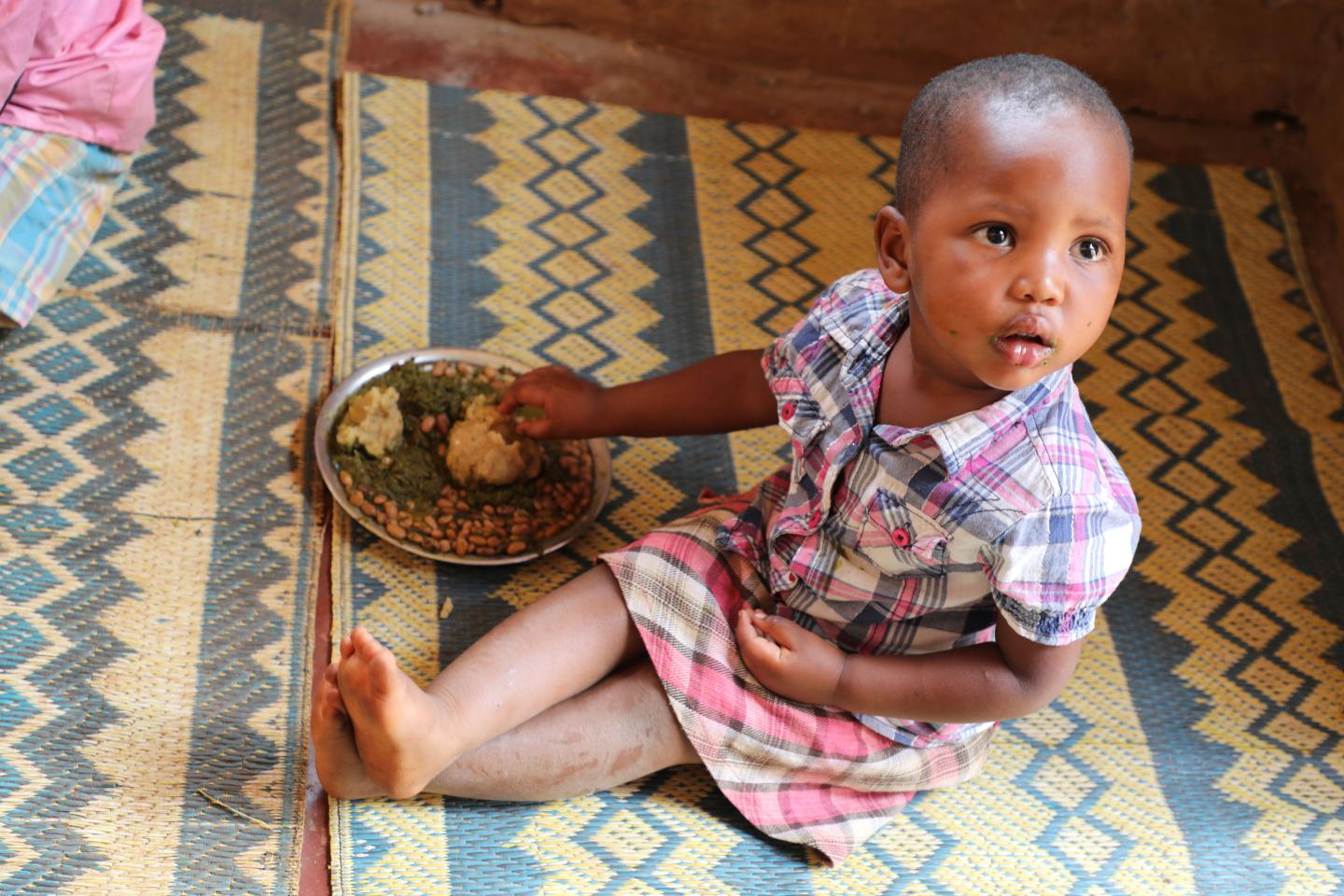
Following the chain from policy to plate
In Qala-e-Naw, in northwestern Afghanistan, Marzia waits in line each month to collect food and cash assistance. A widow raising five children, she describes that support as the reason her family is still surviving.
Last week, I had to borrow some money just to buy a little food," she says. "I can't remember the last time we had a full meal.
Marzia's story is deeply personal, but it is also profoundly systemic. Her family's situation reflects the convergence of conflict, economic fragility, climate pressures, inadequate services, and shrinking humanitarian funding. Hunger here is not the result of a single crisis. It is the outcome of multiple systems failing at once.
Responses are often fragmented. Food assistance is discussed separately from education. Nutrition is disconnected from climate policy. Humanitarian action is treated apart from long-term development and public finance.
Children experience these challenges simultaneously. Our solutions should do the same.
The most important insight emerging from ENOUGH 2025: Driving Progress to End Child Hunger and Malnutrition Report is that progress happens when these connections are strengthened. Policies, budgets, service delivery, and accountability are all part of the same chain. Together, they determine whether a child is nourished, healthy, and able to learn.
Evidence that systems change is possible
The results achieved through ENOUGH over the past year demonstrate what becomes possible when advocacy is linked to implementation.
In 2025 alone, policy changes influenced through the campaign reached 244 million children. More than 406 policy changes were advanced, supported by 2.7 million advocacy actions. Nearly $2 billion in nutrition-related spending was mobilised. One million children gained access to school meals, while 5.8 million benefited from food assistance and 7.3 million participated in nutrition programmes.
What is particularly encouraging is where this progress occurred. Almost half of the policy wins focused on implementation improvements. More than 80% took place at sub-national level, where services are delivered and accountability is most tangible. Around 60% translated into budget commitments, helping turn policy intent into practical action.
These results show that systems can change when accountability is embedded throughout the process.
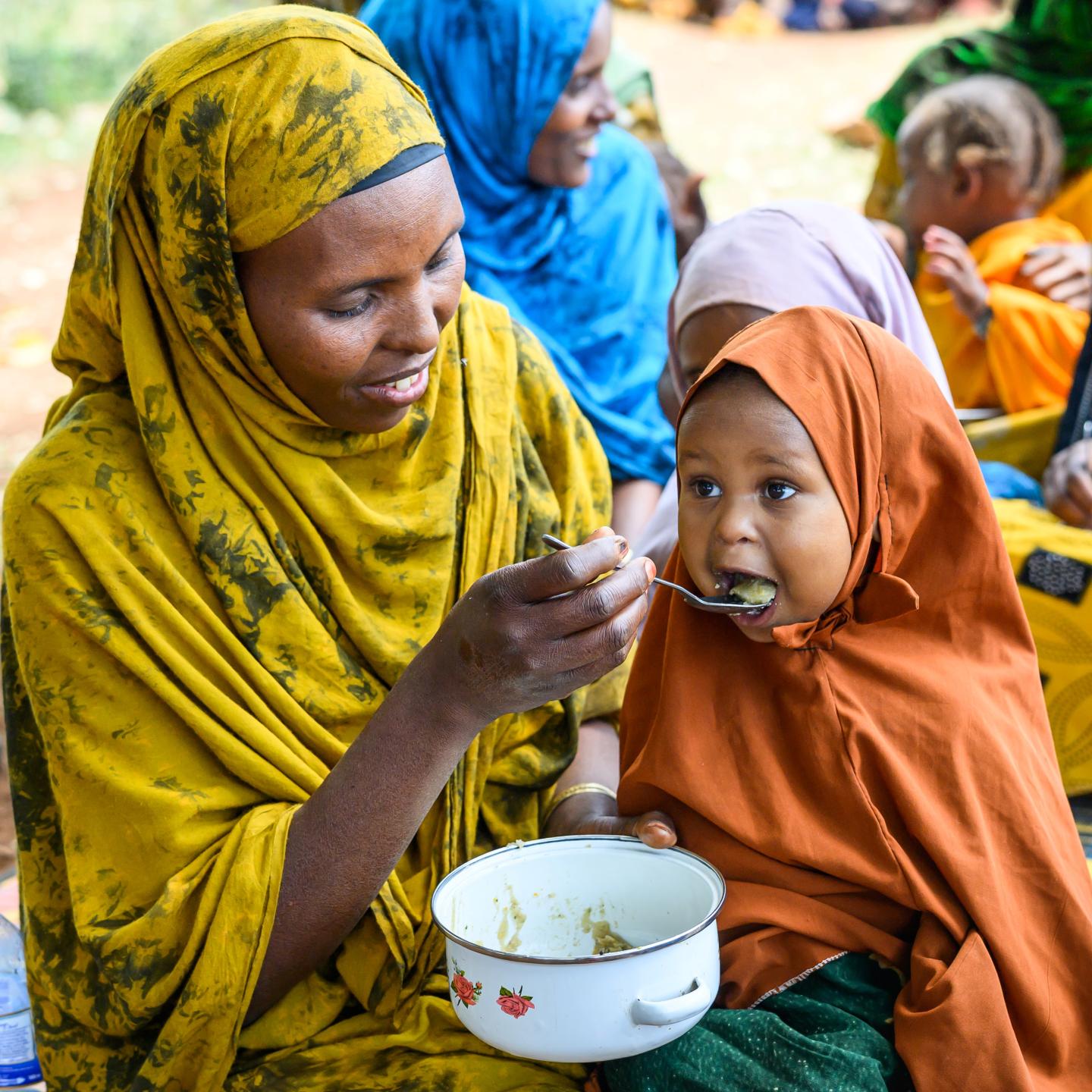
Progress remains fragile
Yet progress is unfolding against an increasingly difficult backdrop. Humanitarian needs continue to rise while funding declines. Fragile and conflict-affected contexts are concentrating the highest levels of hunger. At the same time, many climate strategies still fail to adequately address children's nutrition and food security, despite children bearing some of the greatest consequences of climate-related shocks.
Afghanistan illustrates this reality with painful clarity. The closure of hundreds of nutrition sites in 2025 has already reduced access to essential services for tens of thousands of women and children. Families like Marzia's are confronting the prospect of losing support at precisely the moment they need it most.
When systems weaken, hunger deepens. Children leave school, enter labour markets, face greater protection risks and carry the consequences into adulthood. The impacts extend far beyond a single generation.
From advocacy to accountability
The next phase of progress requires a shift in focus.
First, we must move from commitments to delivery. Announcements matter, but implementation matters more. We need to track resources, services, and outcomes all the way to the child. Are funds being disbursed? Are services reaching communities? Are nutrition outcomes improving?
Second, we must strengthen locally owned accountability. The most meaningful changes often happen closest to children. Governments, local authorities, communities, and children themselves all have a role in shaping and monitoring progress.
Third, we must replace fragmented responses with integrated approaches. Hunger is connected to climate resilience, food systems, health services, education, livelihoods, and conflict. Effective solutions must reflect that reality.
As ENOUGH moves towards its ambition of reaching 500 million children by 2028, these priorities will define its next chapter. The goal is not simply to secure more commitments, but to ensure they translate into measurable improvements in children's lives.
Because ENOUGH is more than a campaign slogan. It is a standard. A standard that asks whether promises become budgets, budgets become services, and services improve children's lives. A standard that ensures children like Marzia's no longer have to depend on emergency assistance simply to eat, learn, and imagine a future beyond survival.
About the Author:
With over 30 years of experience, Dana Buzducea is World Vision International’s Partnership Leader for Advocacy and External Engagement, where she leads global efforts to influence child-sensitive policies, strengthen government and multilateral investments and advance both the Sustainable Development Goals and the Convention on the Rights of the Child.
Subscribe to see more content like this
Related Resources

Why Self-Reliance Must Become a Global Stability Priority

Why School Meals Need a Nutrition Accountability Revolution
