


Why Self-Reliance Must Become a Global Stability Priority
Viviana De Annuntiis reflects on why child hunger should be understood not only as a humanitarian concern, but as a defining challenge for peace, resilience, and long-term stability.
July 16, 2026.
The global food crisis is often described in terms of numbers. Yet the most consequential reality is not how many people are hungry, but where hunger is increasingly concentrated and what that means for the future.
According to the 2026 Global Report on Food Crises, 266 million people across 47 countries experienced acute food insecurity in 2025. Two-thirds of those facing acute hunger are concentrated in just ten conflict-affected countries1. Hunger is more than a consequence of conflict. In many contexts, it is becoming one of the mechanisms through which fragility is sustained across generations.
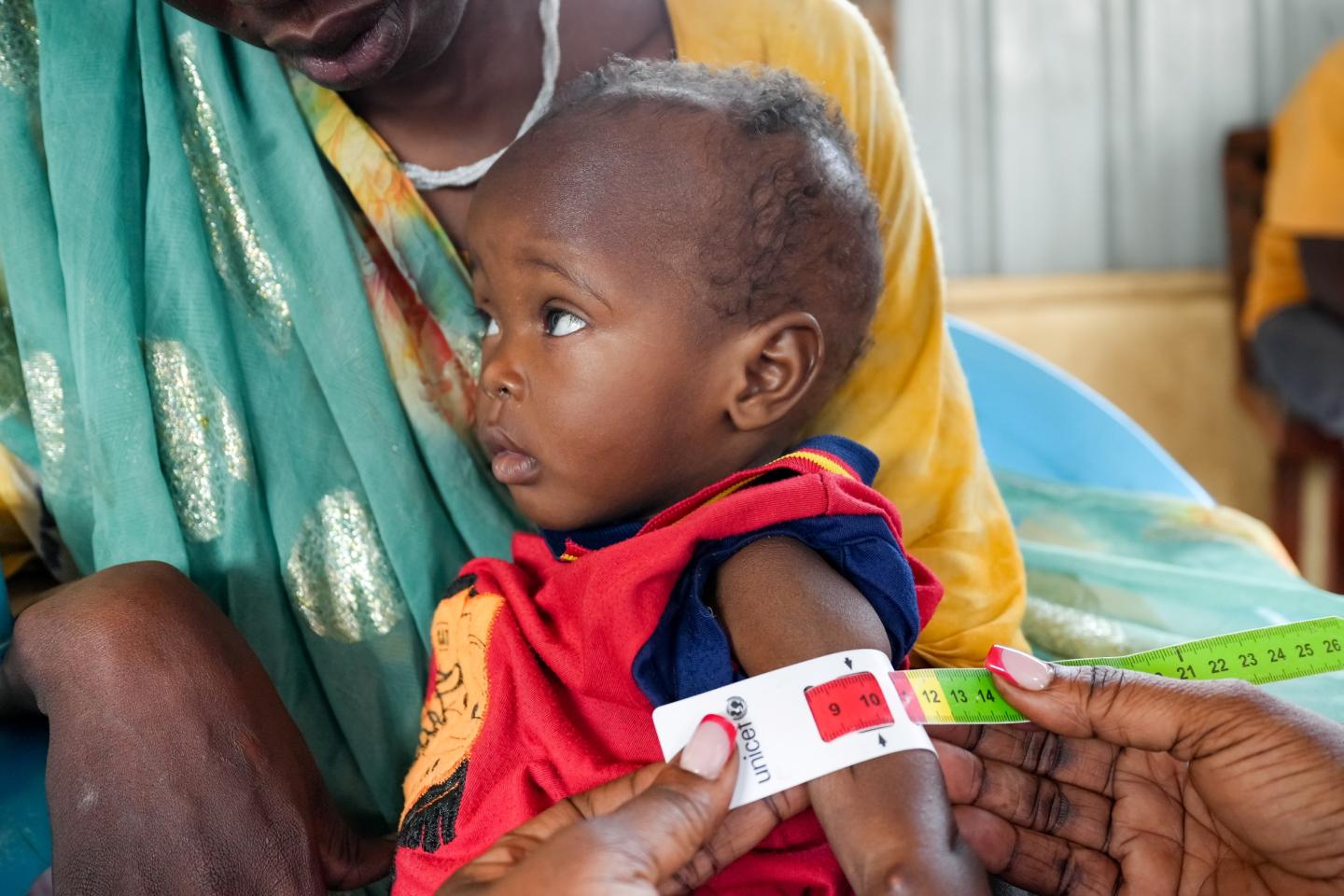
Children sit at the centre of this convergence. In 2025, 35.5 million children were acutely malnourished, including nearly 10 million suffering from severe acute malnutrition. At the same time, children account for 41% of all refugees worldwide. These figures should concern us not only because of the immediate human suffering they represent, but because they reveal a growing failure to protect the foundations of future stability.
As Joan Matji, Global Director for Child Nutrition and Development at UNICEF, has recently said:
“These figures are often viewed as data points in global reporting cycles, yet they represent something far more consequential: children whose development, futures, and fundamental rights are being compromised in contexts of prolonged crisis and fragility.”
Beyond a Humanitarian Challenge
For years, child hunger has been framed primarily as a humanitarian challenge requiring emergency intervention. Yet across fragile and conflict-affected settings, hunger is also driving displacement, disrupting education, weakening human capital, and increasing protection risks for children.
This matters at a moment when humanitarian financing is contracting sharply. Funding for food and nutrition responses has fallen to levels not seen in nearly a decade, even as needs continue to rise. More than 200 million children are projected to require humanitarian assistance in 2026.
What Hunger Looks Like in Practice
In South Sudan, Vivian Stephen understands these realities all too well.
After losing her husband to violence, the 21-year-old mother was left raising two children alone. When her nine-month-old daughter, Shushu, became ill, treatment for malaria did not improve her condition. She lost weight rapidly and was eventually diagnosed with severe acute malnutrition. Through an outpatient therapeutic programme, Shushu began receiving Ready-to-Use Therapeutic Food (RUTF).
“I feel encouraged to feed Shushu on time with the RUTF and the food I cook at home,” Vivian said. “I know her weight can improve.”
Her words reflect the life-saving importance of humanitarian assistance. Yet they also point to a deeper challenge. Speaking about the future, Vivian explained:
“I fear she may relapse because of our difficult living conditions.”
That concern highlights a reality we encounter repeatedly across conflict-affected settings; recovery remains fragile when the conditions that drive vulnerability remain unchanged.
From Survival to Resilience
This understanding sits at the heart of World Vision's ENOUGH Campaign. Across fragile contexts, we see how conflict and hunger reinforce one another, trapping children and families in cycles of vulnerability that become increasingly difficult to escape.
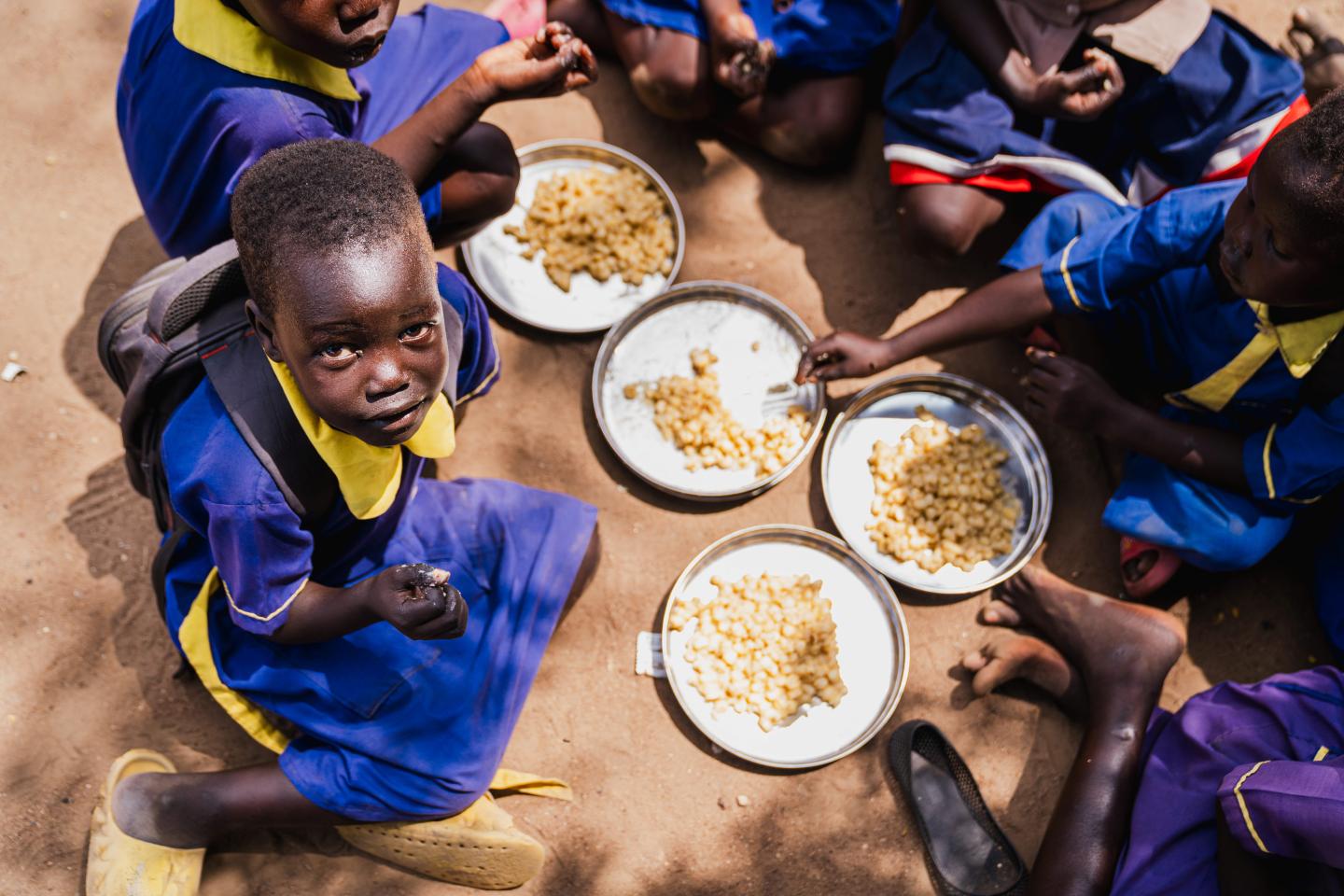
In 2025, 85% of World Vision's food assistance was delivered in fragile and conflict-affected settings where displacement, insecurity, funding shortages, and restricted humanitarian access continue to weaken already strained systems. Through the ENOUGH Campaign, World Vision reached 5.8 million children with life-saving food assistance.
Yet the campaign is driven by a broader conviction: ending child hunger requires more than responding to crises. It requires addressing the factors that leave children vulnerable to them in the first place.
What must change
Evidence increasingly shows that strengthening self-reliance is one of the most effective ways to break this cycle. Approaches that combine food assistance with livelihoods, education, skills development, financial inclusion, and child-centred social protection help families build resilience and improve outcomes across food security, protection, education, and wellbeing.
Child hunger must be recognised as more than a humanitarian concern. It is a challenge that sits at the intersection of resilience, stability, and sustainable development. Investments in nutrition, school meals, resilient food systems, and self-reliance are not competing priorities. They are essential investments in a safer and more stable future. Success should not be measured by how many children survive a crisis, but by how many emerge from it nourished, protected, learning, and able to build the future they deserve.
About the author: Viviana De Annuntiis is Senior Advisor for humanitarian Advocacy, Policy and Partnership at World Vision International. She manages relationships with the World Food Programme (WFP) and FAO, and leads policy development and advocacy on food security, conflict, hunger, and famine prevention. She also supports World Vision’s humanitarian field operations with strategic advocacy and policy expertise.
Subscribe to see more content like this
Related Resources

Why Ending Hunger Requires Investing in Children’s Hope

What the hunger stats for Sudan don’t tell you about food.
