

Four Winters In: What Ukraine’s Children Are Living Through
Arman Grigoryan, World Vision Ukraine Crisis Response Director, explores how prolonged conflict shapes childhood and urges humanitarian teams to continue protecting the children of Ukraine, supporting their recovery, and preserving their hope.
This is the fourth winter of war. It is three in the morning in Kyiv, and the city wakes once again to the sound of explosions. After the air-raid sirens fell silent around one a.m., there were barely two hours of restless sleep before the attacks resumed.
For Ukraine’s children, war has not arrived as a single traumatic incident or a clearly defined beginning; rather, it has unfolded gradually, embedding itself into daily life and shaping how safety, routine, and relationships are understood from an early age.
Many of the children I meet today were toddlers when the war began, while others were not yet born, meaning they have never experienced life without interrupted sleep, sudden goodbyes, or the quiet tension of adults making decisions about evacuation, separation, or survival.
When safety disappears
Children develop best when they feel safe, and safety depends on the consistent presence of caregivers and familiar environments; war fractures this foundation as fathers go to the front, families are forced to separate, and homes are damaged or destroyed. When the people meant to protect you are absent, or return physically present but emotionally changed, something fundamental shifts. Children learn not only that the world is unpredictable, but that closeness itself cannot be relied upon.
When I joined World Vision’s Ukraine response three years ago, these impacts became increasingly visible in everyday interactions. Children startled by ordinary sounds, and adolescents speaking with the seriousness of adults, not because they are mature, but because prolonged fear has narrowed what they are able to feel, express, and process.
These are not isolated behaviours or individual failings. They are expected responses to sustained stress. In 2024, a study by UNICEF found that half of Ukrainian children aged 13 to 15 experienced persistent sleep difficulties, while one in five reported intrusive thoughts or flashbacks, all clear indicators of psychological distress or trauma.
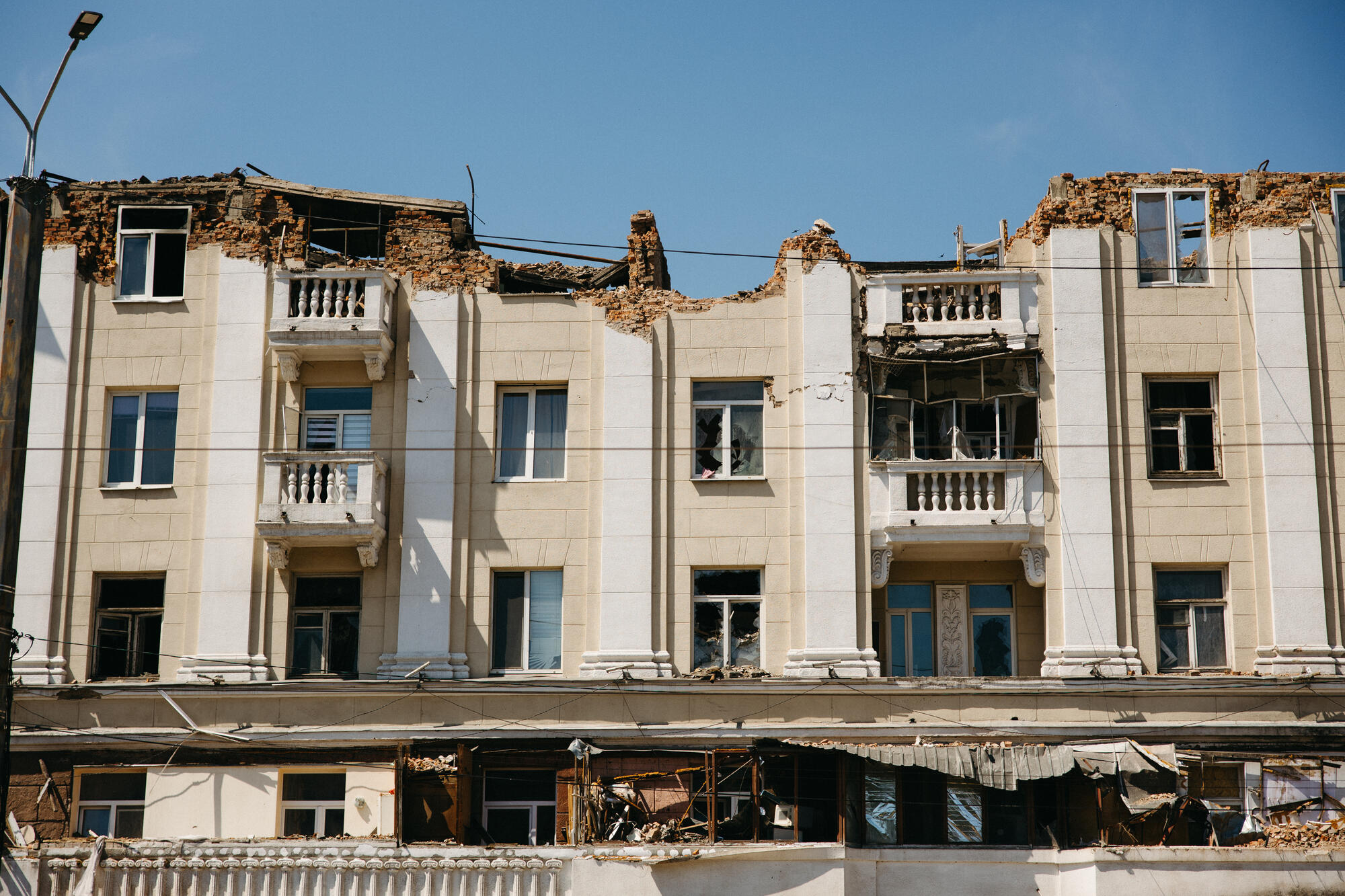
The invisible wounds
The physical destruction of war is immediately visible – homes reduced to rubble, playgrounds cratered, schools destroyed – but the damage to children’s mental health leaves no debris behind. It accumulates quietly, over time, like sediment at the bottom of a river, gradually affecting clarity, movement, and emotional regulation.
“My father went to the war, and he rarely comes back. I really miss him,” Diana, nine years old, told me at a World Vision-supported child-friendly space in Dnipro. Her words reflect a reality shared by countless children for whom separation is an ongoing condition with lasting psychological consequences.
The mental health impact of this war on children, families, and communities will persist long after active hostilities end. Trauma that is not addressed does not resolve on its own; it shapes relationships, affects physical and mental health, and influences social cohesion for years to come.
Our responsibility in the fourth winter
World Vision works through local partners to address these needs, including the operation of child-friendly spaces and the delivery of structured mental health and psychosocial support such as Psychological First Aid, Social and Emotional Learning programmes, Problem Management Plus (PM+), and multidisciplinary mobile teams that reach children and families in remote and hard-to-access areas.
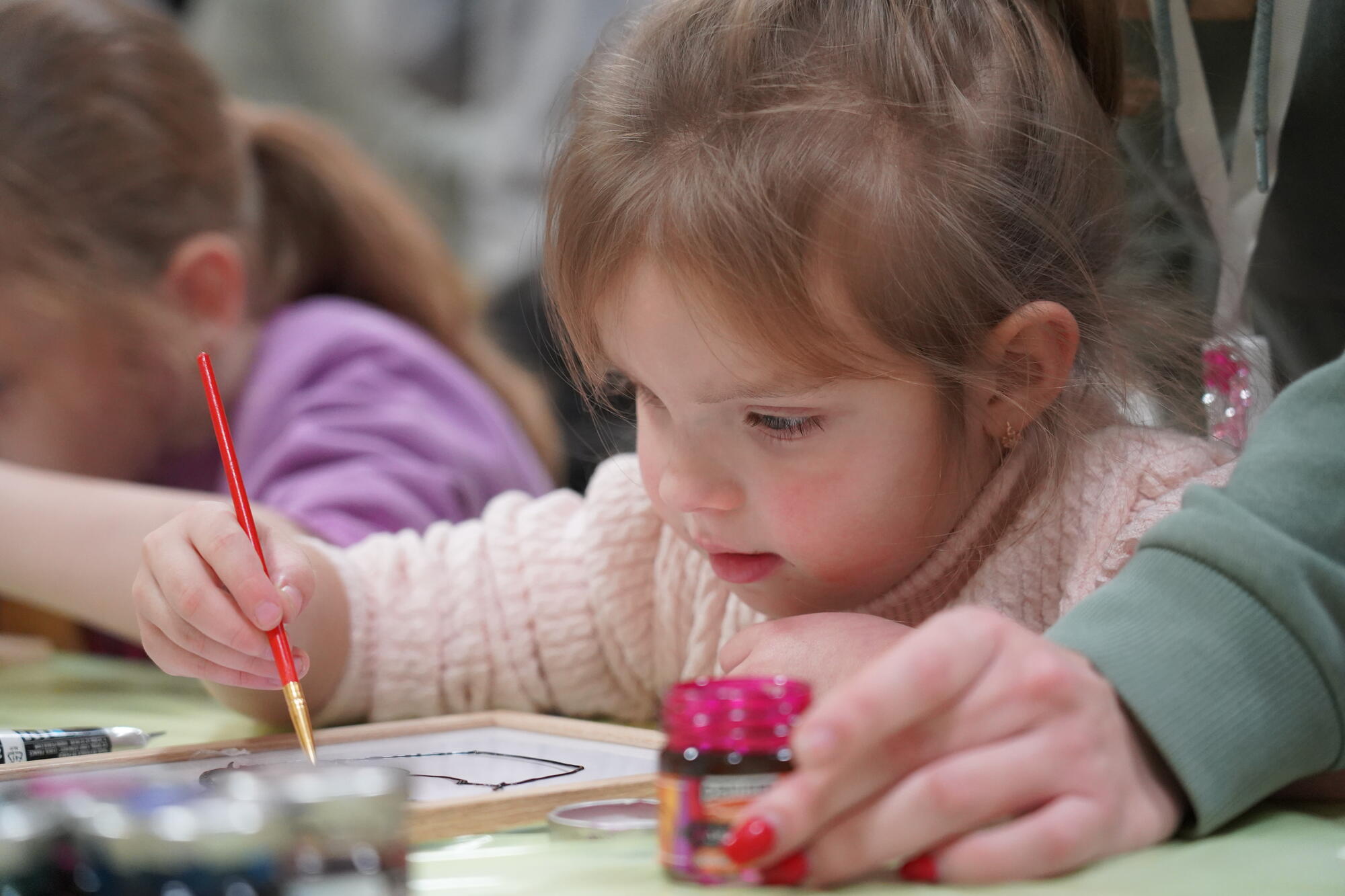
Four years is a long time to live in fear. It is far too long for a child.
Our responsibility, as humanitarians, is to remain present and to continue delivering assistance, even as risks increase. In 2025, eight humanitarian colleagues were killed and 47 injured while working in Ukraine, and there is no indication that the year ahead will be safer.
Nevertheless, our mission remains unchanged: to protect children, support their recovery, and ensure that hope is sustained, not as an abstract ideal, but as a lived experience shaped by safety, care, and continuity.
Because hope, like safety, is something children learn through experience.
Learn more about our response in our Annual Report 2025: Standing With Children Through Four Years of War in Ukraine.
________________________
Arman Grigoryan is World Vision Ukraine Crisis Response Director. He has over 15 years’ experience leading humanitarian and development programmes in complex and fragile contexts, including Syria, Sudan and Ukraine. He has held senior operational roles with World Vision, overseeing multi-sectoral emergency and development projects, partnership coordination, and programme implementation. Arman is originally from Yerevan, Armenia, and holds a master’s degree in Political Science and International Affairs from the American University of Armenia.
Subscribe to see more content like this
Related Resources

Innovative Chatbot Supports Parents in Times of Crisis
