

Vaccines work. Now let’s make sure they reach every child.
As the world marks World Immunization Week, the question before us is no longer whether vaccines work. Dr Onei Uetela, World Vision’s Senior Advisor for Immunisation and Infectious Diseases, says the question is whether they will reach every child who needs them.
24 April 2026
In my lifetime, I have watched vaccines do something extraordinary. Diseases that once filled children's wards and devastated families, such as measles, polio, and tetanus, have been pushed back through the sustained work of immunisation programmes across generations. According to the World Health Organization (WHO), vaccines have saved more than 154 million lives over the past 50 years. It is one of humanity's greatest achievements.
And yet, as I addressed colleagues in Kigali, Rwanda last week to mark the launch of World Immunization Week, I found myself reflecting on a story that has stayed with me.
In rural Afghanistan, Abdul sets out before dawn, cradling his four-month-old daughter Marzia against his chest to keep her dry. He walks for hours through mud and flooded paths to reach the nearest health clinic. When he arrives, clothes still damp from the rain, he says simply: “I came to get my baby daughter vaccinated.”
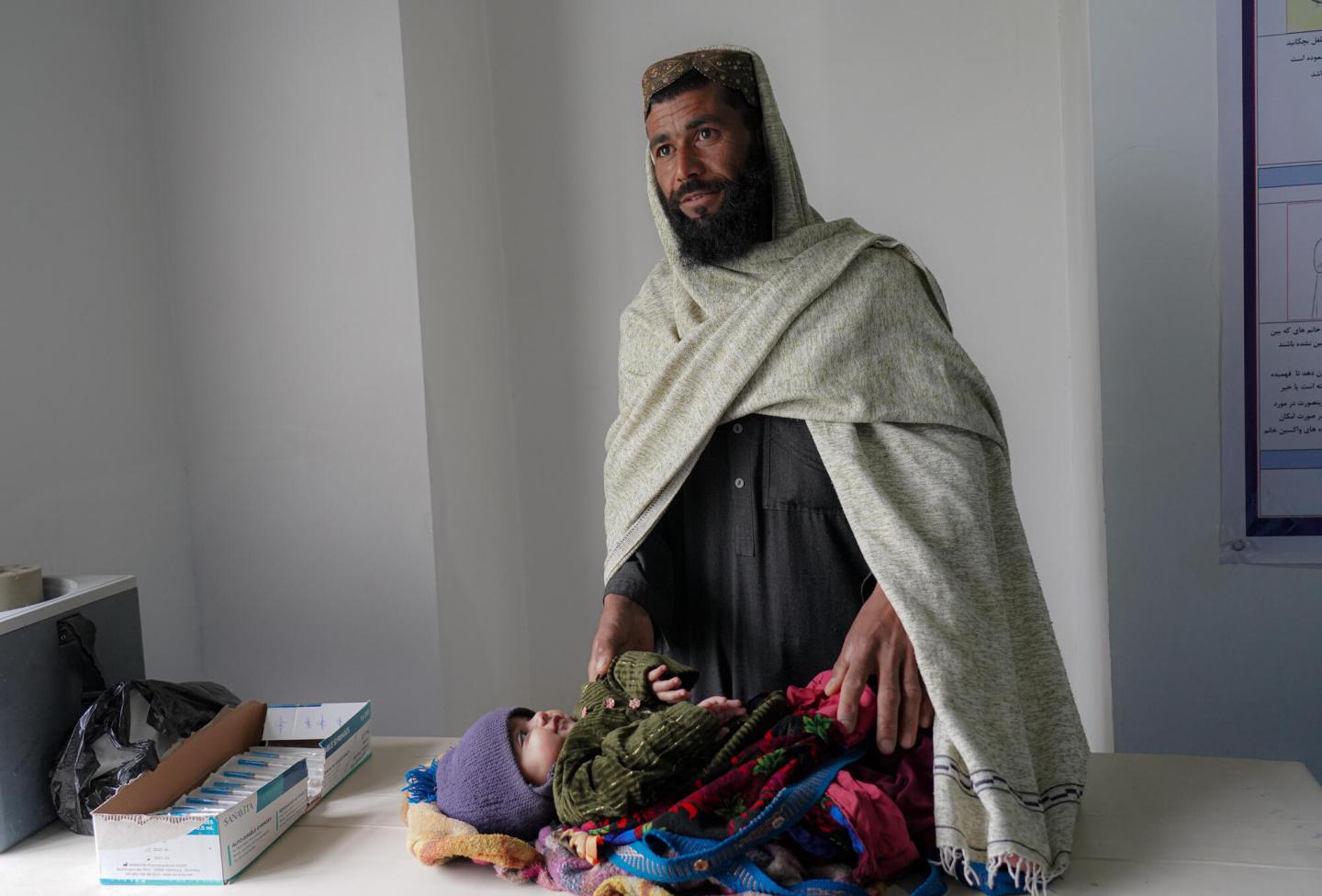
No parent should have to make that journey for a routine vaccine. But for millions of families, that is what access looks like.
The question before us is no longer whether vaccines work. It is whether they will reach every child who needs them.
A generational achievement, and a generational responsibility
This year's World Immunization Week theme, “For every generation, vaccines work,” deserves to be read two ways. It is a celebration: children today face dramatically lower risks from diseases that killed millions a generation ago. Newer vaccines against pneumonia, rotavirus, and malaria bring us closer to preventing even more. The malaria vaccine, in particular, gives real cause for hope, with strong country uptake and encouraging early evidence on child mortality.
But the theme is also a challenge. Every generation that benefits from vaccines does so because the previous one invested in systems to deliver them. If we are serious about passing those gains on, we must be honest about who is still being left behind. The WHO states that in 2024, more than 14.3 million children were zero-dose, not having received a single routine vaccine. A further 5.6 million were under-vaccinated. More than half of zero-dose children are concentrated in just nine countries, and around 51% live in fragile or humanitarian settings, where health systems are already under strain. These are not marginal numbers. They define this moment.
The new complexity of reaching children
Reaching these children is not getting easier. We are navigating a convergence of pressures: declining health financing, growing fragility and conflict, and a new era of misinformation and mistrust amplified by social media.
That last challenge deserves particular attention. Unlike the distance that shaped Abdul's journey, mistrust cannot be solved by building a closer clinic or conducting mobile outreach. It spreads faster than any disease, reshaping how communities relate to health systems. A vaccine that sits in a cold chain but is refused at the door saves no one.
These pressures mean immunisation can no longer rely solely on supply-side solutions. More vaccines, better logistics, and stronger cold chains are necessary, but not sufficient.
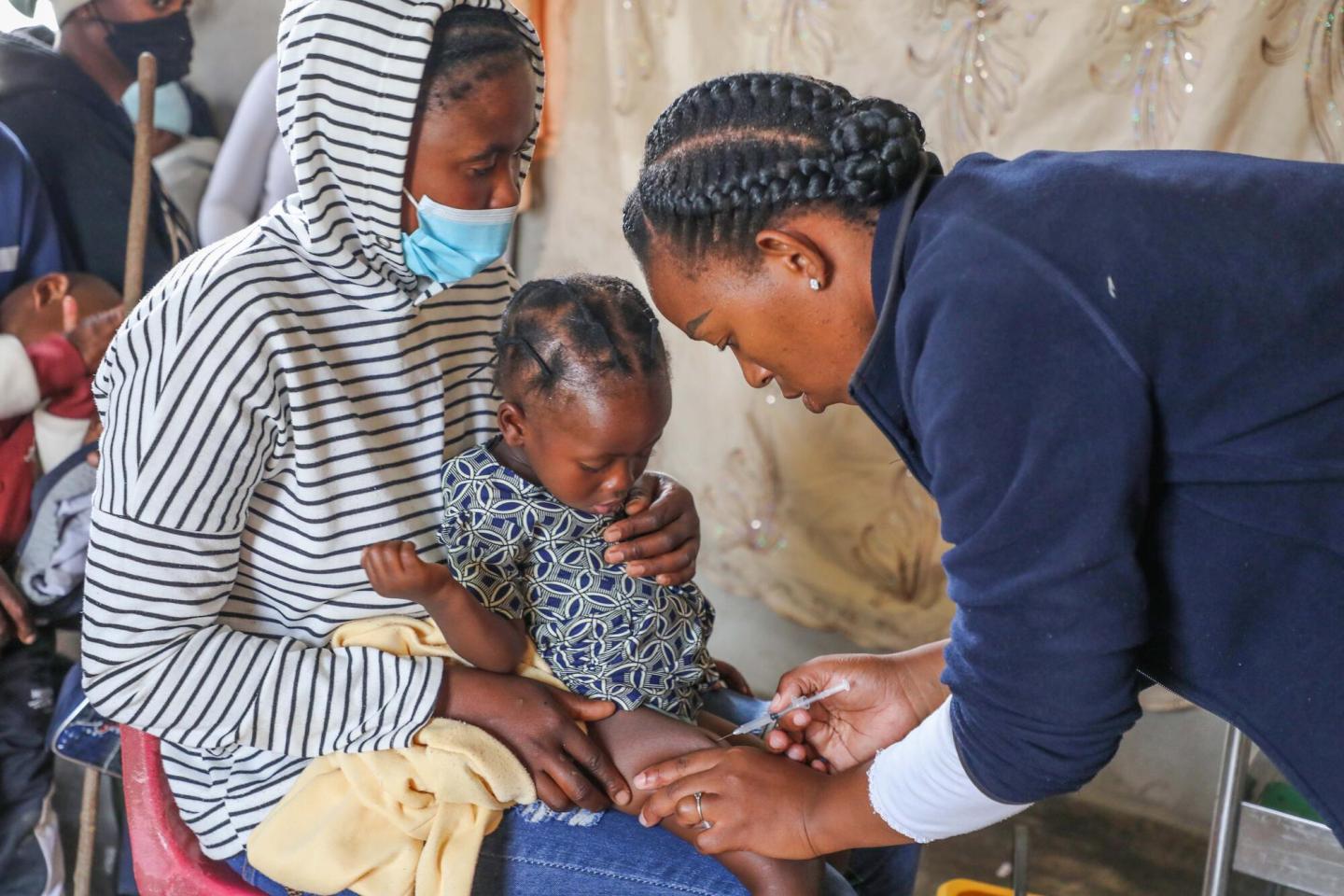
Communities are not the last mile. They are the starting point.
What the evidence shows, and what World Vision's 25 years of experience in immunisation programming confirms, is that immunisation does not succeed from the top down. It succeeds from the community up.
Community systems matter because they connect people to health services. They include community health workers, faith leaders, local leaders, and civil society, as well as processes that enable communities to participate meaningfully – to identify their own gaps, raise concerns, shape service design, and hold systems accountable. They create the conditions for genuine community agency in health.
This is illustrated in the Solomon Islands, where World Vision supports Village Health Committees in remote communities. Made up of teachers, faith leaders, and community volunteers, these committees organise discussions in local languages, use drama and song to explain vaccines, and work patiently to build informed consent. The result is not just higher uptake, but trust – and trust is what makes immunisation gains last across generations.
Globally, World Vision supports nearly 200,000 community health workers doing similar work: identifying children who have been missed, connecting them to care, and building relationships that make communities active participants in their own health. When communities are treated as partners – involved in defining priorities and designing services – uptake improves, systems strengthen, and accountability deepens.
Reaching every child requires investing in community systems
Investing in community systems is not an add-on. It is what makes immunisation work. Every dollar spent on vaccination can generate up to twenty dollars in returns. But those returns only materialise when vaccines reach children – especially the most vulnerable – and that depends on sustained investment in community systems.
Too often, this infrastructure is treated as optional and is the first to be cut when resources tighten. If we are serious about reaching every child, that has to change.
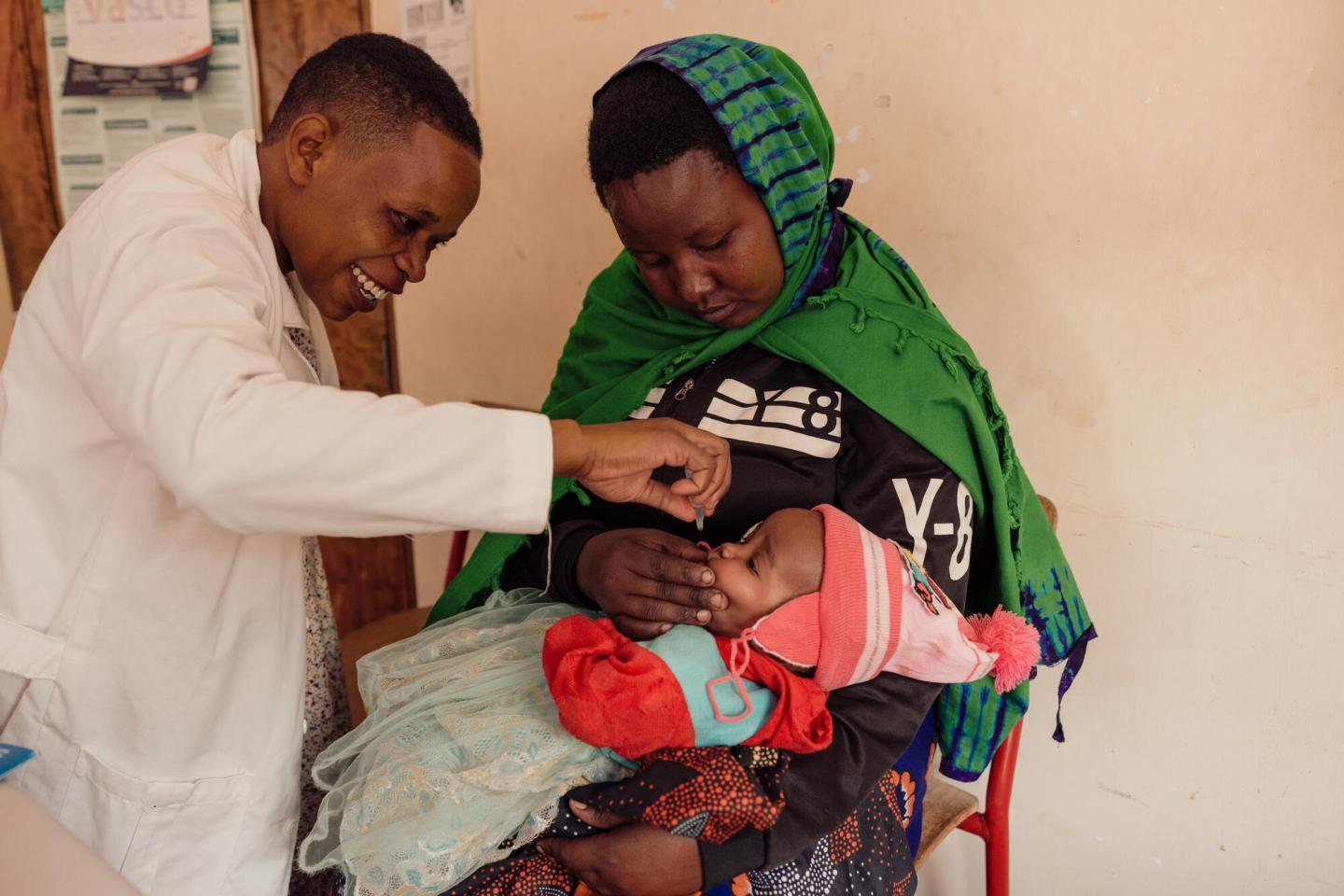
A call for this generation
As we mark World Immunization Week 2026, the theme invites reflection as much as celebration. Vaccines work – but only when each generation makes the investments that allow them to.
The evidence is clear. Financing vaccines matters. Strengthening health systems matters. But neither reaches its full potential without the community systems that connect vaccines to children – the people and processes through which communities become agents of their own health.
Let us be as deliberate about investing in community systems as we are about investing in vaccines. Let us measure success not only by how many children are reached, but by who is still being missed.
The gains of the past 50 years were built by people, in communities. The next generation of gains will be too.
Vaccines work. Let us make sure they work for every child, in this generation.
Learn more about World Vision's approach to immunisation and our Health & Nutrition programming.
About the author:
Dr Onei Uetela is World Vision’s Senior Advisor for Immunisation and Infectious Diseases. He has worked with the University of Washington, UNICEF, and Pathfinder International, and previously served as a physician, Paediatric HIV Director, and District Medical Officer in Mozambique’s Ministry of Health.
Subscribe to see more content like this
Related Resources

Standing with Science Means Reaching the Last Child

Finding the Missing Children of TB: Why Nutrition Integration Matters
