

Standing with Science Means Reaching the Last Child
Science remains essential to improving child health, but only if it reaches the most marginalised. Drawing on both progress and gaps in East Asia, Thamilini Joshepkumar argues that proven, science-based solutions must be delivered equitably through strong primary health care, nutrition investment, community leadership, and climate informed approaches.
13 April 2026
In a world shaped by climate shocks, health misinformation, conflict, and widening inequality, science remains one of humanity’s most powerful tools to protect lives and build healthier futures. Yet standing with science is not only about breakthroughs or innovation. It is about ensuring that scientific progress reaches every child, especially those living in the most vulnerable and marginalised communities.
Because science only fulfils its purpose when it reaches the last child.
Globally, progress in child and maternal health over the past two decades has been remarkable. Countries across regions have expanded primary health care, improved immunisation coverage, and strengthened nutrition and community health systems.
East Asia offers a powerful example of what sustained investment in science-based health interventions can achieve. In Eastern Asia, under-five mortality has fallen dramatically from an estimated 50.8 deaths per 1,000 live births in 1990 to just 5.8 in 2024, reflecting one of the fastest and most sustained improvements in child survival globally. Countries such as Vietnam, Thailand, China, Cambodia, and Mongolia have strengthened their health systems and significantly improved national health indicators.
These achievements demonstrate that science works.
However, they also reveal an important and often overlooked reality: progress has not reached every child equally. Across regions, including East Asia, national averages can mask deep inequalities. Children in remote rural areas, fragile contexts, informal settlements, and marginalised communities still struggle to access basic health and nutrition services. Poverty, distance, climate shocks, and limited health infrastructure continue to shape whether a child survives and thrives.
The challenge today is not a lack of scientific knowledge. We already know what works to improve maternal and child health, prevent malnutrition, and strengthen resilience. The real challenge is ensuring that these proven solutions reach the last mile consistently and equitably.
Malnutrition is one of the clearest examples of this global gap.
Across East Asia and the Pacific, malnutrition remains a silent but urgent threat to child health and development. It weakens immunity, limits cognitive growth, and increases the risk of disease and death. The consequences can last a lifetime. Today, the region faces a growing double, and increasingly triple, burden of malnutrition. Around one in two children under five suffers from at least one micronutrient deficiency, while childhood overweight and obesity continue to rise rapidly. In countries such as Laos and Cambodia, stunting and wasting still affect large numbers of children, particularly in rural and marginalised communities. This is not simply a food issue.
Malnutrition reflects deeper systemic challenges, including maternal health, breastfeeding support, clean water and sanitation, food systems, social protection, and access to quality health services. Science has already shown what needs to be done, from investing in proper nutrition during the first 1,000 days of life to strengthening integrated community health services and multisectoral approaches. What is needed now is sustained investment, coordinated action, and strong political commitment to bring these solutions to scale.
Experience across East Asia and other regions shows that science becomes most effective when communities are at the centre of implementation.
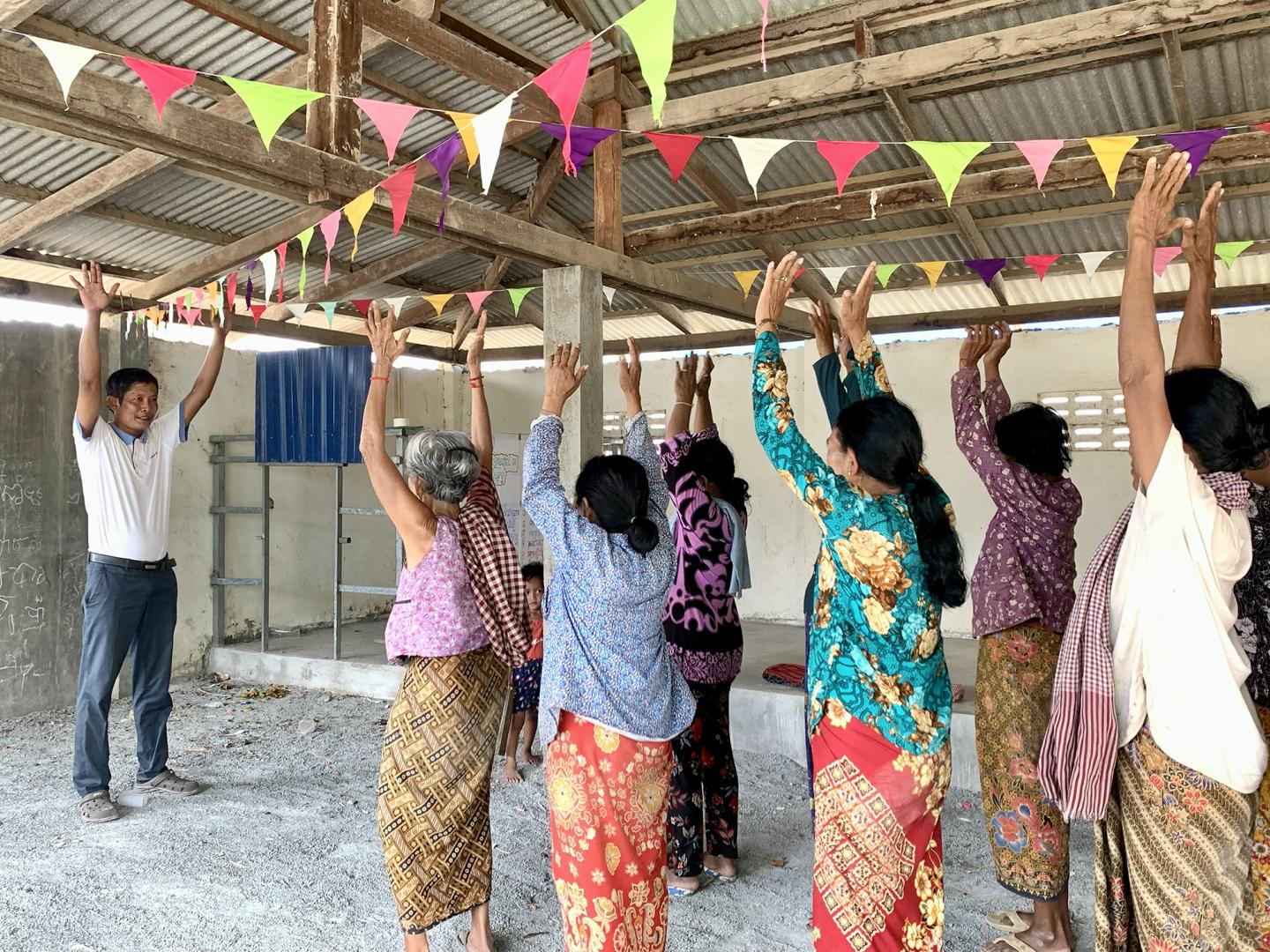
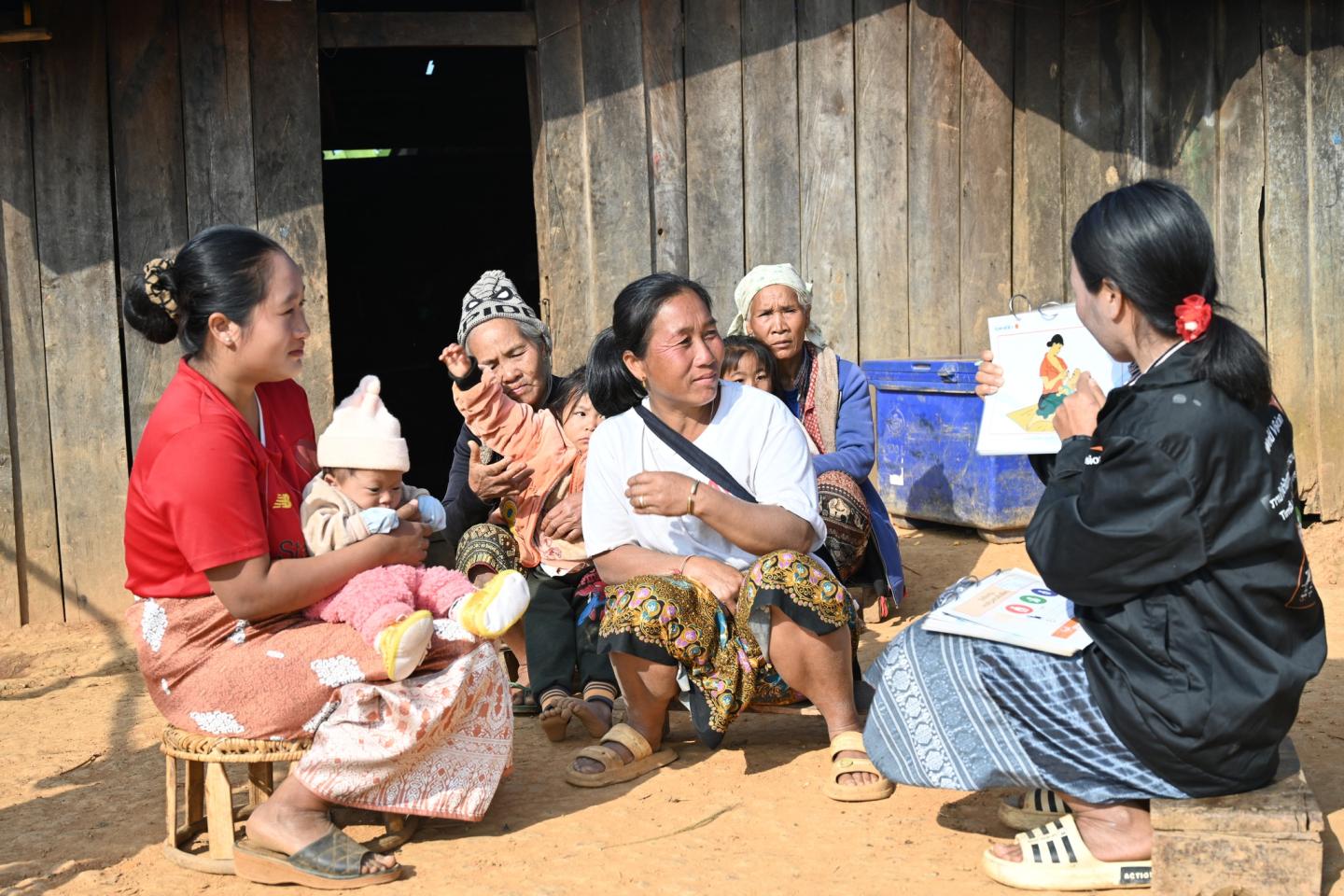
Policies, guidelines, and innovations provide the foundation, but real change happens at the community level. Community health workers, mother support groups, nutrition volunteers, and local leaders play a vital role in translating scientific evidence into everyday practice. They help families understand breastfeeding, monitor child growth, improve hygiene, and strengthen household nutrition and food security. Their work bridges the gap between global knowledge and local action, making science practical, accessible, and sustainable.
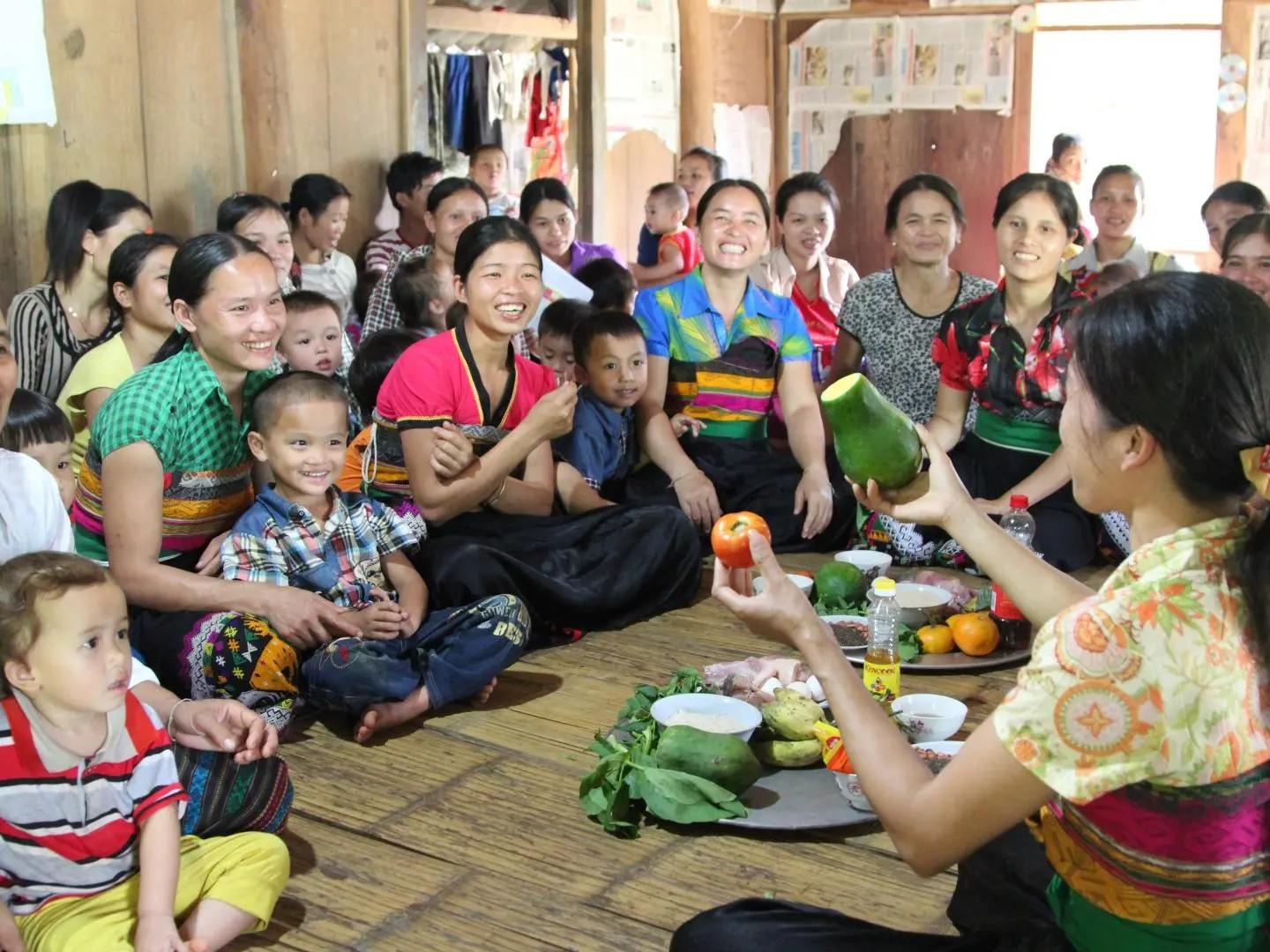
In Vietnam, World Vision’s Nutrition Clubs illustrate how science becomes effective when rooted in community life. Mothers gather regularly to learn about child feeding, hygiene, home gardening, and small livestock, while children’s growth is monitored and families receive household follow-up. In one programme area, stunting declined from 32% to 23% within two years. Beyond numbers, mothers gained confidence, social support, and practical skills turning evidence into daily practice.
Trust is equally essential.
Families do not change behaviour simply because information is scientifically correct. They act when messages are clear, culturally relevant, and delivered by people they trust. When communities feel respected and engaged, they are more likely to seek care early, follow medical advice, and adopt healthier practices. Science without trust remains theory; science with trust becomes life-saving action.
Through approaches such as Citizen Voice and Action and social accountability mechanisms, World Vision strengthens trust between communities and service providers when it is understandable, culturally relevant, repeated by someone they know, and reinforced by trusted systems. In Cambodia’s Svay Ta Yean Health Centre, social accountability transformed quality of care, increased utilisation, and improved safe deliveries, not through new science, but through transparency, dignity, and community leadership.
Standing with science also means responding to one of the most pressing health challenges of our time: climate change.
Across East Asia and many parts of the world, climate-related shocks, such as floods, droughts, extreme heat, and harsh winters are increasingly threatening food systems, livelihoods, and access to health services. Vulnerable communities are often the first to feel these impacts, and children are the most affected. Scientific data and climate-informed approaches now allow governments and organisations to anticipate risks, respond earlier, and build resilience before crises escalate. Approaches such as the World Health Organization’s One Health, which recognise the connection between human, animal, and environmental health, are becoming essential to protecting future generations.
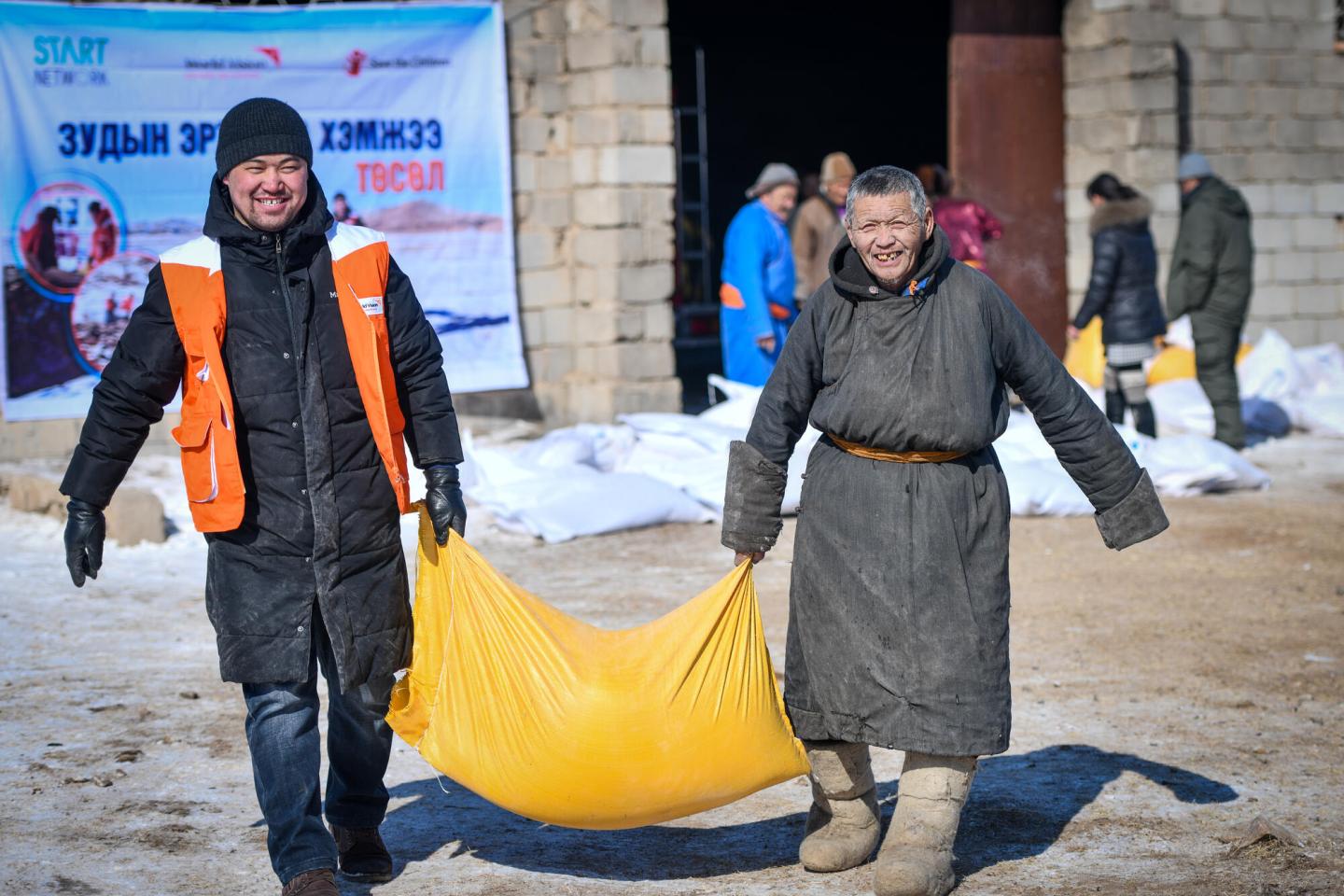
In Mongolia, increasingly severe winters known as dzud have devastated livestock‑dependent livelihoods, compromised food security, and cut off access to health services. World Vision’s anticipatory and emergency responses have used climate and vulnerability data to trigger early support, combining cash assistance, food, animal fodder, and recovery training for herder families. These interventions helped protect children’s nutrition and reduce long‑term health risks during the 2023–2024 dzud seasons.
Together for health, stand with science
The world recently marked World Health Day under the theme, “Together for Health, Stand with Science.” But standing with science must go beyond global commitments and slogans. It requires governments, development partners, civil society, and communities to work together to ensure that science is applied equitably and reaches those who need it most.
Strengthening primary health care systems, investing in nutrition, supporting community health workers, and integrating climate-informed health strategies are practical steps that can help bridge the gap between knowledge and action.
Standing with science ultimately means choosing people.
It means choosing the child in a remote village who needs access to nutrition services, the mother who needs trusted health guidance, and the community that needs resilient systems to withstand climate shocks. Because when science reaches the last child, it does more than improve health outcomes. It creates stronger, healthier, and more resilient futures for everyone.
About the author:

Thamilini Joshepkumar is a Registered Nutritionist (Sri Lanka) with the Doctorate in Nutrition and over 15 years of experience in health and nutrition and currently serves as Senior Advisor for Health and Nutrition at World Vision East Asia. She provides technical leadership and support across multiple country offices and is passionate about improving the diets and nutritional status of vulnerable children through equitable, evidence-based health and nutrition interventions.
Subscribe to see more content like this
Related Resources

An Inflection Point for Our Sector and What Comes Next

Are your Community Health Workers salaried, skilled, supervised and supplied?
