

What Does This Investment Do to Children? Rethinking Food Systems Finance
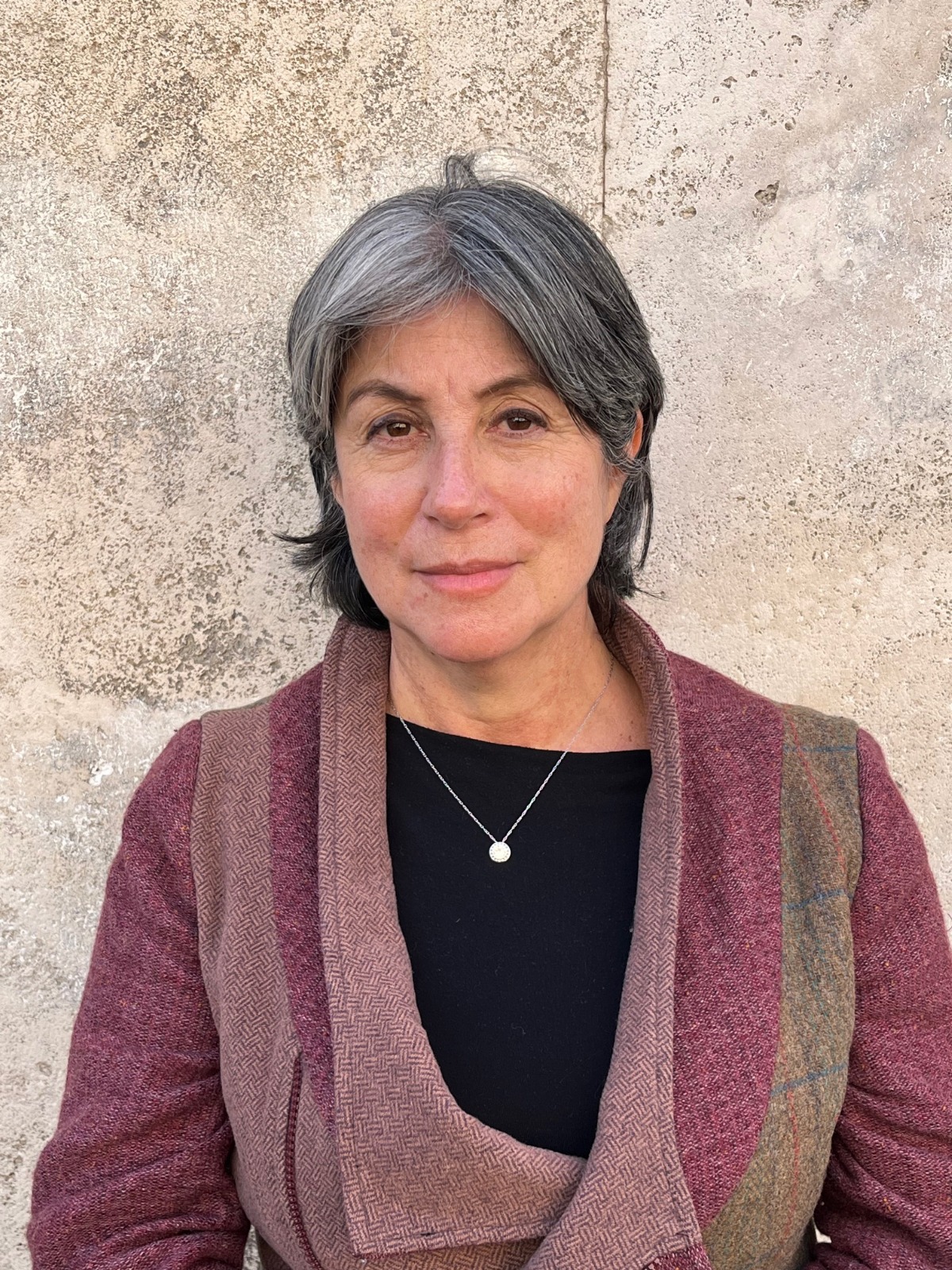
Andrea Galante, reflects on why food systems investments must be measured by their impact on children, not only by economic returns.
March 19, 2026.
After years at the intersection of food security, nutrition and policy, one lesson has become unavoidable: child hunger is rarely a simple food shortage. It is a systems failure, and it shows up first and most sharply in children’s lives.
Recently, one question has become my compass: What does this investment do to children?
Not whether it increases production. Not whether the value chain becomes more efficient.
Those metrics matter, but they miss the central test: whether food, climate and financing systems enable children to access affordable, healthy diets sustainably and over time. The urgency is clear, nearly 45 million children under five suffer from wasting, the most life-threatening form of malnutrition. Around one in three children globally is affected by malnutrition, whether undernutrition, micronutrient deficiency or obesity.
But children experience food systems not as statistics but as daily reality. Ananya, 10, from Sri Lanka, described the difference simply:
“If we didn’t receive school lunch, we’d be unable to focus on our studies.”
Bertha, only 5, from Malawi, shared a strikingly similar reality:
“If we stop getting porridge, we will start skipping school and losing focus in class.”
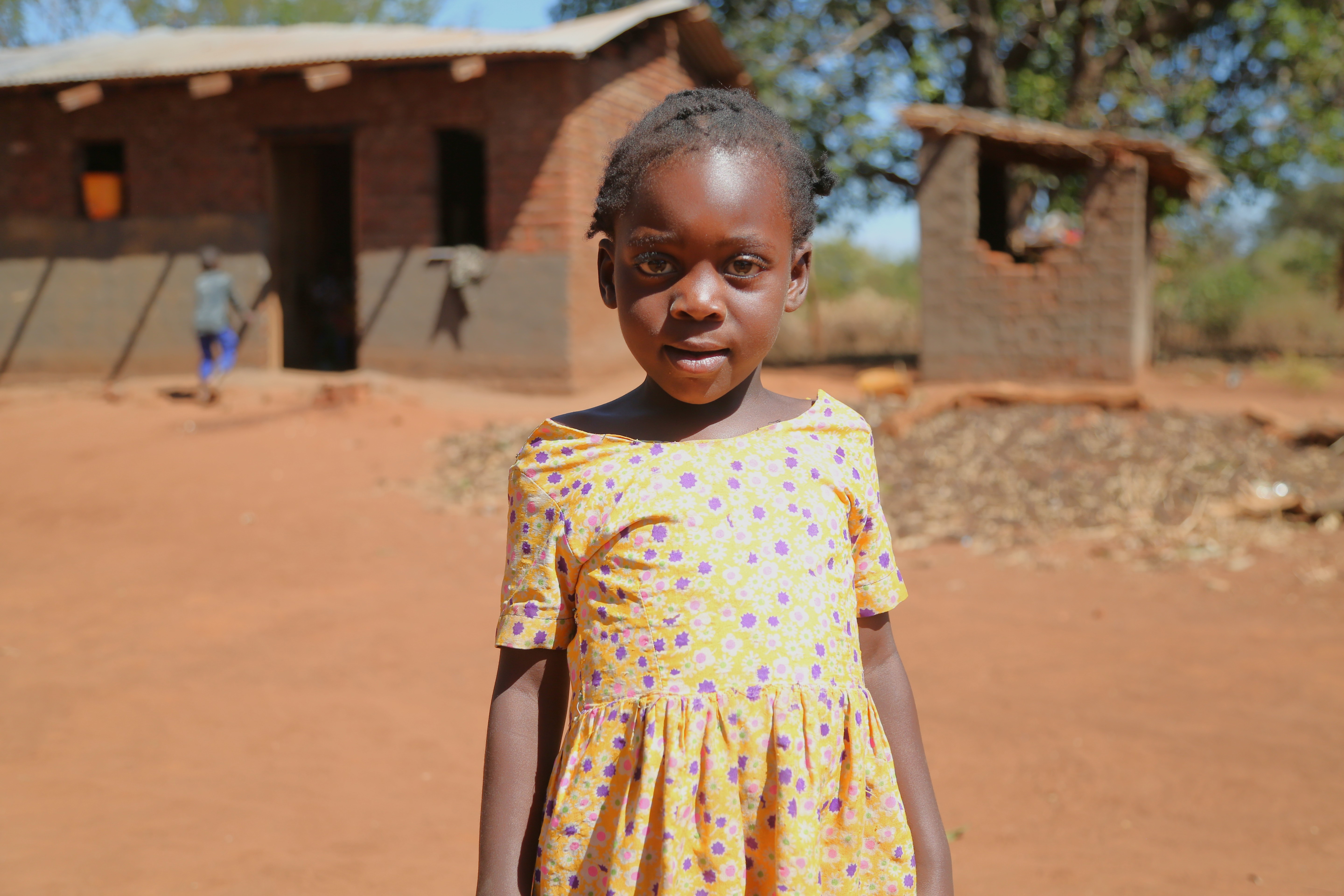
These testimonies are revealing: children can describe the immediate sensation of hunger, but they rarely understand that chronic undernutrition and micronutrient deficiencies are eroding their cognitive function and capacity to learn. Making that connection visible between daily hunger and long-term learning outcomes is precisely why we must align food systems, nutrition and education policies. Those moments reveal what food systems ultimately deliver or fail to deliver for children.
Why a child lens matters
A child lens is not a slogan. It is a discipline. It asks us to examine both the positive and negative effects investments may have on children. Even well-intentioned initiatives can create unintended harm when safeguards are weak, when markets exclude the most vulnerable families, or when risks are pushed down supply chains into households.
Many investments support children indirectly: livelihoods programmes that stabilise income, climate-smart agricultural practices that reduce risk, and financial services that help families manage shocks. These pathways are powerful but only when intentional and measurable.
Financial inclusion is central. Through VisionFund, the financial arm of World Vision, communities gain access to savings, credit and insurance. Delivered responsibly, these services reduce household vulnerability and help sustain food and nutrition choices for children.
For donors, the case is clear: investments that strengthen household resilience reduce long-term risks, protect human capital, and lower the costs of repeated humanitarian responses.
Confronting risks we often overlook
A child lens also forces us to confront risks too often ignored. Child labour persists in supply chains. Marginalised families may be excluded from markets or financial services. Food environments often promote cheap, nutrient-poor diets. Climate shocks disproportionately disrupt children’s health and development. Without safeguards, investments can strengthen parts of a system while weakening the child.
The Child-Lens Investing Framework (CLIF) provides structure. It integrates child considerations across strategy, due diligence, engagement and measurement, offering a classification system child-screened, child-inclusive, child-centred that clarifies intent and strengthens accountability. Shared language allows institutions to honestly assess their current position and identify improvement.
Starting with children
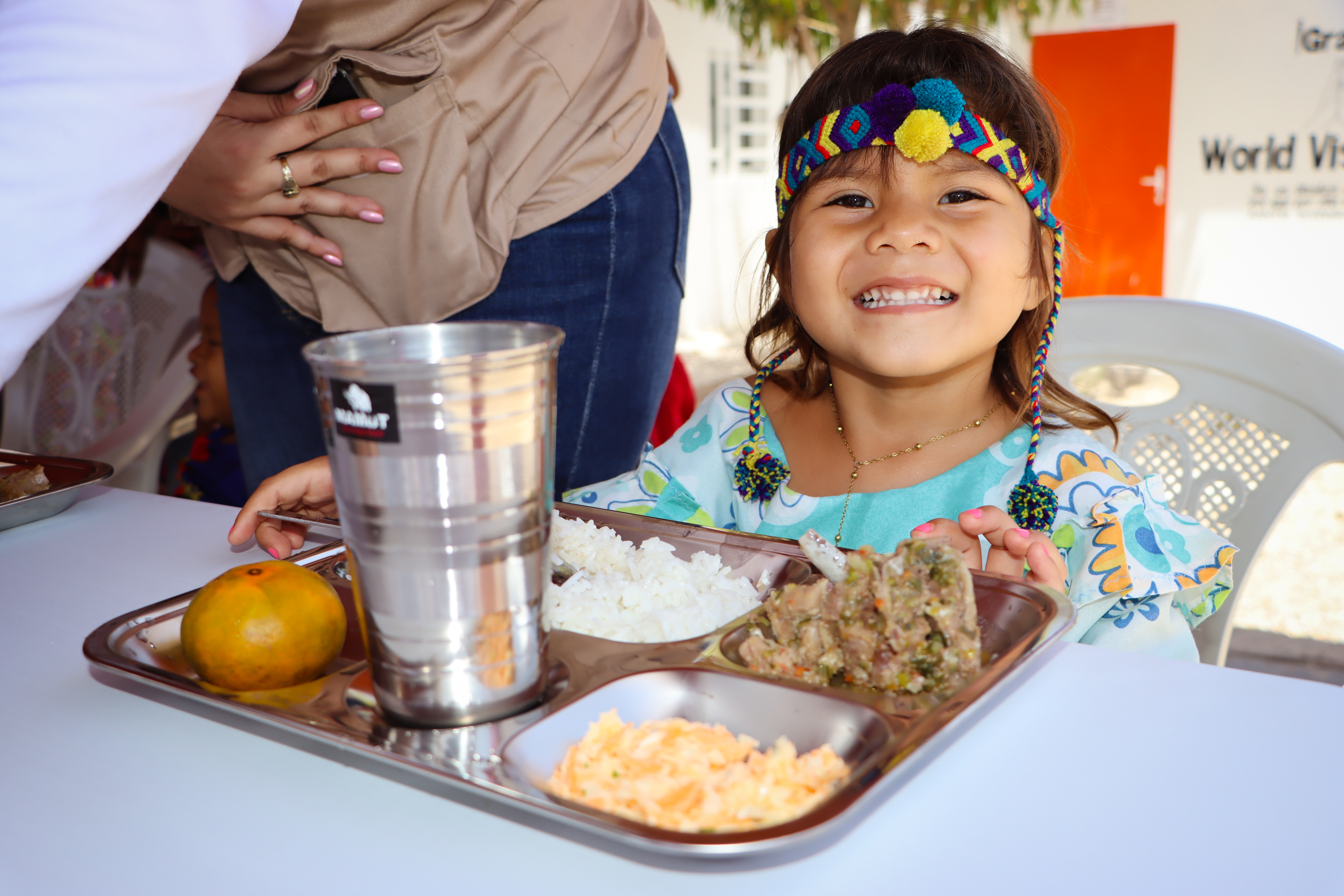
This approach aligns with initiatives such as the ENOUGH campaign led by World Vision, which places children at the centre of food systems decisions and frames malnutrition as a systemic failure.
Starting with children sharpens the agenda. Investments must now focus on outcomes that matter: affordable, nutritious diets; resilient households; livelihoods connected to stable markets including school feeding programmes; and safeguards to prevent harm.
When children are the reference point, complexity does not disappear. It becomes visible. Supply chains may expand, but only through this lens can we see if they reach the most vulnerable. Markets may operate efficiently, but only through this lens can we judge whether healthy food is affordable.
A child lens insists success is measured differently: not only through yields, transactions or market growth, but through whether children are nourished, protected and able to learn.
The challenge, therefore, is not only to invest more in food systems but to invest more intentionally. Align finance, policy and accountability around outcomes that matter for children. Build safeguards that prevent harm while strengthening pathways that support caregivers. Measure success through human impact, not system efficiency alone.
When that shift happens, food systems transformation moves from aspiration to practical agenda, grounded in the lived experiences of children. They reveal whether investments translate into healthier diets, whether households withstand shocks, and whether communities build futures that protect the next generation.
What does this investment do to children?
If we begin there, the direction becomes clearer. Investments move closer to what food systems were always meant to deliver: a world where children are healthy, nourished and able to thrive.
Andrea Galante is a Senior Advisor for Coalitions and Global Partnerships at World Vision International, bringing together governments, organisations, and communities to confront the root causes of child hunger and malnutrition. With over 30 years of experience in nutrition and food systems including 15 years with UN agencies across more than 30 countries, she blends technical rigor with a deep commitment to children’s well-being. A former President of the Brazilian Nutrition Association, she holds a Master’s and PhD in Nutrition and is driven by a simple conviction: no child should grow up hungry.
Subscribe to see more content like this
Related Resources

A Just Transition Cannot Succeed While Children Go Hungry

When Coordination Becomes Survival: Aligning Action for Haiti’s Children
