

When Coordination Becomes Survival: Aligning Action for Haiti’s Children
Dana Buzducea reflects on escalating child vulnerability in Haiti and the Fast-Track strategy advancing coordinated solutions through the Global Alliance Against Hunger and Poverty.
February 26, 2026
Haiti’s crisis has entered a new and dangerous phase. Child vulnerability is accelerating faster than traditional humanitarian responses can adapt. Hunger, displacement and violence are converging, steadily compressing childhood itself. What is now at risk is not only stability, but time. The window for recovery is closing by the day, shrinking the space to prevent deeper and potentially generational harm.
A fragile context, accelerating risk
Since February 2024, coordinated gang violence has paralysed Port-au-Prince and disrupted major transport corridors, isolating communities and sending food prices sharply upward. A staggering 90% of Haiti’s population lives in poverty. 5.7 million people face acute food insecurity, including almost 130,000 children under five suffering acute malnutrition. When hunger collides with fear, growth falters, learning stalls and development reverses.
These numbers only hint at the lived reality. In once-thriving neighbourhoods, children remain indoors to avoid stray bullets. Families are torn apart. Many children endure sleepless nights and recurring nightmares, a quiet testament to trauma made every day. As Catherine Russel, UNICEF Executive Director captured in one sobering sentence:
"Children in many parts of Haiti are subjected to atrocities no child should ever have to experience”.
Children as the shock absorbers
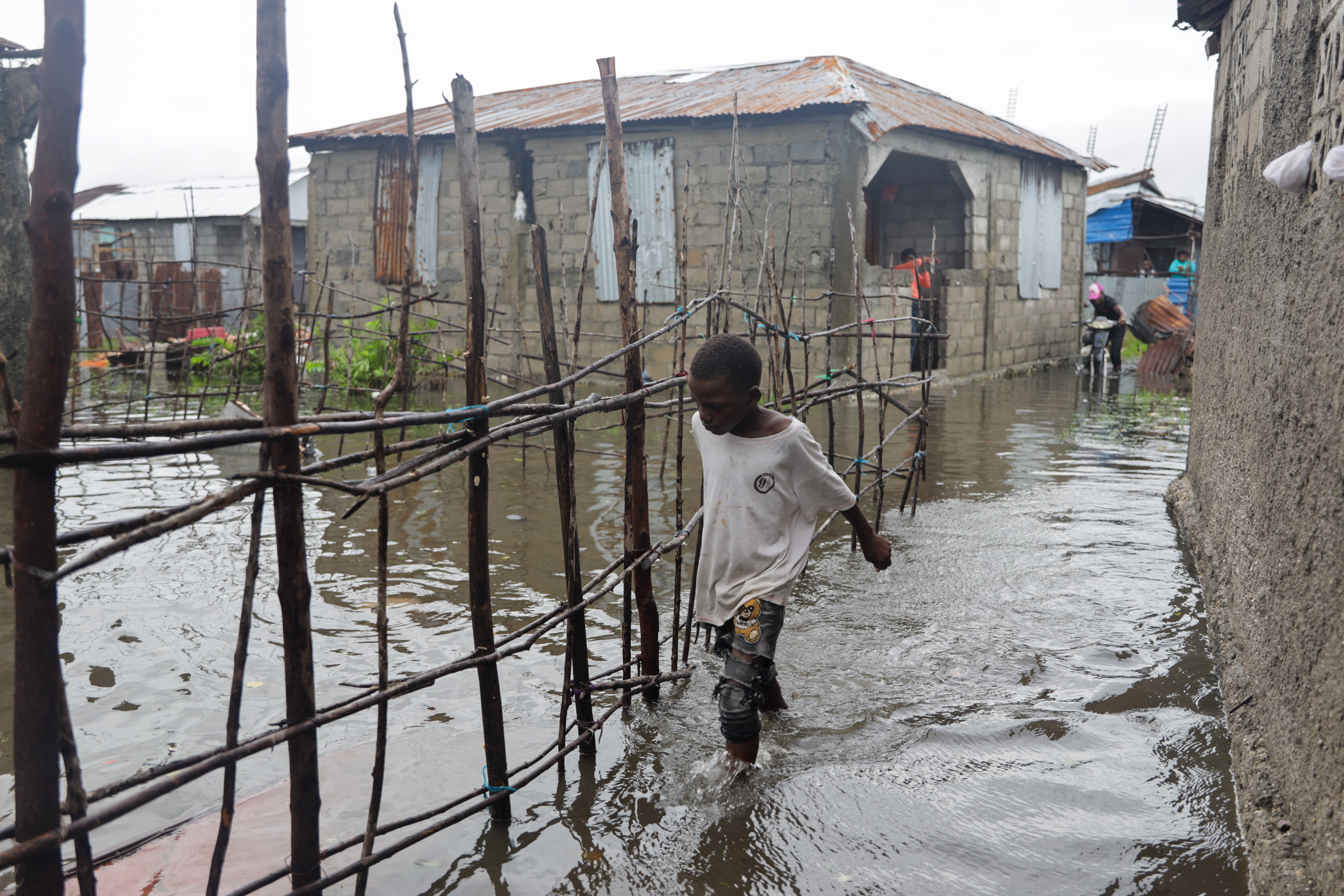
In fragile settings, children invariably bear the heaviest burden. When markets close and livelihoods collapse, school attendance falls. When displacement rises, protection risks multiply. When food prices spike, nutritional intake declines first for the youngest and poorest.
In Haiti, the scale of violence and forced displacement affecting children is unprecedented. Violations against children rights increased 490% in 2024, while recruitment by armed groups surged 70%. These are not marginal shifts, they signal a profound erosion of protective norms. Children are no longer collateral victims. They are being drawn directly into the machinery of instability. Childhood itself is being compressed under violence, coercion and fear.
Evidence amid adversity
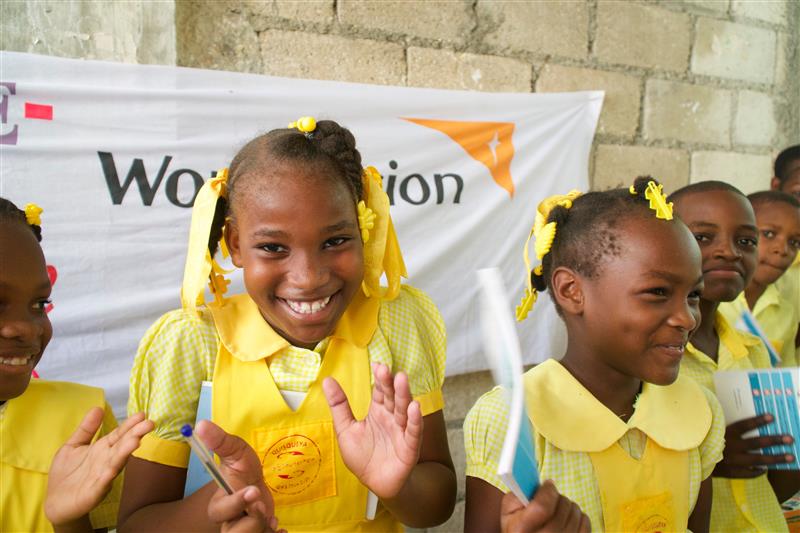
Despite immense constraints, progress is demonstrable. Over the past year, World Vision reached 567,000 of the most vulnerable people in Haiti. Treatment for acute malnutrition achieved recovery rates above 98%. More than 14,000 children received daily school meals, safeguarding both nutrition and attendance.
These outcomes are not accidental. They show what works: direct investment in nutrition, resilient livelihoods, school feeding and safety nets. When families are supported comprehensively, children recover and stability, fragile though it may be, begins to re-emerge.
This commitment is reinforced through World Vision’s ENOUGH campaign, which seeks to end child hunger, recognising the cross-border dimensions of displacement and vulnerability. ENOUGH is not a slogan; it is an operational commitment grounded in the conviction that every child and family should have enough food to thrive
A Fast-Track route to scale
Haiti is one of six Fast-Track countries under the Global Alliance Against Hunger and Poverty, benefiting from a framework designed to guide the development of a nationally led plan to reduce hunger, alleviate poverty and strengthen climate resilience. The Fast-Track approach provides a structured pathway for aligning development and climate finance, moving beyond fragmented interventions toward coordinated, accountable action at scale.
By endorsing the Belém Declaration, Haiti has signalled its intent to eliminate hunger and malnutrition. The critical next step is to ensure that this framework is fully translated into concrete plans and financing, so political commitment delivers measurable, tangible impact for children and families.
Aligning dialogue with action
Haiti demonstrates how quickly child vulnerability intensifies when insecurity, climate stress and economic fragility intersect. What were once cyclical shocks have hardened into a continuous emergency. In such a context, fragmented funding and short-term pledges are not simply inefficient, they are structurally inadequate.
A more robust global dialogue on financing, paired with tighter coordination under the Alliance’s leadership, is essential to scale solutions that break the cycle of poverty for children. If the Fast-Track plan delivers tangible reductions in hunger and malnutrition, it will prove that integrated, accountable financing can operate even under extreme instability.
For policymakers, development finance institutions and partners, the conclusion is clear. Sustained, multi-year investment aligned with Haiti’s national plan is essential to stabilising a generation at risk and preventing further instability.
Children cannot wait for incremental adjustments. Their exposure to hunger, displacement and exploitation is rising in real time. The interventions that reduce malnutrition, strengthen livelihoods and protect children are well understood. The frameworks exist. The decisive step now is to convert political endorsement into predictable resources, rigorous execution and transparent accountability. Ending hunger in Haiti will not resolve every dimension of fragility. But stabilising childhood is foundational to long-term recovery and national resilience.
With over 30 years of experience, Dana Buzducea is World Vision International’s Partnership Leader for Advocacy and External Engagement, where she leads global efforts to influence child-sensitive social protection policies, strengthen government and multilateral investments and advance both the Sustainable Development Goals and the Convention on the Rights
Subscribe to see more content like this
Related Resources

What 2026 Could Mean for Children’s Future

Justice begins when no child goes hungry
