

When a Healthy Diet Costs More Than a Family Earns.
Andrea Galante, reflects on why food systems should no longer be judged by the number of people they keep alive, but by whether they enable every child to eat a healthy diet.
July 27, 2026.
The State of Food Security and Nutrition in the World 2026 brings a figure that could, at first glance, be read as progress: the number of people facing hunger fell to 645 million in 2025, down from its peak in recent years. On paper, hunger is retreating.
But that headline masks a more important reality. Fewer people may be going to bed hungry, but reducing hunger is not the same as ending it. And even a world free from hunger would not necessarily be a world free from malnutrition. Today, 2.69 billion people cannot afford a healthy diet. That fact should prompt us to rethink how we define progress. Hunger metrics tell us whether people have enough calories to survive; they do not tell us whether children have the nutrients they need to grow, learn, and reach their full potential.
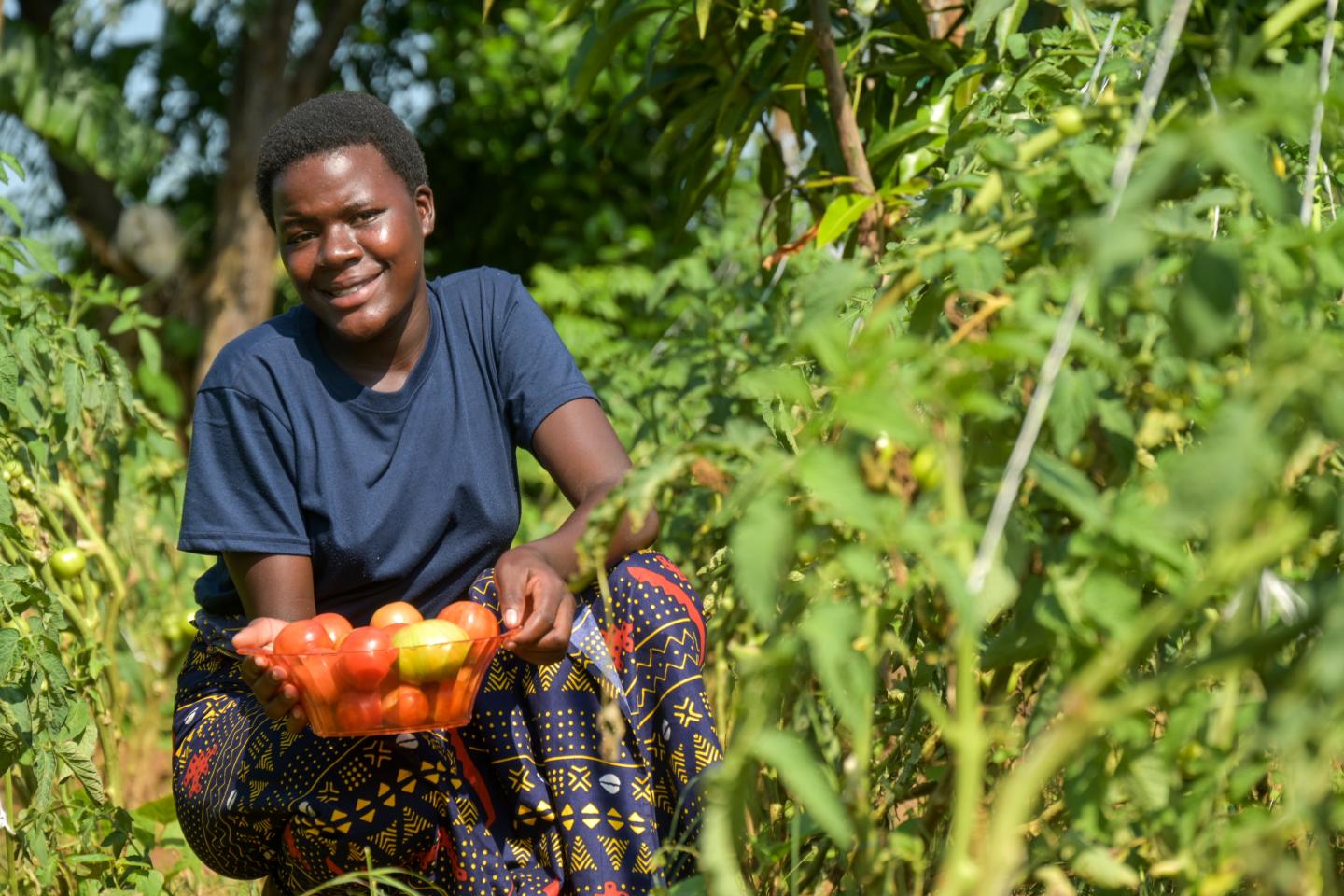
The global average cost of a healthy diet reached USD 4.28 per person per day in 2025, around 40 percent higher than the international extreme poverty line. For millions of families, this means a healthy diet is financially out of reach before conflict, climate shocks, or economic crises even enter the equation.
A fragile improvement threatened on three fronts
The SOFI 2026 report identifies three compounding forces that risk reversing even these fragile gains:
- The 2026 Middle East conflict has driven energy and fertiliser prices up by more than 50%, raising the cost of nutrient-dense foods, fruits, vegetables, animal source foods; far more than staple crops, because these foods depend on cold chains, processing, and transport.
- Cuts to official development assistance and humanitarian funding are removing the primary safety nets for the populations least able to absorb that inflation.
- And climate extremes, particularly El Niño events, are reducing agricultural productivity and driving price spikes for precisely the foods children most need.
Africa sits at the intersection of all three threats. Without a decisive change in investment and policy direction, projections show between 510 and 520 million people still facing hunger in 2030, 56% of them in Africa.
A decline in hunger is not the same as food security
The distinction matters enormously. A child who receives enough calories to avoid undernourishment, but whose diet consists mainly of staple grains with little protein, no eggs, no vegetables, and no fruit, does not show up as hungry in global statistics. Yet that child is almost certainly stunted, at risk of anaemia, and robbed of the cognitive development that a diverse diet supports.
The data confirms this. Fewer than one in three children aged 6–23 months consume a minimally diverse diet globally, meeting just 5 of the 8 food groups that healthy development requires. In Africa, the figure falls to 1 in 5. These are evidence of food systems that deliver calories far more effectively than they deliver health.
The cost of a healthy diet is therefore more than a food price indicator. It is one of the clearest measures of whether food systems are delivering what children actually need. And right now, they are not. In Africa, where 309 million people face hunger and 2 in 3 cannot afford a healthy diet, the share of people priced out of nutritious food is not falling. It is rising.
Children experience these choices every day
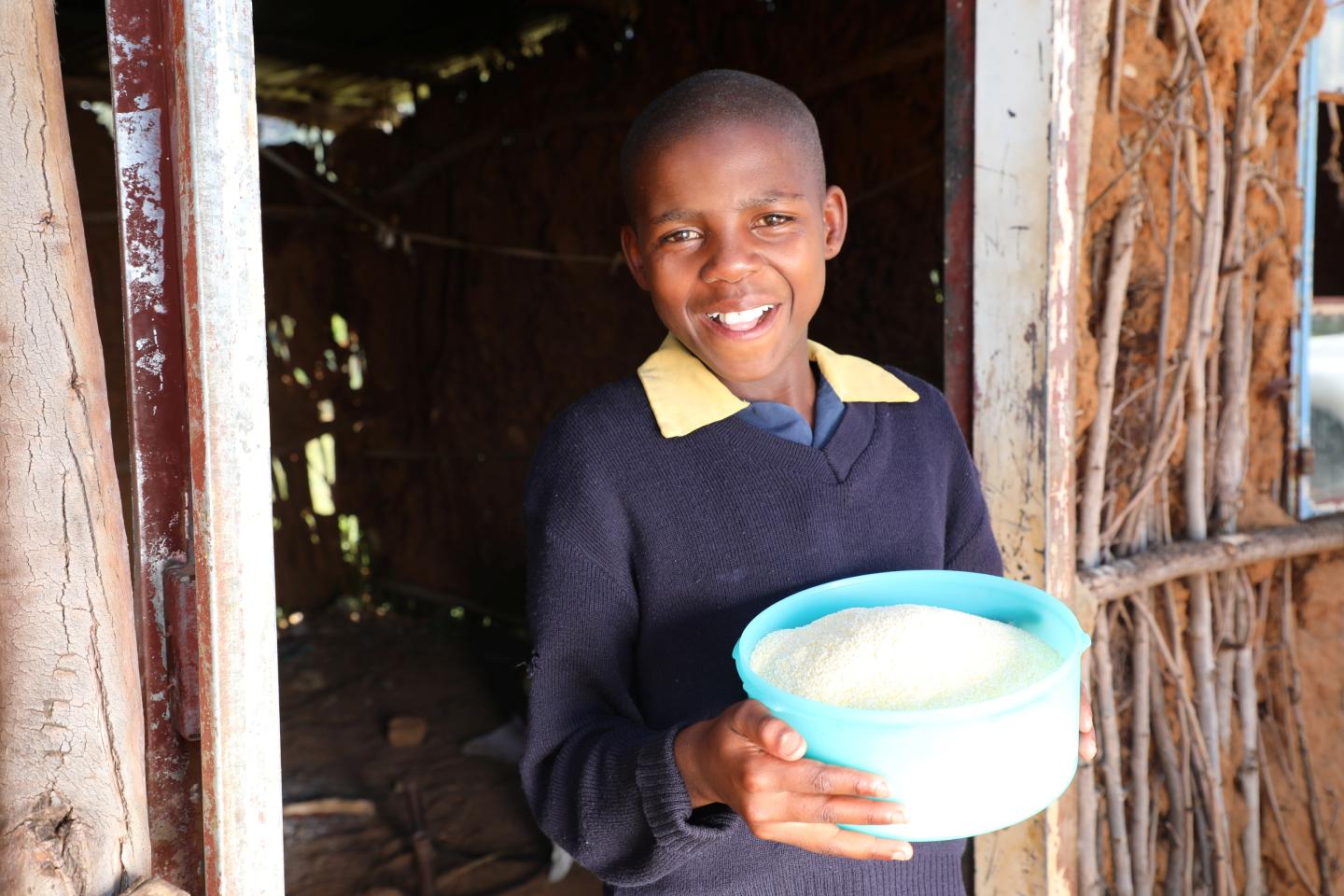
Karabo, a 13-year-old girl in Lesotho, remembers what it felt like when there simply was not enough food at home.
"I remember a day I had to sleep without a meal. I was very hungry, but I had to understand when my mother told me there was nothing to eat."
Through World Vision's Livelihood and Resilience Programme, local farmers received support to grow maize and beans, with the harvest shared among vulnerable households. Karabo's family received 50 kilograms of maize and beans, providing immediate relief while strengthening local agricultural production.
"Since receiving the food, my mother has never told me there is no food. I always have my meals when it is time to eat."
Her story is not simply about food assistance. It demonstrates what becomes possible when investment strengthens local food systems alongside families' resilience. This is also the thinking behind ENOUGH, World Vision's global campaign to end child hunger and malnutrition. At its heart, ENOUGH recognises that child hunger is not primarily a production problem. The world already produces enough food. The challenge is that too many food systems fail to make healthy diets available, affordable, and accessible for children.
What transformation requires
Progress should be measured by whether every child can eat a healthy diet every day. Achieving this requires food systems that prioritise children: investing in diversified, climate-resilient agriculture, strengthening local markets, and ensuring healthy foods are affordable and accessible. It also requires social protection measures, such as Home-Grown School Feeding and cash transfers, that help families protect children's diets during times of crisis.
As FAO Director-General, QU Dongyu recently observed:
“The report shows that progress is possible, but we must move faster. Ending hunger and making healthy diets affordable requires political commitment, sustained investment and enabling policies”.
The Global Alliance Against Hunger and Poverty has a unique opportunity to accelerate this shift. But success cannot be measured by calories, tonnes of food produced, or the number of people reached alone. It must be judged by whether children can access the diverse, nutritious diets they need to grow and thrive.
We know what works: resilient local food systems, effective social protection, and policies that put children's needs at the centre. What remains is the political will to make every child's right to a healthy diet the true measure of progress.
About the Author:
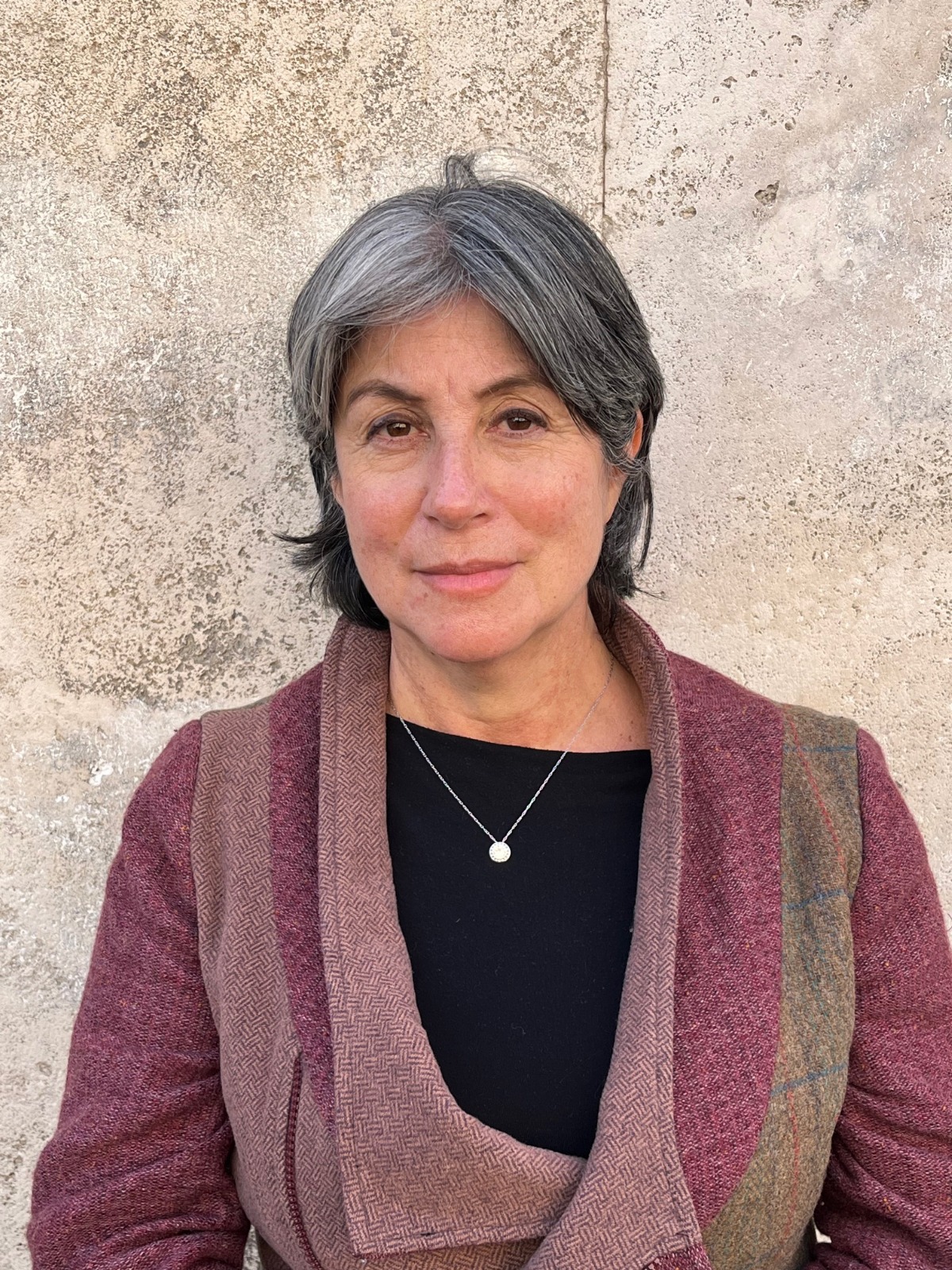
Andrea Galante is World Vision’s Senior Policy Advisor on Food Security and Nutrition, Advocacy, and External Engagement, with over 20 years’ experience driving global advocacy and policy across the UN, G7, and G20. She has held senior roles at FAO and WFP, and previously served as Professor of Nutrition and Master’s Programme Coordinator at Centro Universitário São Camilo.
Subscribe to see more content like this
Related Resources

ENOUGH Means Delivery: Turning Global Promises into Meals on Children’s Plates

Building Nutrition Systems Beyond Products
