

Why Children Must Be Central to the Global Humanitarian Agenda
Lora Boll, a Humanitarian Policy and Advocacy Advisor, World Vision International, highlights how children remain sidelined in global humanitarian decision-making and financing despite bearing the brunt of conflict, climate shocks and funding cuts. Lora argues that centring children’s rights, voices and services is not only a moral imperative but one of the most cost‑effective ways to build stable, resilient societies.
Across the world, children bear the worst impacts of human rights violations, armed conflict, rising inequality, and climate change, and more than 200 million children are expected to need humanitarian assistance in 2026.
However, children’s rights, needs, and perspectives are missing from the humanitarian agenda and regularly deprioritised. In this era of shifting geopolitical dynamics and humanitarian reform, few decision-makers are asking how the emerging global order and changes to the humanitarian system will affect children, and even fewer are inviting children to collaborate in decision-making processes.
Children Face Growing Risks
Children in fragile contexts today face astronomical risks, worsening conditions, and shrinking opportunities.
Nearly half of the world’s children live in countries facing an extremely high risk of climate hazards. Recurring drought, floods, and heat waves are exacerbating existing vulnerabilities, damaging property and livelihoods, and chipping away at resilience over time.
At the same time, over 1 in 5 children live in conflict zones, where the daily risk of violence disrupts safety, learning, and access to basic needs. The number of grave violations against children, including abduction, recruitment by armed forces, sexual violence, killings, and attacks on schools and hospitals, has swollen drastically in recent years. 17% more children endured grave violations in 2024 compared to 2023 due to a record 41,000 incidents, and preliminary data from 2025 suggests this upward trend is continuing. Children in conflict zones often experience violence, hunger, displacement, family separation, economic privation, and trauma, with long-lasting negative effects.
Despite their immense capacity for resilience and special protections under international law, children remain particularly exposed to risks during crises. However, access barriers in many contexts separate children from basic services, children’s priorities rarely shape decisions, and funding flows largely sideline child-focused interventions.
This is unacceptable. The global humanitarian agenda must shift to centre children as rights-holders with dreams for the future and valuable ideas to strengthen their communitie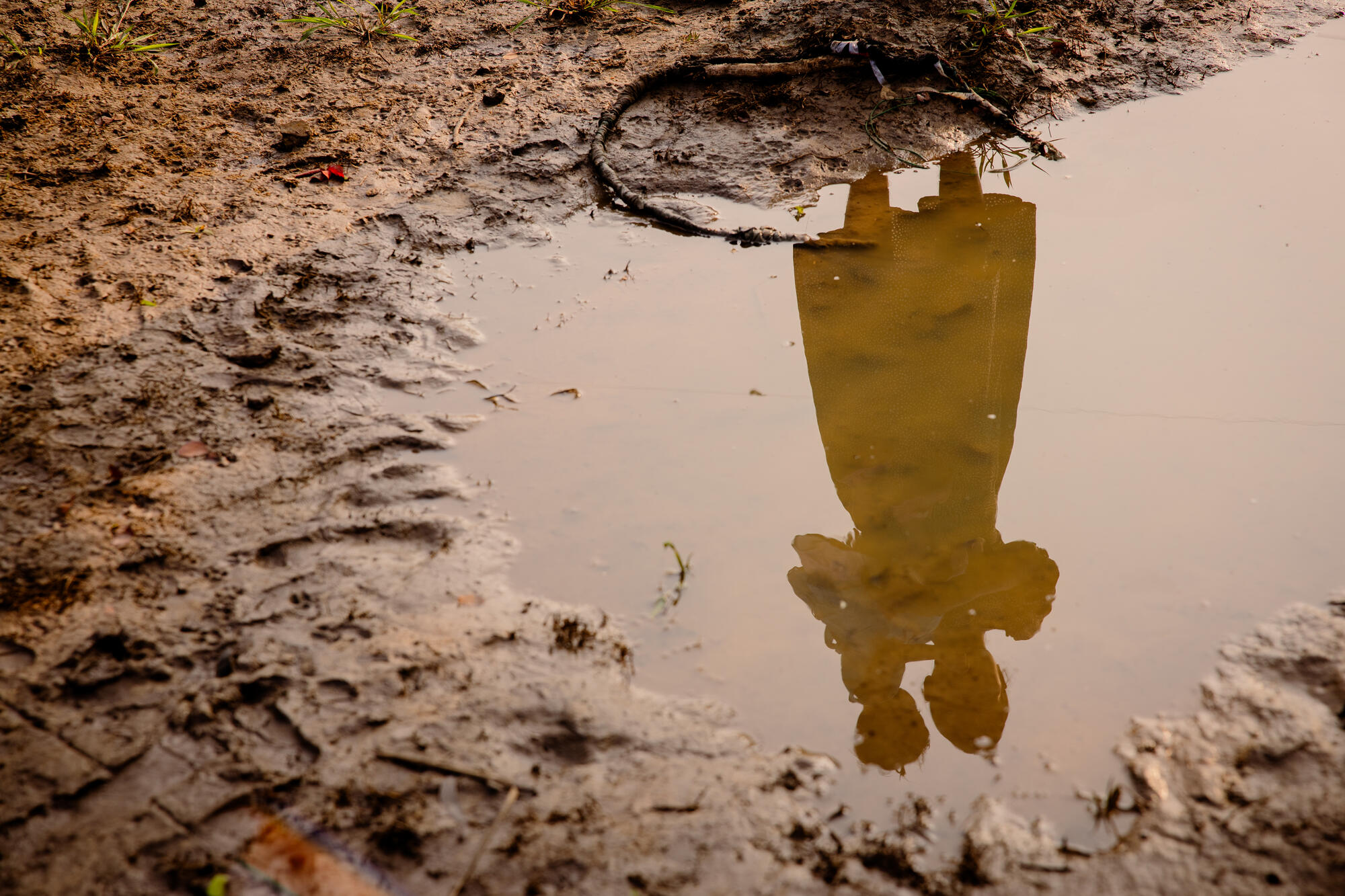
Funding Cuts are Side-lining Children’s Priorities
Prioritising children begins with choosing where to invest precious resources.
Protecting, nurturing, and empowering children before, during, and after humanitarian emergencies has never received adequate funding. In 2025, however, the child-focused humanitarian sectors, education and child protection, received only 6.6% of total humanitarian financing.
As foreign aid shrinks, the deficit between identified needs and available resources is widening, especially for children, with devastating consequences. Recent cuts to Official Development Assistance (ODA) from the United States alone could cause the deaths of more than 5.4 million children under five by 2030.
Steep funding contractions and an increasingly myopic focus on specific sectors and contexts are forcing humanitarian organizations to tighten their belts. In this context, child-focused interventions, often among the most cost-effective pathways for sustainable impact, are increasingly slipping out of focus, along with the technical capacity and overhead for child-focused activities. These reductions threaten programming components, such as child participation and child-friendly accountability mechanisms, risking the exclusion of children’s voices from the humanitarian programming cycle.
The Benefits of Prioritising and Investing in Children
At the same time, a growing body of evidence shows the wide-ranging benefits of listening to, including, and investing in children, especially in fragile contexts. Every $1 invested in children through ODA yields $10 in returns through multi-sectoral benefits.
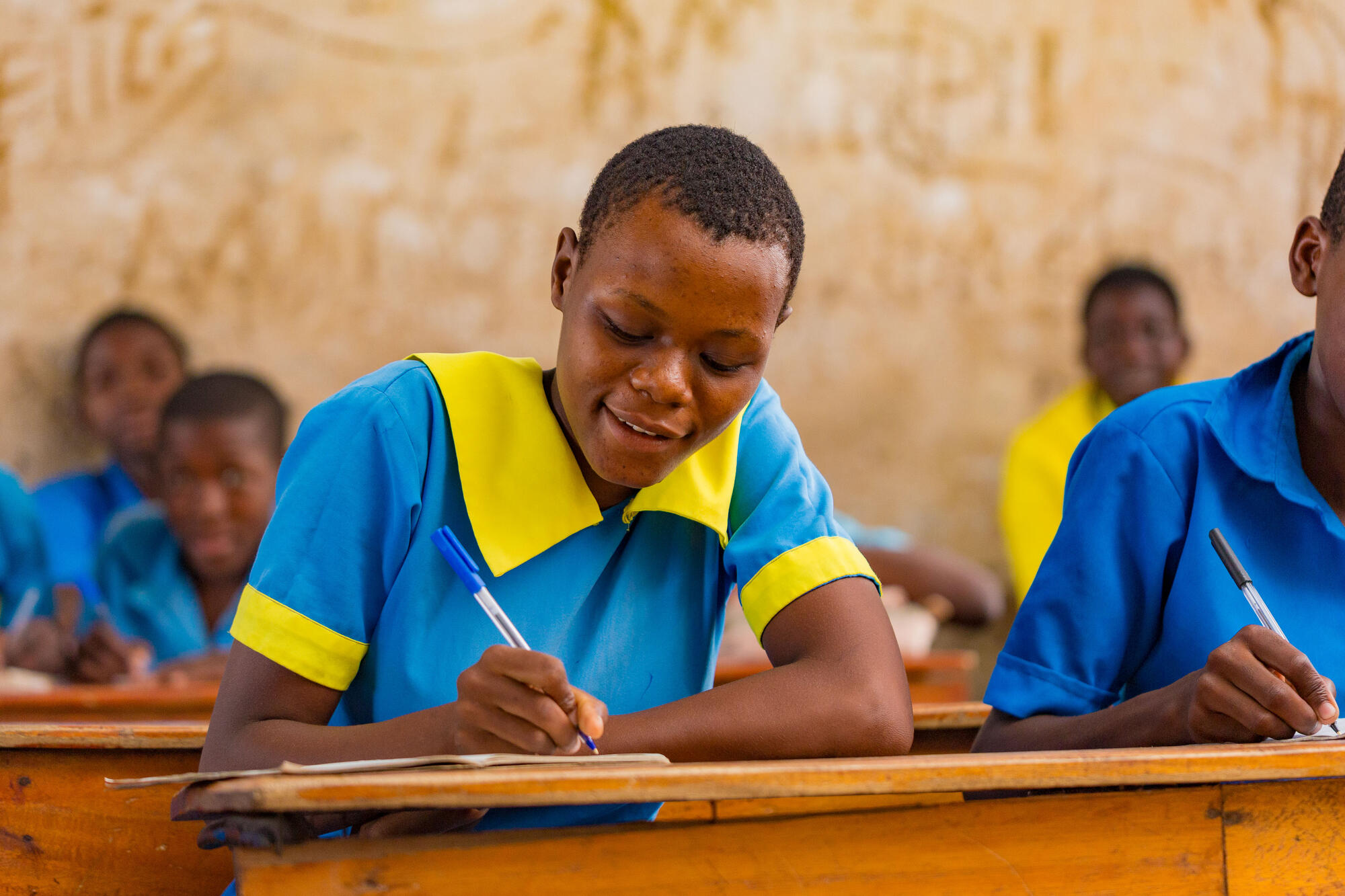
In humanitarian contexts, education provides vital protection, stability, and opportunities for children, while enhancing social cohesion and reducing the risk of future violence. Educational achievement also contributes significant economic benefits. For example, each additional year of schooling can increase a girl’s future earnings by up to 20%.
School feeding, a crucial safety net for children in crisis settings, yields between $7 and $35 for every $1 invested through positive outcomes across education, food security, protection, environmental sustainability, and mental health. Resources spent on nutrition can generate returns as high as 23 times the original investment, while averting $41 trillion in global costs over ten years. Further, children who receive sufficient nutrition have a 33% higher chance of overcoming poverty in adulthood.
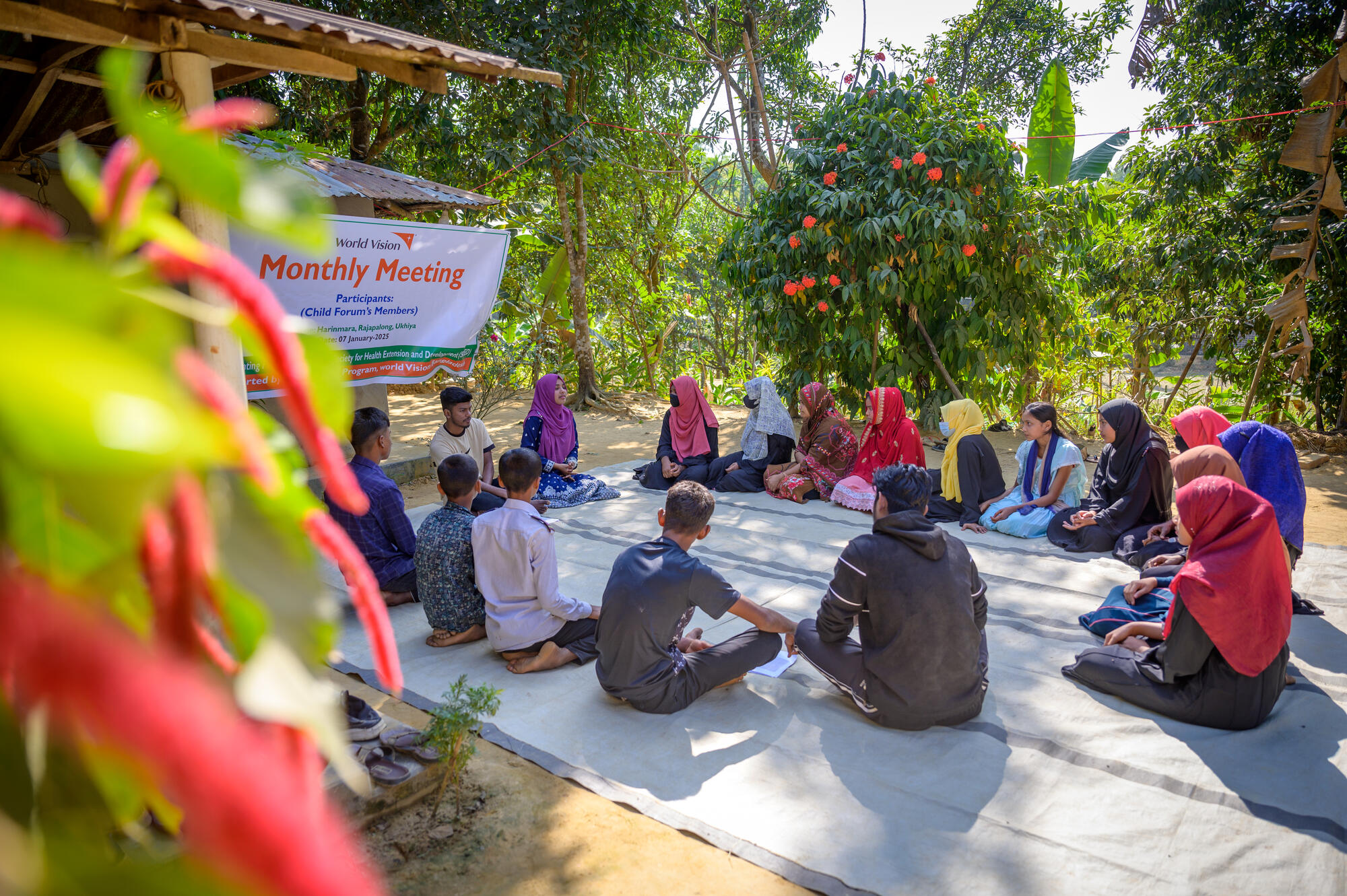
Beyond economic returns, however, child-focused programming secures holistic benefits for children, families, and entire societies. Child participation throughout the humanitarian programming cycle makes humanitarian action more responsive, relevant, and effective, maximizing impact with limited resources. When children identify risks and design solutions, those solutions better match the challenges they experience. Partnering with children and youth throughout the humanitarian response cycle also allows them to exercise leadership skills, strengthen peer support networks, and realize their visions for the future.
The Economic and Social Costs of Excluding Children
The costs of deprioritising and excluding children are similarly immense. By side-lining children’s priorities, we not only miss out on significant, multidimensional benefits but also perpetuate long-term negative outcomes for children, families, and communities in crisis.
Nutrition: Malnutrition is a significant contributor to child mortality. Yet last year’s 44% reduction in funding for the nutrition sector abruptly ended treatment for around 2.3 million children worldwide. During childhood, rapid cognitive and physical development occurs, and nutritional deficiencies during infancy, early childhood, and adolescence can cause irreversible developmental delays and lifelong cognitive and physical challenges. The economic cost of stunting alone in low- and middle-income countries is estimated at $264 billion in private sector losses each year.
Child Protection: When investment in child protection plummets, the resulting exposure to violence, abuse, and exploitation and heightened risk of child marriage, child labour, and conscription can instigate multi-generational effects on development, mental health, economic participation, and social engagement. In economic terms, the price for failing to protect children from violence can reach 11% of a country's GDP each year.
Mental Health: Chronic exposure to violence, displacement, and other traumatic experiences during childhood also contributes to long-term physical, cognitive, and social consequences. Without appropriate interventions, childhood adverse experiences and chronic toxic stress produce permanent changes in the brain structure linked with later impairments in learning, behaviour, health, and mental well-being.
Education: After a $3.2 billion (24%) drop in international education funding in 2025, an additional 6 million children are expected to be out of school in 2026, 30% of these in crisis settings. Funding cuts have resulted in closed schools and learning centres, teacher shortages, and a lack of learning supplies such as books, blackboards, and desks. When learning centres close, children also miss out on critical services attached to education, such as school meals, clean water, hygiene supplies, healthcare, and safe spaces. The global cost of missed education opportunities for girls alone is estimated at between $15 and $30 trillion.
 Prioritising Children is Central to Creating a Stable, Just, and Sustainable Future
When children’s rights are denied, either through grave violations in conflict zones, insufficient funding for assistance, humanitarian access constraints, or exclusion from decision-making, well-documented negative consequences follow. Including and investing in children in humanitarian settings is critical to effectively address needs, build resilience, and foster hope.
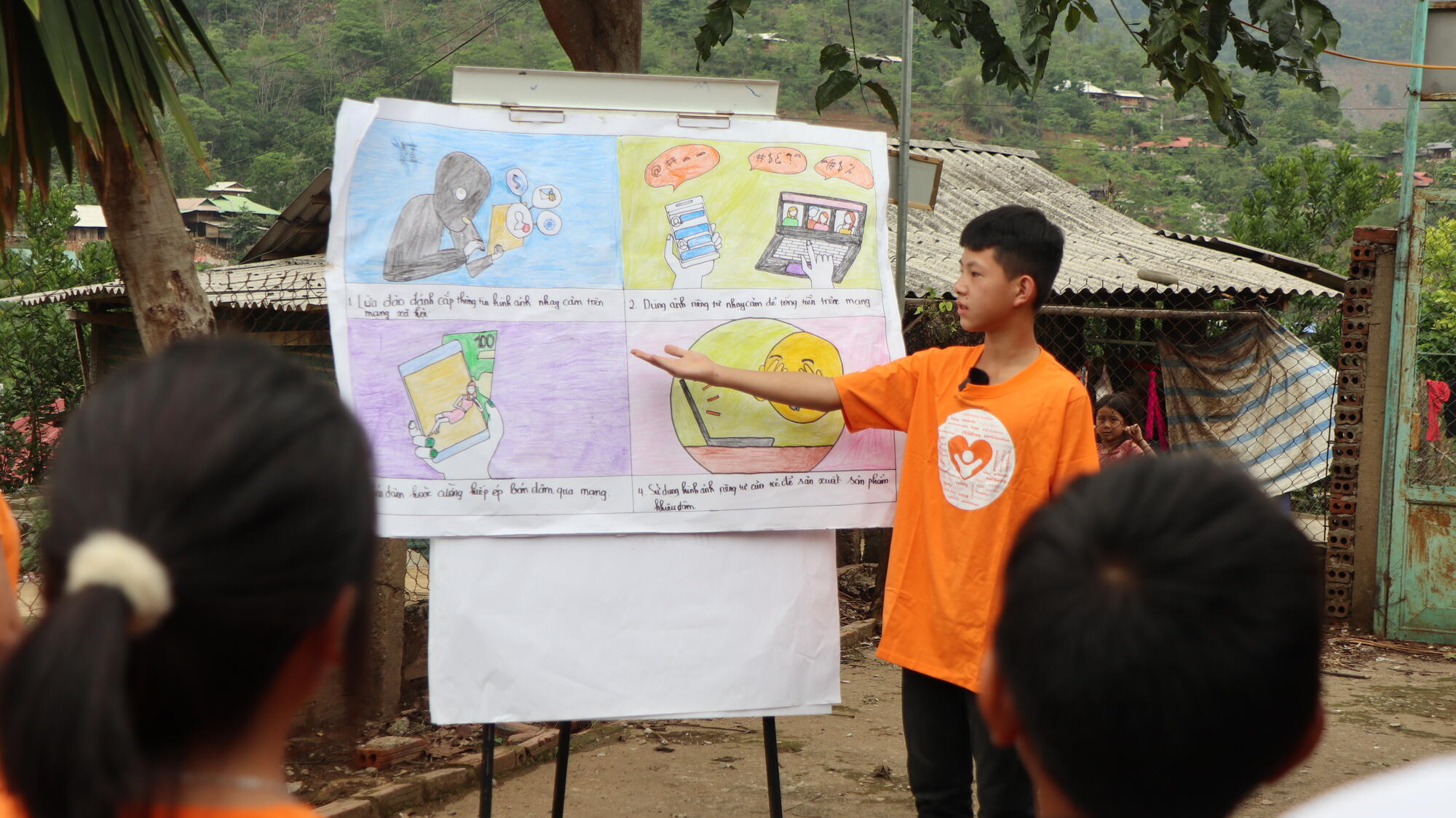
World Vision’s humanitarian action revolves around empowering children to overcome the challenges they face and experience fullness of life. In 2025, we supported over 18 million children with multi-sectoral humanitarian assistance, including food, healthcare, education, child protection, and cash assistance. Child participation forms a core facet of World Vision’s work globally and includes children’s collaboration in program design, child-friendly feedback mechanisms, child-led advocacy, children’s advisory councils, and other child-led initiatives. Children’s perspectives influence all levels of decision-making across the World Vision Partnership, and children report that this participation generates a sense of agency, greater awareness of rights, improved communication skills, increased confidence and self-esteem, and enhanced problem-solving.
As humanitarians, donors, and governments, we need to take a long-term perspective when allocating resources and choosing approaches to humanitarian action, a perspective, that prioritises child-focused, evidence-based approaches that address not only immediate needs but generate cost-effective, transformative results that stretch across lifetimes. To achieve these ends, we must work collaboratively across the humanitarian ecosystem to:
- Expand quality funding for child-focused programming and accountability to children;
- Protect children and their rights during humanitarian emergencies and promote adherence to international humanitarian law;
- Ensure all children have access to humanitarian assistance and the services they need to learn and grow with dignity;
- Prioritise children in humanitarian reform processes by meaningfully including children’s voices in decision-making; and
- Institutionalise mechanisms for child participation and accountability to children across the humanitarian system.
Childhood offers a window of opportunity to initiate long-lasting, multi-generational patterns of health, stability, participation, connection, and growth. We must ensure our decisions today promote the best possible outcomes for everyone by listening to and acting on children’s ideas, protecting their rights, and investing in their well-being.
About the author:
Lora Boll, is a Humanitarian Policy and Advocacy Advisor at World Vision International, advancing child‑focused humanitarian action through evidence‑based policy, advocacy, and high‑level engagement with donors and partners. With five years’ experience across humanitarian policy, research and programme implementation, she brings strong analytical and technical expertise to shaping humanitarian reform and responses.
Subscribe to see more content like this
Related Resources

"The community is no longer recognizable" | Nepal Flash Floods Response 2026

Community Support for Breastfeeding Gives Children a Healthy Beginning