publication / March 17, 2026
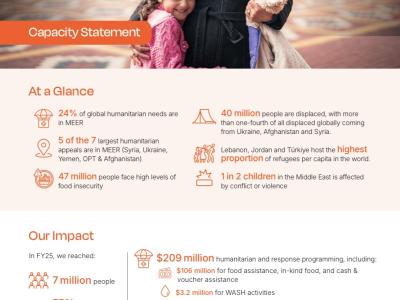
Disaster Management
MEER faces some of the world’s most complex and protracted humanitarian crises. Shifting
conflict dynamics, climate shocks, and economic deterioration continue to drive multi-layered
and chronic needs. Despite the volatile context, shrinking funding and civic space, and access
challenges, World Vision has maintained operational presence and scaled up humanitarian
programming across the region for more than five decades.
publication / March 17, 2026
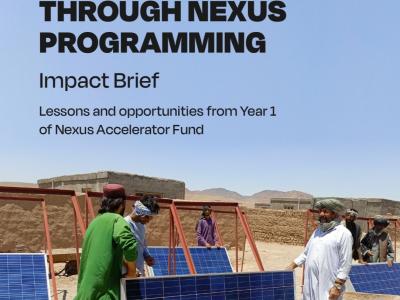
BUILDING RESILIENCE THROUGH NEXUS PROGRAMMING
Nexus drives impact in fragile contexts by linking aid, development, and peacebuilding to save lives, strengthen systems, and build lasting resilience.
article / March 19, 2026
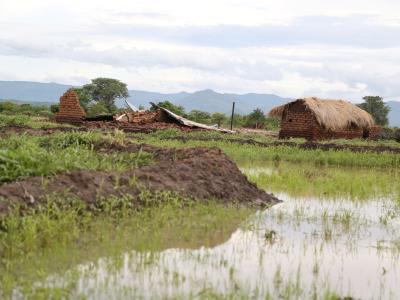
World Vision Malawi Monitoring Heavy Rains and Ready to Respond
Malawi experiencing heavy rainfall and flooding
publication / March 18, 2026
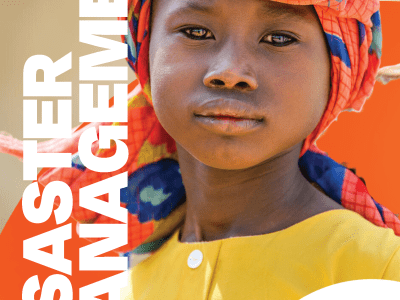
Disaster Management in West Africa: 2026 Capacity Statement
World Vision is a leading humanitarian actor in West Africa, delivering timely, accountable support to children and communities affected by crises.
publication / March 17, 2026
World Vision's Approach to Localisation
World Vision’s localisation approach promotes locally led development and humanitarian action through equitable partnerships, shared power, and community leadership.
publication / March 23, 2026
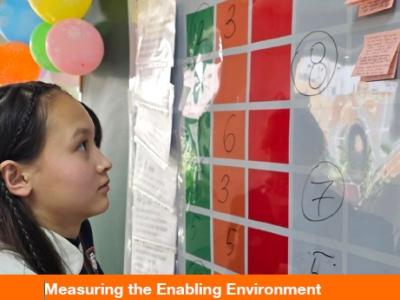
Measuring the Enabling Environment of Children's Groups
A Technical Report on research data from Cambodia and Mongolia, measuring the enabling environment of children's groups.
publication / March 18, 2026
FAITH-SENSITIVE, CHILD AND COMMUNITY-LED PROGRAMMING
World Vision partners with faith actors to improve child well-being, strengthen families, build resilience, and reduce harmful norms in vulnerable communities.
publication / March 17, 2026
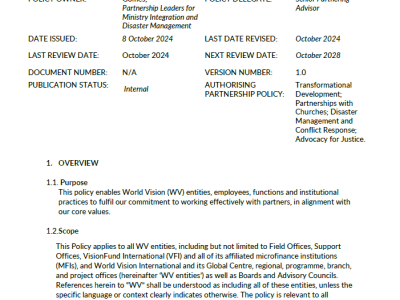
Working with Partners Policy
World Vision’s Working with Partners policy sets principles and practices for equitable, accountable partnerships that advance child well‑being.