article / August 21, 2026
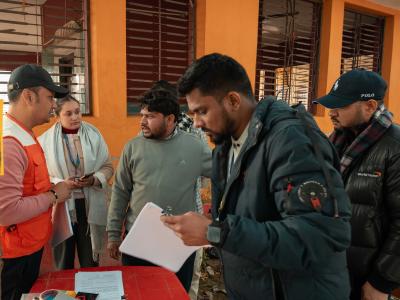
At the Frontline of Crisis and Recovery
From earthquakes to landslides, Nanda Budha reflects on leading humanitarian responses and standing with communities in crisis.
article / August 21, 2026
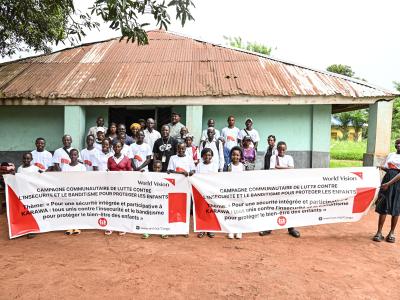
Karawa Communities Raise Their Voices for Security Through Citizen Voice and Action
This article highlights how communities in Karawa, North Ubangi, used World Vision DRC’s Citizen Voice and Action (CVA) approach to identify insecurity as a key concern and peacefully advocate for stronger protection measures. Through community mobilisation, dialogue with authorities and a formal advocacy memorandum, residents demonstrated how informed citizens can influence local governance and contribute to building safer, more resilient communities.
publication / June 25, 2026
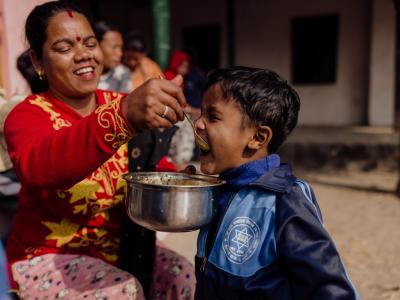
ENOUGH 2025: Driving Progress to End Child Hunger and Malnutrition
ENOUGH 2025, presents key developments in policy, programmes and partnerships three years into the campaign
video / August 21, 2026
Ebola Outbreak Reaches Critical Turning Point as World Vision Calls for Urgent Action
As Ebola cases continue to rise across eastern Democratic Republic of the Congo, the humanitarian response is at a critical turning point. In a recent media interview with Al Jazeera Media Network, World Vision DRC's East Zone Director, David Munkley, warned that the outbreak has exceeded all expectations, with daily cases increasing dramatically and the disease spreading into new health zones. He highlighted the urgent need for greater investment in prevention, community engagement and frontline health services, stressing that trusted local voices - including faith leaders, schools, community leaders and health workers - are essential to building confidence and helping communities adopt life-saving measures. Above all, he called for stronger support to protect children and families who remain at the heart of this crisis. Watch the full interview below and join us in raising awareness of the urgent need for collective action.

video / August 21, 2026
Fighting Cholera at the Doorstep: Community Action Saves Lives in Kolwezi
In Kolwezi, Lualaba province, the cholera outbreak is not only claiming lives in the hospital. It is also claiming lives in people’s homes, but silently.
Since December 2025, the Manika health zone has been facing a health crisis. But a genuine chain of solidarity has emerged. With support from World Vision DRC, through the NEPRF (National Emergency Preparedness and Response Fund), an internal emergency fund used to rapidly mobilise humanitarian aid during disasters, courageous community volunteers, such as Nicole, are going door-to-door to raise awareness, disinfect, distribute chlorine, and refer the sick to treatment centres.
The result? Over 7,000 people have been reached. More than 100 kg of chlorine has been distributed. Community mobilisation is our best weapon against cholera. Because saving lives starts with a simple act: informing to protect.
article / August 21, 2026
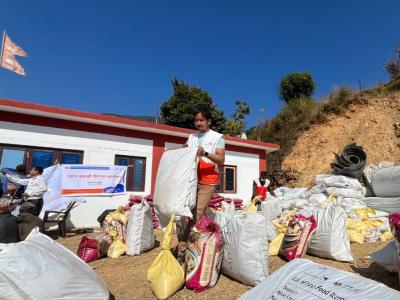
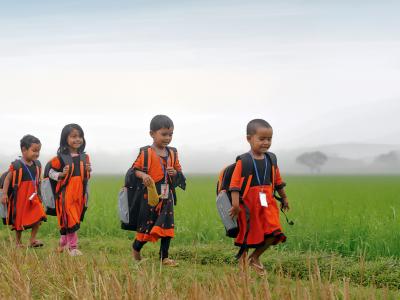
Standing with Children Through Crisis and Recovery
Having lived through the 2015 earthquake himself, Surendra Ratna Shakya has dedicated his career to supporting vulnerable children and families through crisis and recovery.
article / August 21, 2026
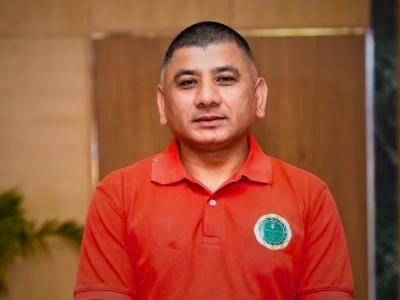
DR Congo: When War Overtakes Healing but Hope Prevails: The Story of GAKURU
GAKURU’s story illustrates the devastating impact of conflict and displacement on children facing malnutrition in eastern Democratic Republic of the Congo. After recovering from severe acute malnutrition with support from World Vision, two-year-old GAKURU was forced to flee with his family when violence swept through his village, leading to a relapse. Through continued nutritional support and follow-up care, he eventually recovered. His journey highlights the resilience of children and families living through crisis, while showing how World Vision’s Nexus Accelerator Fund continues to provide life-saving nutrition support in hard-to-reach and conflict-affected communities.
publication / July 29, 2026
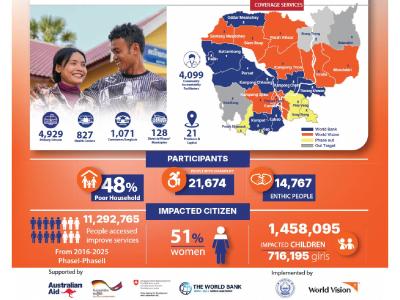
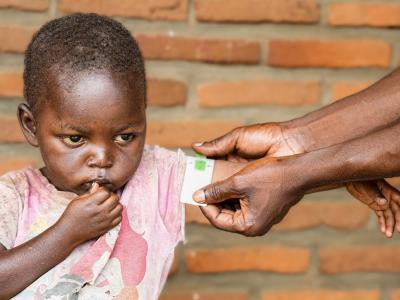
Factsheet | Engaging Citizens to Improve Service Delivery Through Social Accountability
Factsheet 2025 Engaging Citizens to Improve Service Delivery Through Social Accountability Project