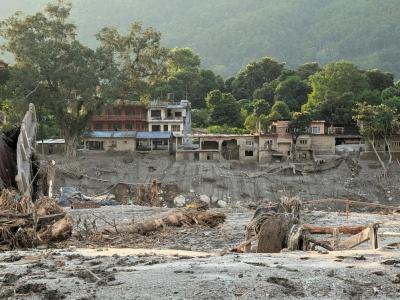
press release / August 25, 2026
Nine Years of Struggle: Rohingya Children Caught Between Climate Disasters and Plunging Aid
Nine years into protracted displacement, escalating climate disasters and a 24% aid cut threaten 1.2 million Rohingya refugees, prompting World Vision to call for global responsibility-sharing and durable, nexus-driven solutions for children and host communities.
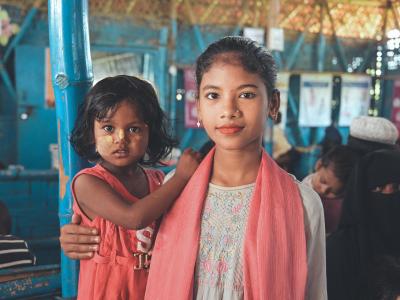
article / August 21, 2026
At the Frontline of Crisis and Recovery
From earthquakes to landslides, Nanda Budha reflects on leading humanitarian responses and standing with communities in crisis.
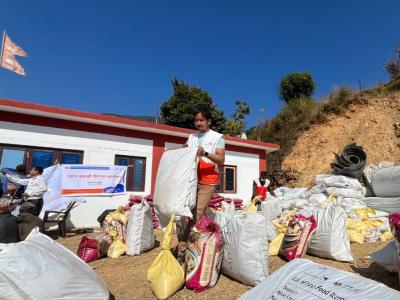
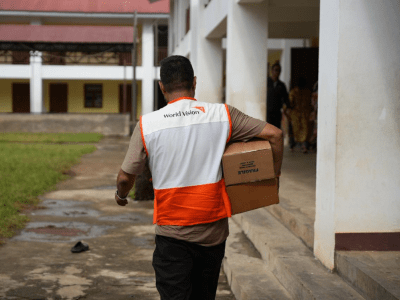
publication / September 4, 2026
Global Accountability Report 2025
Explore World Vision's 2025 Accountability Report, highlighting transparency, safeguarding, financial stewardship, resilience, and community impact.
publication / September 4, 2026
Situation Report 2: Nepal Flash Floods Response 2026
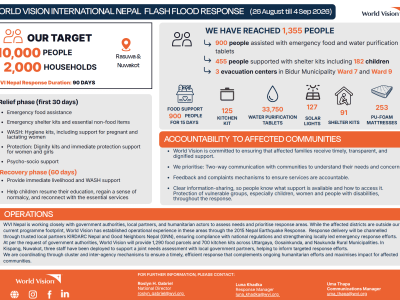
World Vision Reaches 1,355 People Following Nepal Flash Floods
article / August 21, 2026
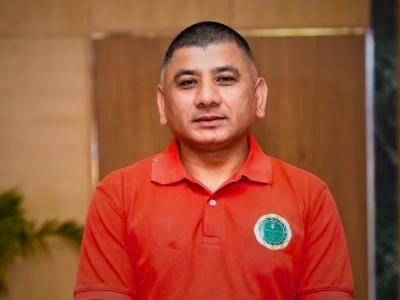
Standing with Children Through Crisis and Recovery
Having lived through the 2015 earthquake himself, Surendra Ratna Shakya has dedicated his career to supporting vulnerable children and families through crisis and recovery.
article / September 2, 2026
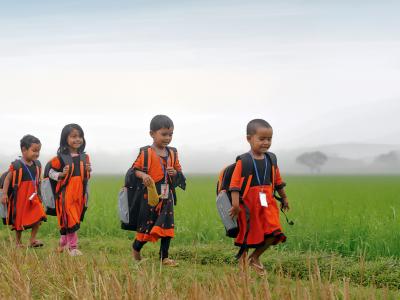
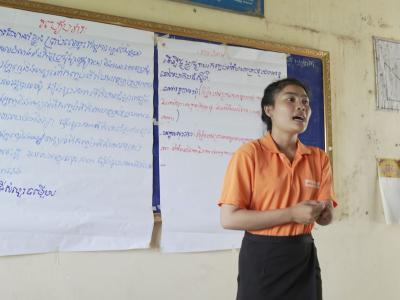
Forging an Inclusive and Gender Equitable Climate Action: Amplifying the Leadership of Girls and Women with Disabilities
Persons with disabilities make up the world’s largest minority—80% live in low- and middle-income countries. In Asia Pacific alone, nearly 108 million children with disabilities face mounting climate risks, for instance, more treacherous typhoons, floods and heatwaves.
publication / September 3, 2026
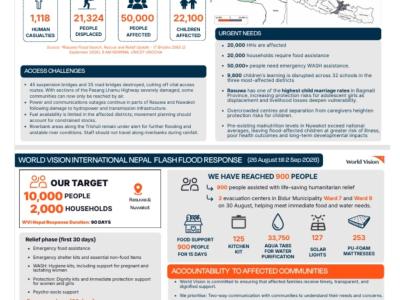
Situation Report 1: World Vision International Nepal | Nepal Flash Floods Response 2026
As of 2 September 2026, World Vision International Nepal's Flash Flood Response Situation Report 1 provides an overview of the humanitarian impact of the devastating floods affecting Rasuwa, Nuwakot, Dhading, and surrounding districts. With 50,000 people affected and more than 21,000 displaced, the report highlights urgent needs in food security, shelter, WASH, child protection, and education. It outlines World Vision's 90-day emergency response targeting 10,000 people across 2,000 households and reports that 900 people have been reached with life-saving assistance, including food support, kitchen kits, shelter kits and essential non-food items, water purification supplies, solar lights, hygiene kits, dignity kits for women and girls, and psychosocial support.
article / August 30, 2026
"The community is no longer recognizable" | Nepal Flash Floods Response 2026
When floodwaters swept through Devighat, Nuwakot, they left behind more than damaged homes. Families were displaced, children's routines were disrupted, and entire sections of the community became unrecognizable. In this field account WVI Nepal staff shares observations from the ground and the urgent needs facing children and families in the aftermath of Nepal's 2026 flash floods.