publication / June 1, 2026
2025 Annual Report: Child Well-being at the Heart of Our Achievements
This report highlights the progress made in various areas, guided solely by the goal of empowering children and vulnerable communities through the work of World Vision Senegal.
article / May 21, 2026
Journalists Equipped to Lead the Fight Against Child Labour and Forced Labour in Lesotho
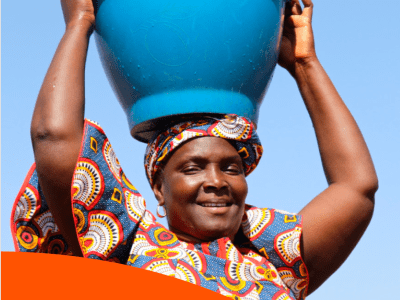
World Vision Lesotho, together with the Ministry of Labour and Employment and the Ministry of Gender, Youth and Social Development, trained 30 journalists on ethical reporting and advocacy to strengthen media efforts in ending child labour and forced labour in Lesotho under the EU-funded AECFL project.
article / June 9, 2026
“The Child Inside Me Is Still Dreaming”
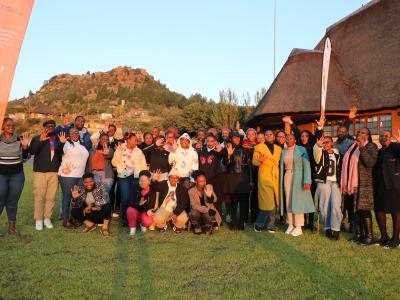
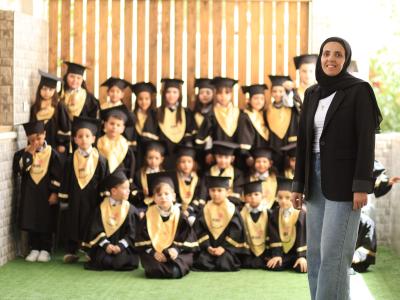
In Beit Awwa, Jumana transformed a mother’s concern into a mission to create safe spaces for children through child protection and community support.
press release / June 5, 2026
World Vision Launches "I'm Wearing the 10 for Children," a Regional Mobilisation for Child Protection
World Vision launches “I’m Wearing the 10 for Children,” a regional campaign mobilising action to protect children across Latin America.
article / June 8, 2026
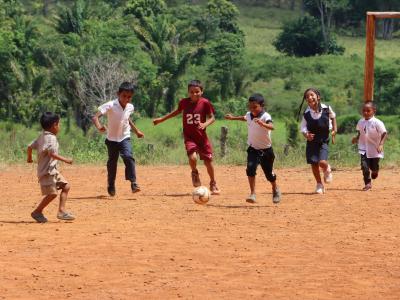
From Child Labour Risk to Education: Aklima's Journey Back to School
After leaving home for work and returning exhausted and discouraged, 16-year-old Aklima found a new path through education, family support, and a sewing machine that helped her rebuild her future.
article / June 5, 2026
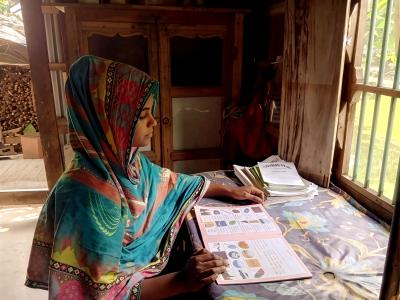
From Shy Learners to Champions: How Quiz Competitions Are Transforming Lives at Mwanga Primary School
World Vision is helping learners at Mwanga Primary School excel academically through quiz competitions that build confidence and improve classroom performance. Learners who once used not to do well are now performing better in class and have also boosted their confidence.
press release / June 5, 2026
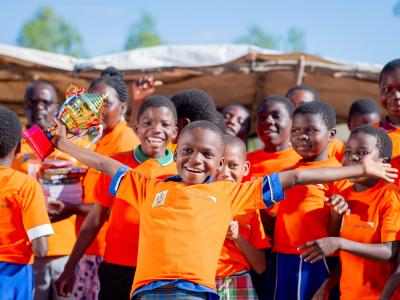
New Displacement Across Lebanon Deepens Humanitarian Needs for Children and Families
World Vision Lebanon calls for urgent support as more than 1.3 million people are displaced across Lebanon. Children face growing risks amid repeated displacement, overcrowding, and limited access to essential services.
press release / June 8, 2026
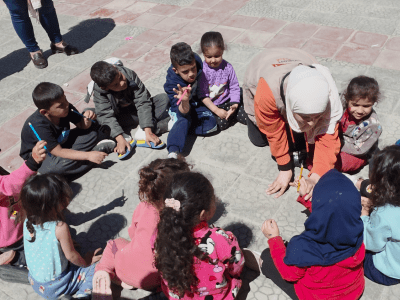
G7 Principles Mark Step Forward for Children’s Safety Online
World Vision welcomes the G7 Common Set of Principles for a safer and more secure digital space for children and adolescents.
article / June 9, 2026
Rebuilding Trust in Cabo Delgado: How Displaced and Host Communities are Creating a Shared Future
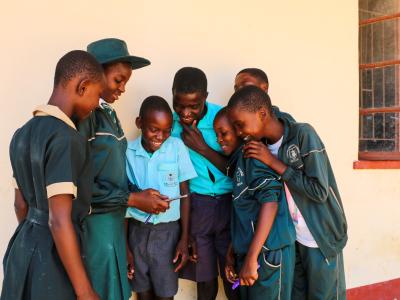
Through dialogue and youth leadership, conflict-affected communities in Metuge, Mozambique are overcoming mistrust to build a shared, peaceful future.
article / June 9, 2026
DR Congo: International Environment Day in Ngandu: The Community Mobilises for a Greener Future
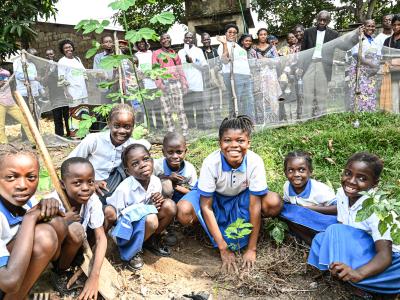
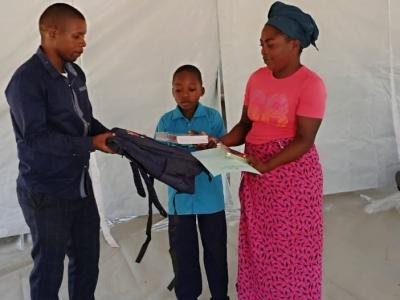
To commemorate International Environment Day 2026, World Vision DRC’s Kinshasa Cluster brought together local authorities, schools, and community members in Ngandu, Kimbanseke, to promote environmental protection and climate action. Through awareness sessions, waste management demonstrations, tree-planting activities, and the distribution of waste bins to schools, the event highlighted the crucial role of children and communities in building a cleaner, healthier, and more sustainable future for generations to come.