publication / August 14, 2026
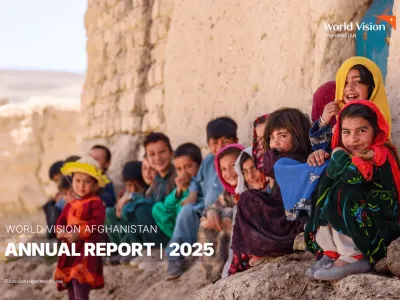
World Vision Afghanistan Annual Report | FY25
In FY25, World Vision Afghanistan reached 1,497,975 people, including 808,015 children, through 36 projects and grants.
article / August 5, 2026
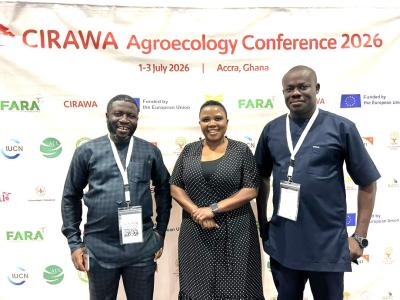
World Vision Ghana Champions Agroecology and Landscape Restoration at CIRAWA Conference 2026
How can Africa restore degraded landscapes while producing enough food for a rapidly growing population? This question was at the heart of the CIRAWA Agroecology Conference 2026, held in Accra from 1–3 July, where policymakers, researchers, development partners, private sector actors, civil society organisations, and farmers came together under the theme: "Agroecology and Nature-Based Solutions for Sustainable Food Systems in Africa."
article / June 17, 2026
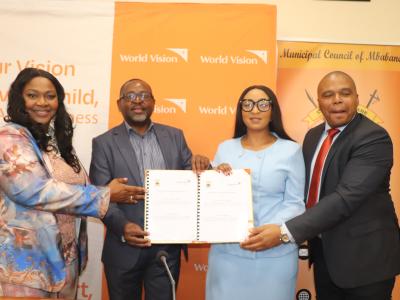
World Vision Eswatini and Municipal Council of Mbabane Forge Partnership to Support Vulnerable Urban Communities
World Vision Eswatini and the Municipal Council of Mbabane have signed a Memorandum of Understanding to strengthen efforts aimed at improving the lives of vulnerable children, youth, and families living in urban communities.
publication / August 4, 2026
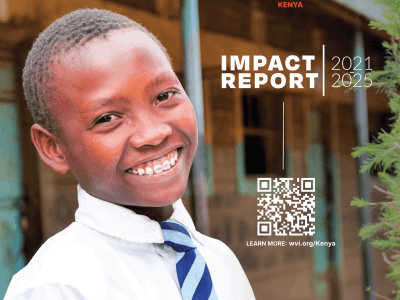
World Vision Kenya 2025 Impact Report
Explore World Vision Kenya’s 2021–2025 Impact Report, highlighting how 4.6 million people and 9.4 million children were reached through advocacy and transformative projects in different sectors (Child Learning and Household Resilience, Disaster Management, Climate Change and WASH)
publication / July 14, 2026
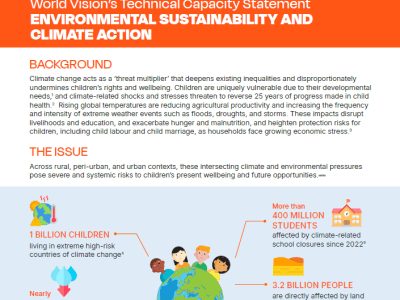
World Vision’s Technical Capacity Statement - Environmental Sustainability and Climate Action
Discover World Vision’s climate action impact across 69 countries—restoring land, training communities, and building resilience for children.
article / August 5, 2026
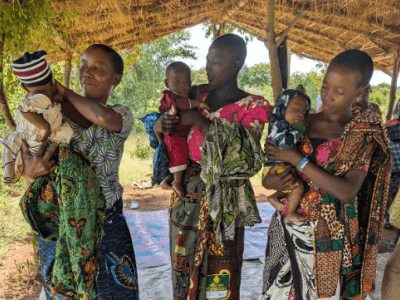
Breastfeeding for a Sustainable Start in Life
Discover how World Vision's Care Groups and MenCare approach strengthen breastfeeding support in Kenya, helping families give children the best start.
video / August 3, 2026
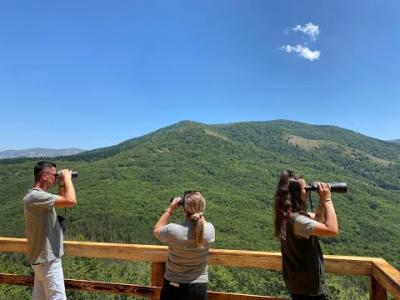
Panoramic balconies as a model for connecting people with nature and sustainable management of protected areas
World Vision Albania, in collaboration with PONT, is promoting biodiversity conservation in Shebenik and Korab-Koritnik parks through small, well-planned infrastructure like panoramic balconies, supporting sustainable tourism, education, and community engagement.
article / July 21, 2026
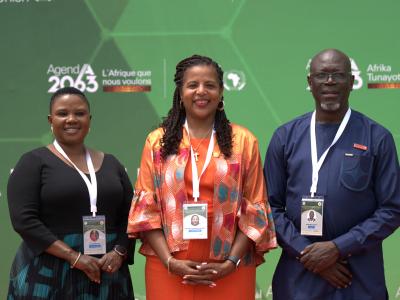
World Vision Advocates for Stronger Health Systems and Child-Centred Health Investments at AU Health Summit
World Vision participated in the African Union Extraordinary Health Summit, advocating for stronger health systems, nutrition, maternal health, youth participation, and universal health coverage across Africa.
article / August 11, 2026
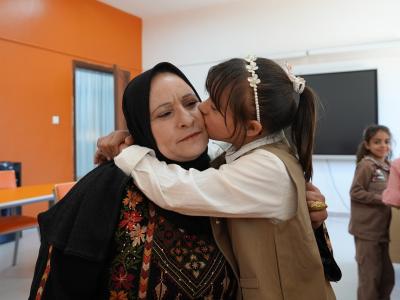
Inside World Vision Syria Response’s Inclusive Classrooms
World Vision Syria Response’s inclusive education project in Sahab is helping children like Talal and Aya overcome learning barriers, build confidence, and participate fully alongside their classmates. Across 11 schools and kindergartens in Jordan, the project is creating supportive learning environments where every child has the opportunity to learn, belong, and thrive.