
From Wells to Wellness: How Clean Water is Transforming Maternal Care in Kakumiro.

In the heart of Kawangera village, located in Uganda’s western District of Kakumiro, 32-year-old Gloria begins experiencing labor pain. As a mother of three with her fourth on the way, she knows what to expect with childbirth, but nothing prepares her for the life-threatening experience she is about to encounter.
On the morning of August 8, 2020, Gloria, accompanied by her mother as caretaker, walks into Kisengwa Health Center to deliver her baby. They are immediately met by an unpleasant stench in the maternity ward, a stark reminder that the facility is far from sanitary and not in the best condition to welcome new life.
The only available two beds are already filled up, leaving Gloria and the other expectant mothers one option of sharing the remaining space on the filthy floor. She recalls the disgust and discomfort she felt at her most vulnerable moment but still had no choice since the alternative health facilities are miles away and not any better.
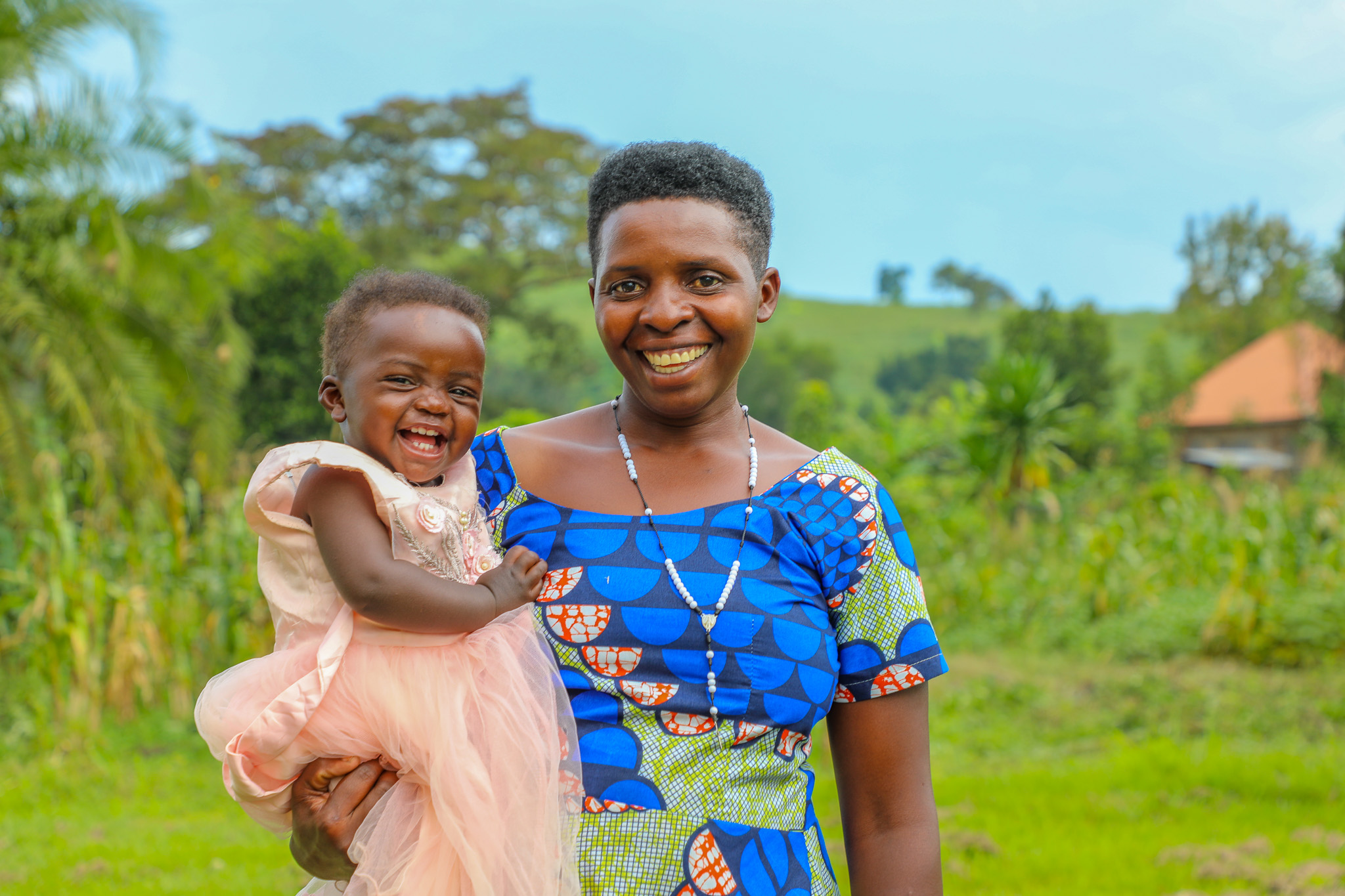
As Gloria progresses in labor, reality hits harder. Her mother is asked to fetch water from the nearest swamp to support the duo during their stay at the facility. By the time she returns one hour later, her daughter is agitated, and the midwife is enraged. The risk of infection looms large.
“What my mother brought was only 20litres of contaminated swamp water that was insufficient. This increased my exposure to infections and other diseases,” says Gloria.
When her baby girl finally arrives, the joy overshadows the risks of contracting infections. The lack of clean water means that every action puts Gloria and her baby at risk. Gloria also has to wait in line for the one dilapidated bathroom that is available for mothers to bathe after labor.
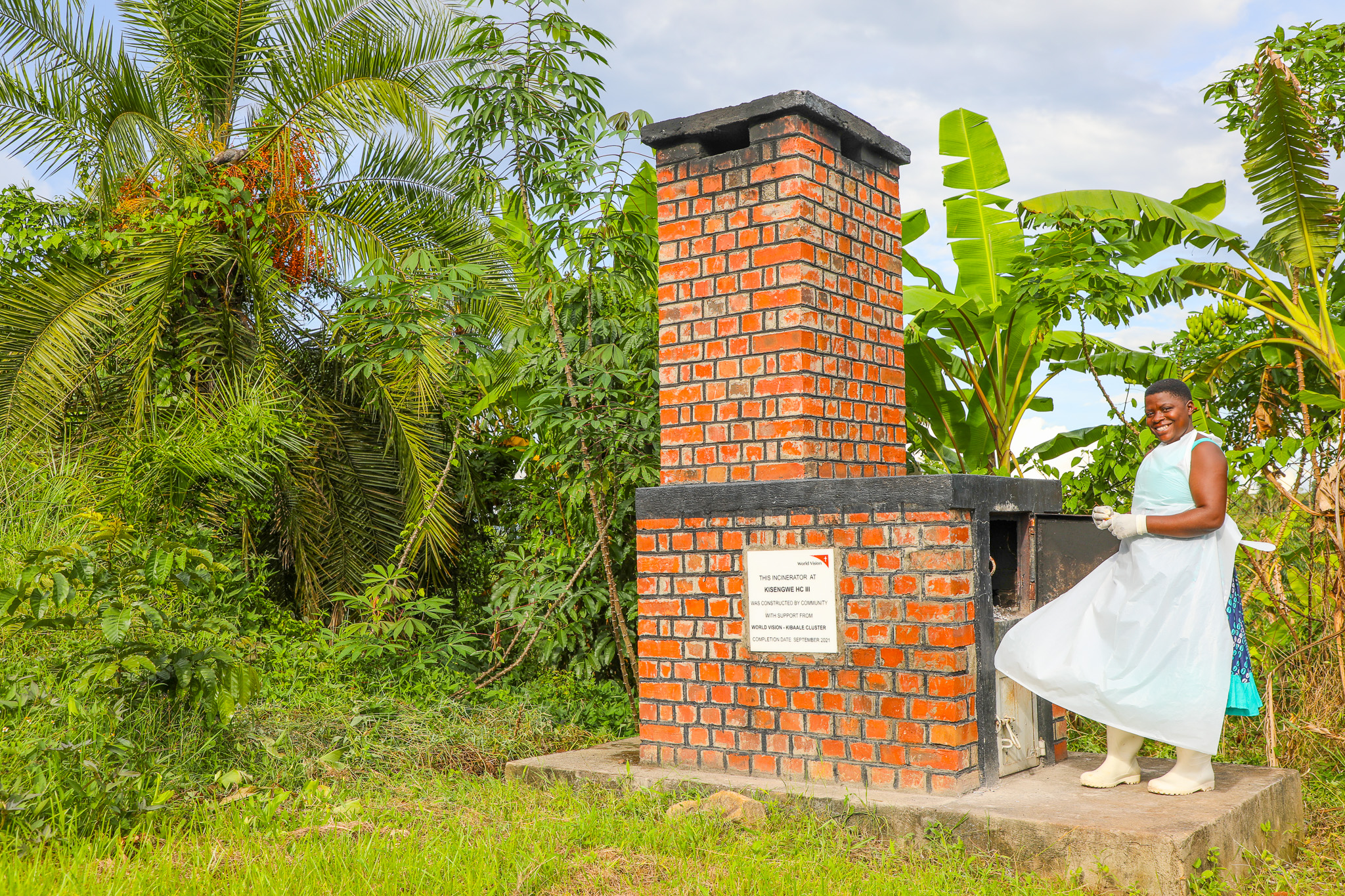
With the evident overcrowding in the health facility, Gloria is discharged after 24 hours to create room for other mothers. However, Gloria is discharged with an infection. Going home with an untreated infection put her at greater risk of not getting the help she desperately needed.
“I made a risky decision to go home. Staying longer would expose me and my baby and me to more infections. I moved to save our lives.” According to Yacinta, a nurse at the health facility, Gloria’s situation is not unique. Many mothers in the community faced similar challenges.
“Lack of access to clean water compromised newborn care. Without clean water to wash newborns, and unhygienic breastfeeding exposed mothers and their babies,” says Yacinta.
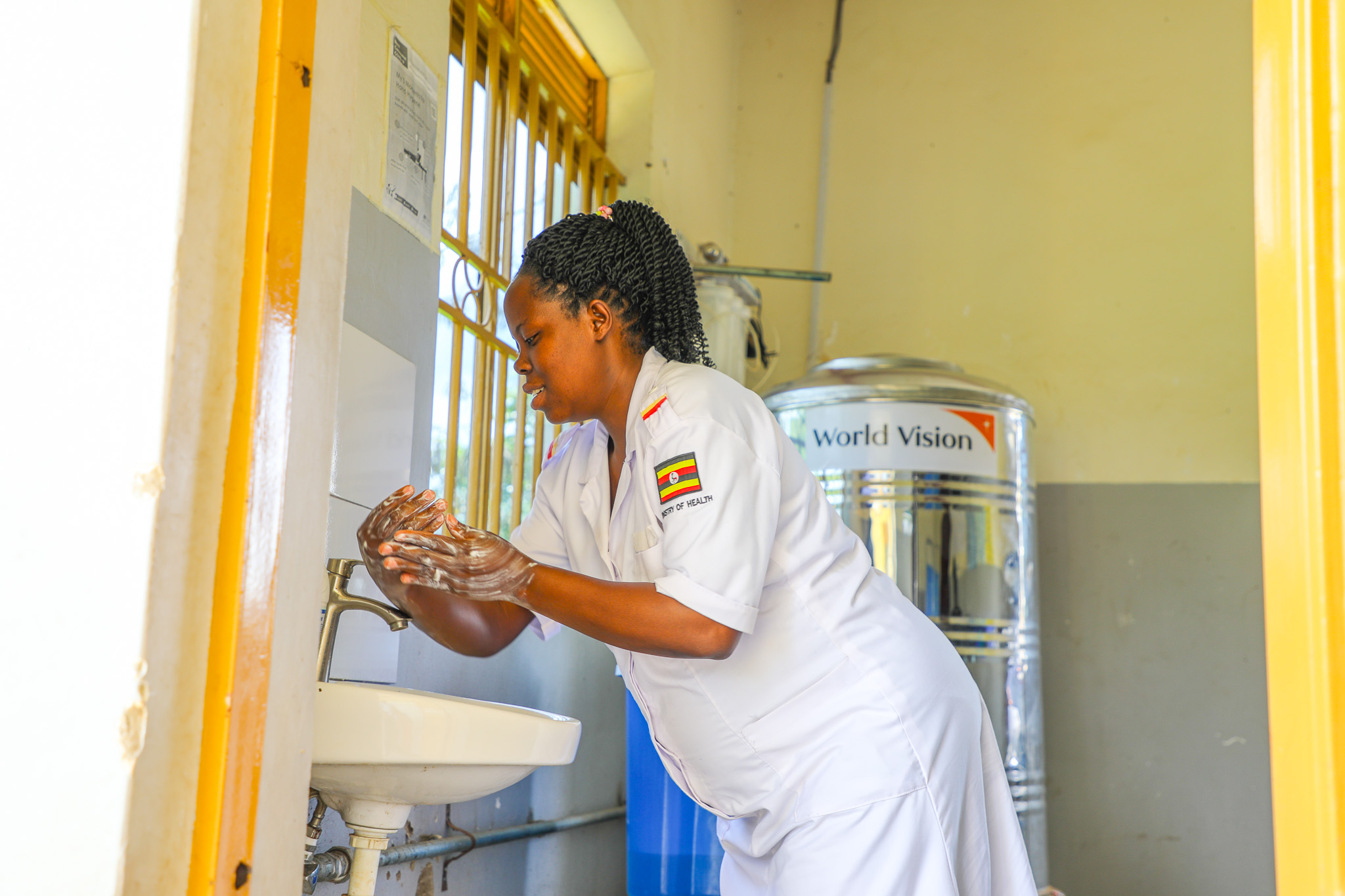
On January 11th, 2024, Gloria walks through the gates of the same health facility to give birth to her fifth child. This time, she comes prepared to face the same hardships she is familiar with. To her surprise, the reception is different.
She is welcomed by a facelift of the facility. As she walks around, she notices new equipment and running water with multiple handwashing points, even in the labour suite. This was assurance enough that all her worries were all gone. The thought of infections was a distant memory.
“After giving birth, I was given a clean bed to rest. There was clean water to drink and wash with. There were also proper bathing rooms and latrines. This was more than I prayed for. I felt safe with my baby, and that was by far the best experience,” she says.
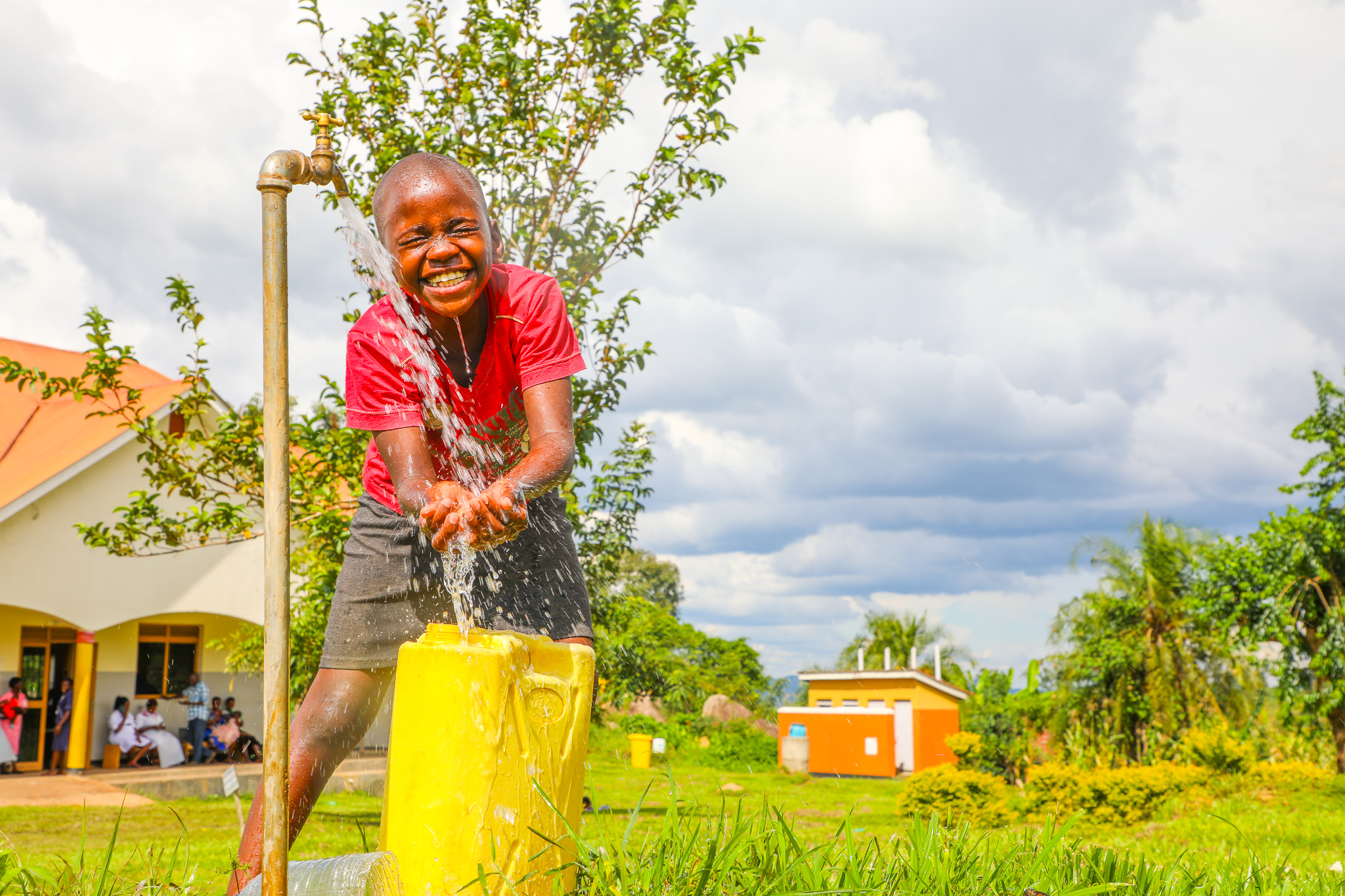
World Vision Uganda, through the Kasambya Area WASH project, extended piped water, constructed new washrooms, and equipped the health facility with new equipment to enable mothers deliver smoothly. Health care staff were also trained to improve service delivery.
“Clean running water is the lifeline of any healthcare facility, transforming it from a place of struggle and limited care into a haven of safety, efficiency, and hope—ensuring every patient receives the dignity and health they deserve.” Emmanuel-Project Officer-Health.
Story by: Sarah. N. Kirabo, Donor Liason Officer, and Mungu Jakisa Brian, Communications Officer