
“I Thought My Life Had Ended, But It Was Only Bending.”

My name is Emebet. I am 40 years old, a mother of five, and live in Habro Woreda in West Hararghe, Oromia. This is the story of how my life began to change through determination and an opportunity.
March 2022 broke me.
That month, a day came when I wished death would take me quietly in my bed. I was told that my daughter had died. I thought my heart had stopped beating that day. Before I could heal from that wound, I had already buried another child. In just two years, I lost two of my children. Tell me, how can a mother survive such pain?
From that moment, I was no longer the same woman.
I left Boke Woreda, the place where I married, where I gave birth to all my children, where every road, every house, every sound reminded me of the two children I buried. Everything in Boke spoke their names. So, I left and came to Habro Woreda, carrying my children and my broken soul.
In Habro, no one knew me, except one kind woman. She gave me a room and helped me stay for some time. But inside, I was lost. I was angry, tired, and crying day and night. I felt empty and powerless. I did not recognise myself anymore, and my children looked at me like I was a stranger.
Still, life did not stop. My children needed food. They needed a mother. But I was weak. I spent my days chewing Chat, and my nights were sleepless, staring into the darkness. I was alive, but I was not living.
Then, God sent help.
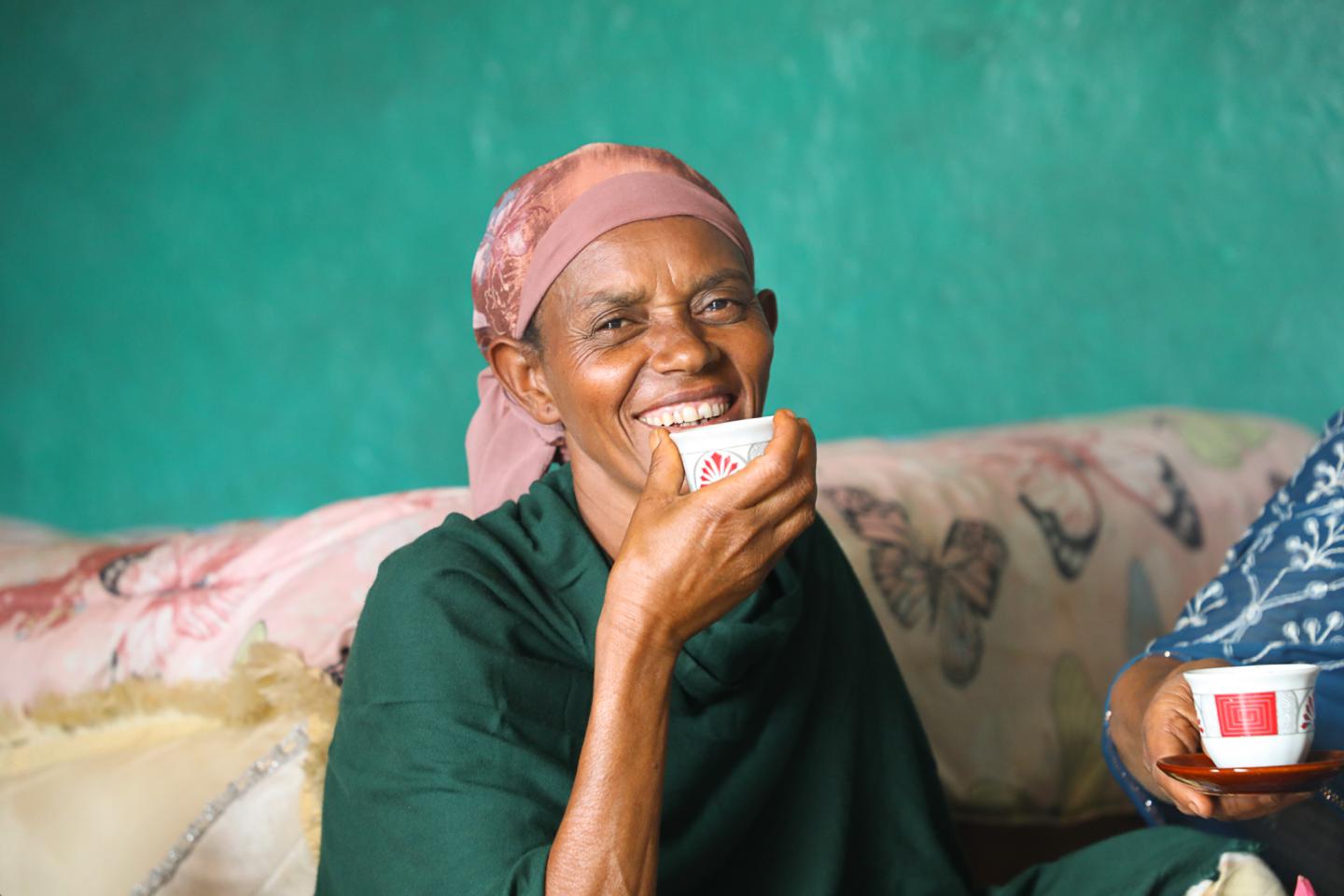
In May 2024, another compassionate woman heard about my suffering. She gave us a better home, rent-free, a safe and secure place for my children and me. She helped me find daily work, baking Injera, doing house‑to‑house labour, so I could earn something to feed my family. That was the first small light after a long darkness.
In June 2024, the Woreda officers enrolled me in the Productive Safety Net Programme. Soon after, Worknesh, a trained community health facilitator from the project (SPIR II), came to my home. She asked me questions about my sleep, my sadness, and my thoughts. Then she said, “You are carrying too much pain alone. You need to join a group.”
I joined.
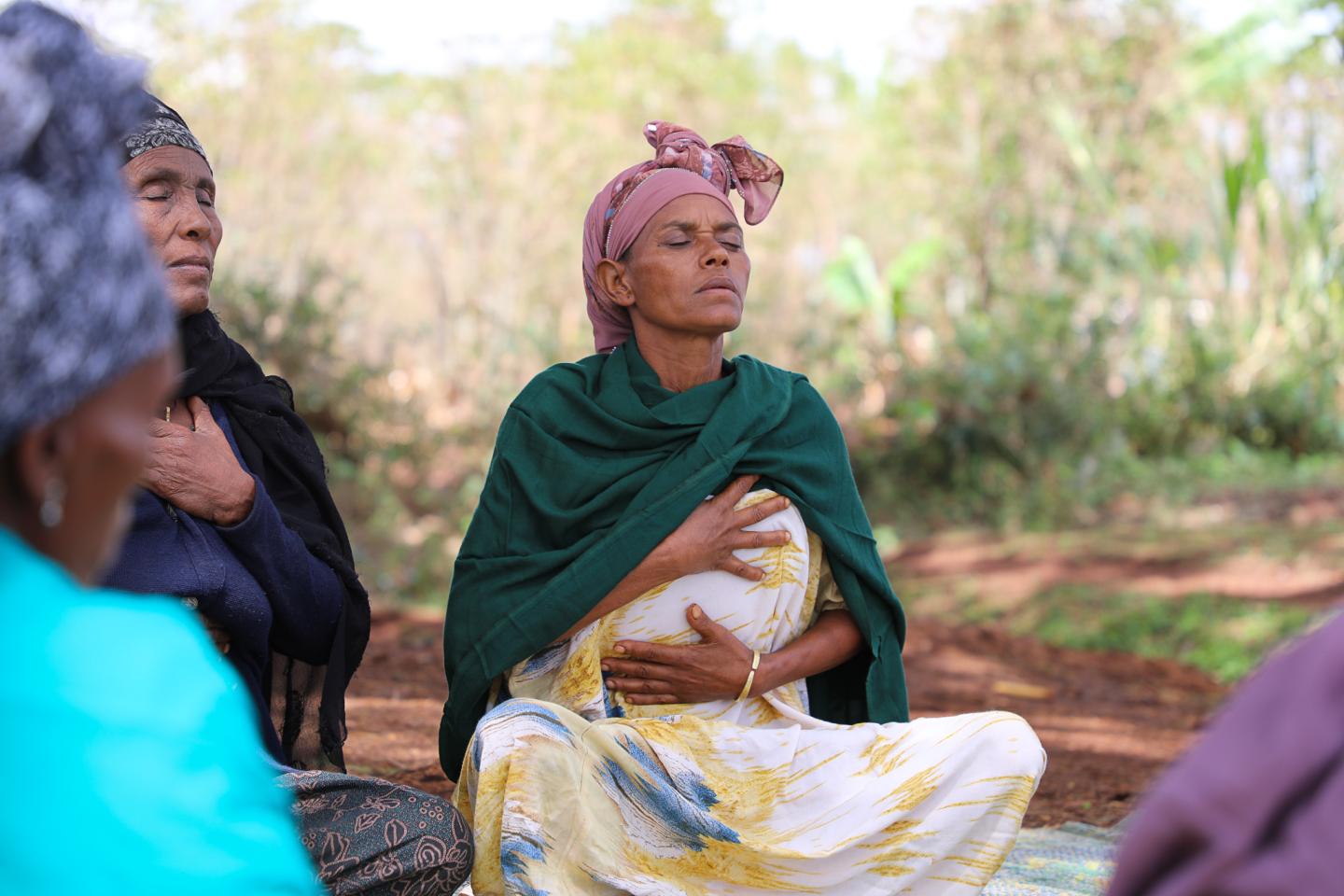
For five weeks, we met every week. That group became my place of breathing. A place where I could cry without shame. When I shared my story, tears poured out of me like rain. Other women listened. They understood. They held my pain with me. I learned how to manage my thoughts, reduce stress, and slowly return to daily activities.
One woman even brought fresh butter from her home and massaged my head, saying it would ease the headaches I had carried for years. In that moment, I felt something I had not felt in a long time: care.
Week by week, my heart became lighter. My strength slowly returned. I began to sleep at night again and could care for my children with patience and energy. I finished the sessions feeling like I had defeated something heavy. I was no longer carrying my grief alone.
When my mind became stronger, I was able to work again and take opportunities. After that, our group continued as a Village Economic and Social Association (VESA). More people joined. We began saving together. It was not only about money, but it was also about standing together in good times and bad.
I began working hard again. I was the first in the group to take a loan. I bought hens and sold eggs. I paid back the loan quickly, and my confidence grew.
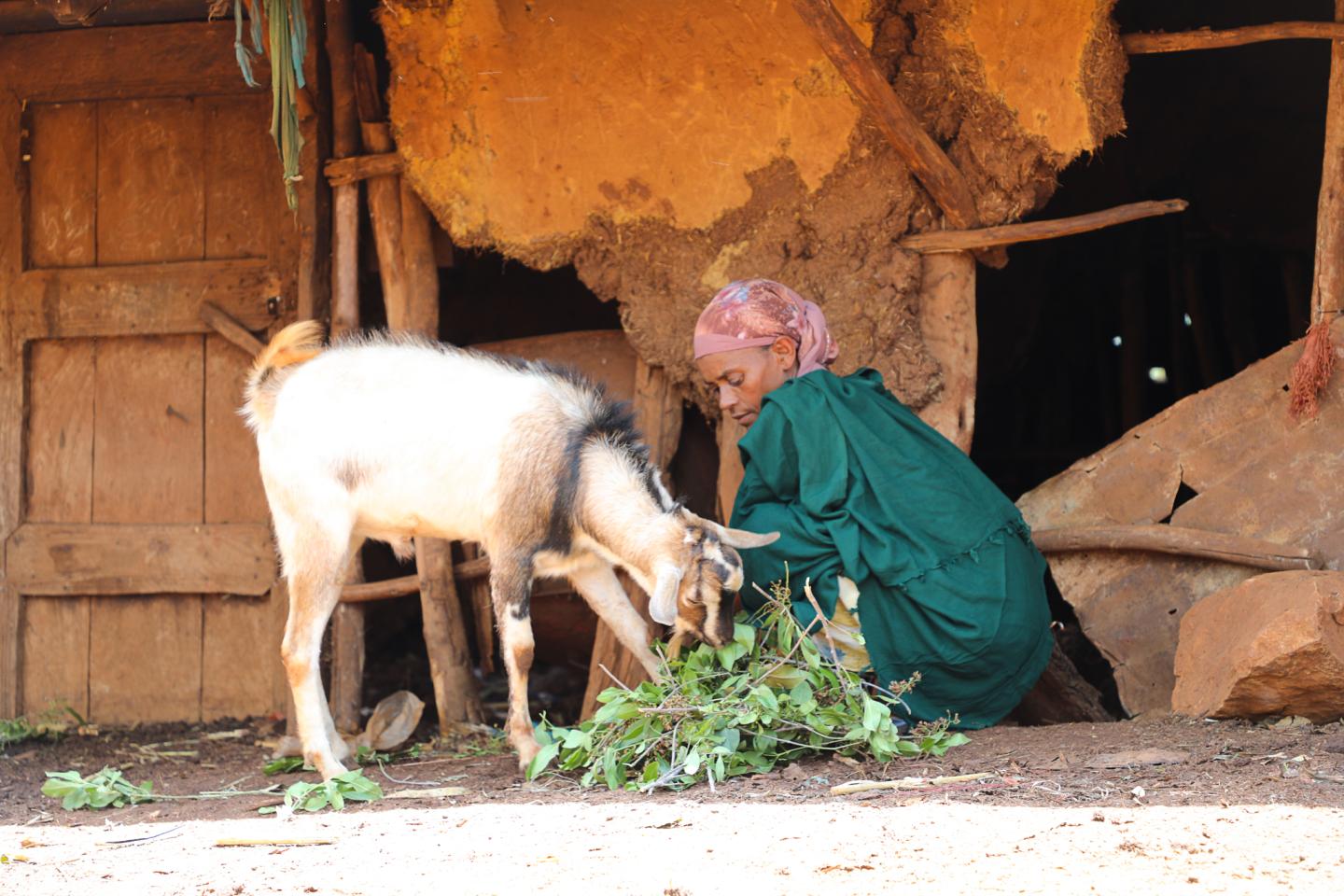
Later, I received 39,000 Birr ($300) from the project (SPIR II). I bought three goats. By fattening and selling two of them, I made a profit. Today, I have three goats worth 92,000 Birr ($595).
I also took loans of 25,000 and 30,000 Birr ($162 and $194) from Sinqee Bank, invested in goat fattening again, and made more profit. With that money, I started a small restaurant that served breakfast.
During one group session, we shared a story about a woman who fell into deep depression after a loss. That story was my story. Hearing it helped me open myself to people again. I began talking to my neighbours. I began laughing again.
I am not the same woman anymore.
I stand on my feet now. I work. I plan. I dream.
My future plan is to expand my small breakfast place into a proper restaurant, buy land, and build my own house, a place where my children feel safe and proud.
I lost much, but I found strength again, and today, I am building a future for my children. For me, that is victory.
Mental Health and Psychosocial Support (MHPSS) intervention
A key component of SPIR II is the integration of Mental Health and Psychosocial Support (MHPSS) into PSNP to address emotional, social, and economic challenges exacerbated by poverty, conflict, and limited mental health services. Through evidence‑based group interventions, Group Problem Management Plus (gPM+) and Group Interpersonal Psychotherapy (IPT‑G), delivered by trained non‑specialist facilitators, the project expands access to quality mental health care, improves coping skills and functioning, and builds resilience. Since operations began in September 2021, SPIR II has reached 47,000 people through community‑based mental health support and awareness campaigns and has referred 430 cases for specialised care.
By Emnet Dereje, Communications Specialist (SPIR II), World Vision Ethiopia