
The Little Sachet That Fights Malnutrition

A young mother, Umul, walks through the dusty landscape with her beautiful four-year-old daughter, Sefa, a little girl who looks like a miniature version of her. They live in a remote town nearly 70 kilometres from Jigjiga, the capital of Ethiopia’s Somali Region. The area is dry and scattered with acacia trees, sitting in one of the country’s lowest elevations, and the prolonged drought has only worsened conditions, contributing to the rising malnutrition cases the community is facing.
“When Sefa became sick, she had diarrhoea and was vomiting,” says Umul. “I thought it was just a stomach illness. I kept her at home and tried our home remedies.”
 By the time they took Sefa to the nearby health post, a Mid-Upper Arm Circumference (MUAC) measurement placed Sefa firmly in the red zone, a clear indicator of Severe Acute Malnutrition (SAM) requiring urgent treatment. Abdi, the Health Extension Worker, has seen this too many times. “Children come to us losing weight and without energy. Most mothers try everything they can at home. It would have been better if they had come early, but once the child reaches the severe stage, they need Ready-to-Use Therapeutic Food (RUTF), which makes a big difference; the change is drastic,” he explains. In the past two months at this site alone, 38 children were treated for acute malnutrition, and 18 have already recovered, Abdi notes from the register.
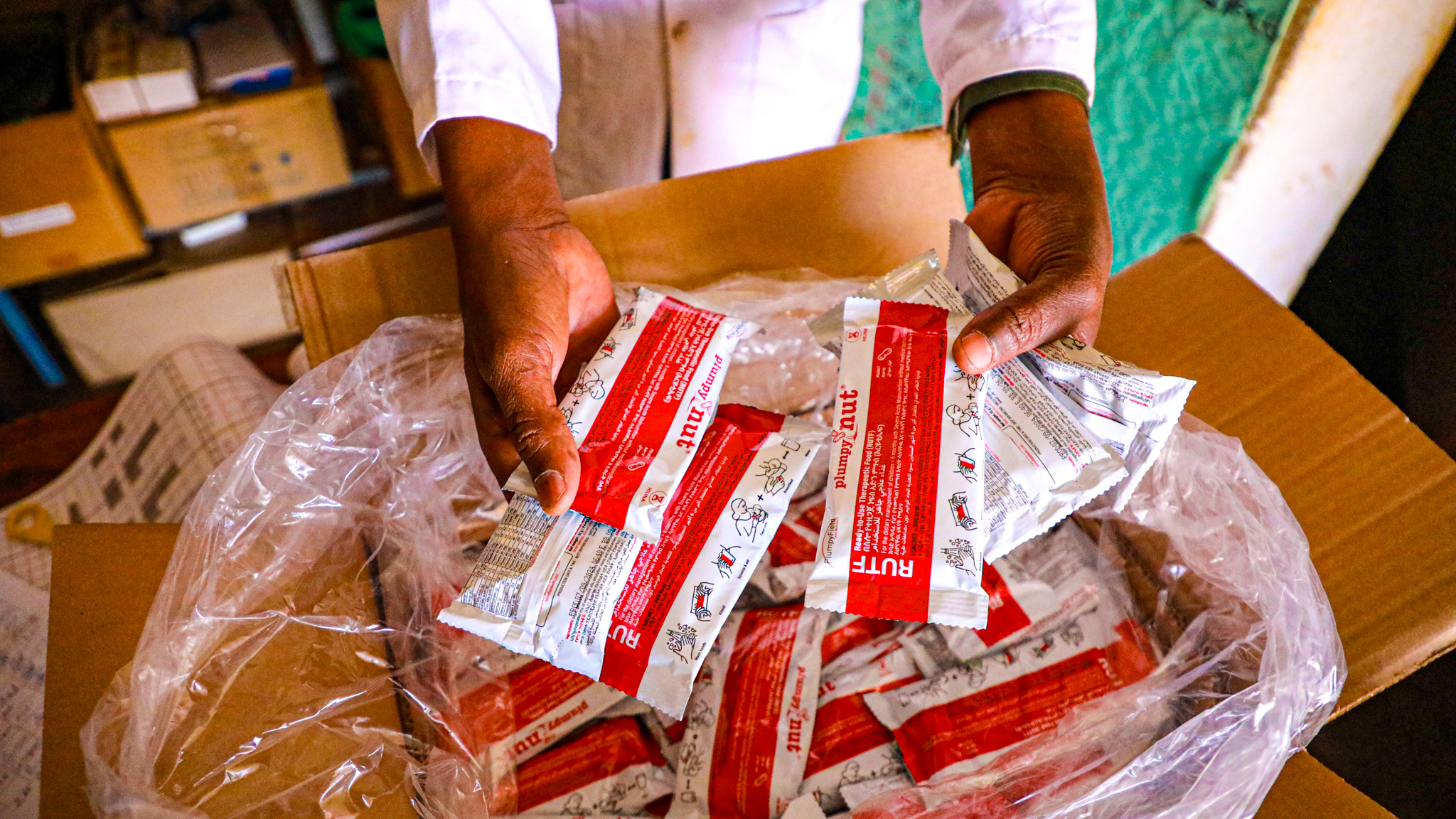
Ready-to-Use Therapeutic Food (RUTF) is a life-saving, peanut-based paste enriched with essential vitamins and minerals. Designed to treat children with severe acute malnutrition, it can be given safely at home with regular follow-up from health workers, allowing children to recover in the care of their families.
Sefa was immediately enrolled in the outpatient programme and began receiving RUTF twice a day. Within weeks, the difference was visible. “Insha’Allah, she is much better now,” Umul says with relief. “Since she started the RUTF, the diarrhoea and vomiting stopped, and her appetite is back. I am so happy.”
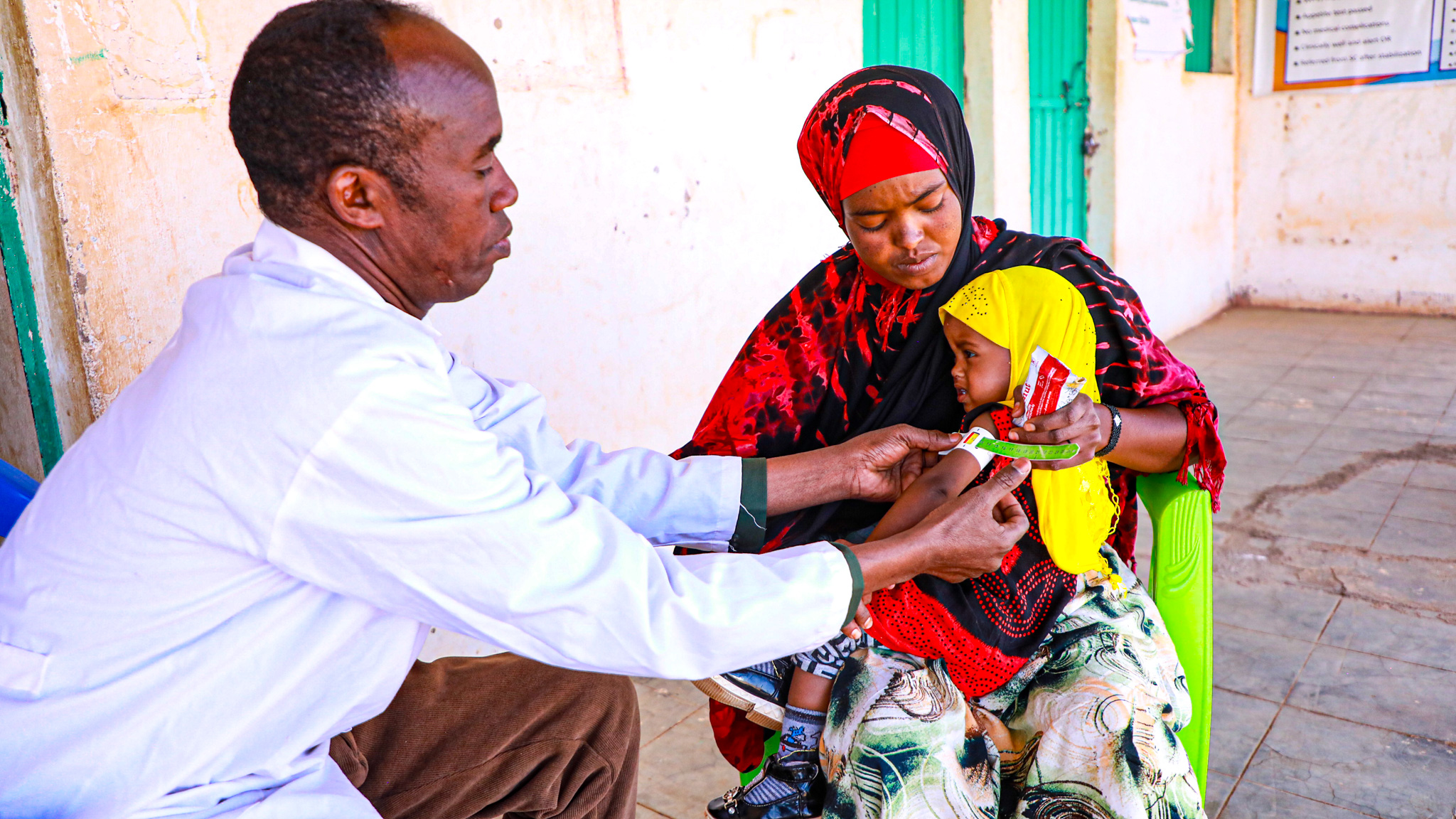 Because RUTF is limited, sachets are prioritised for severely malnourished children, while moderately malnourished children receive nutrition counselling on balanced, locally available foods at health posts and health centres, along with regular follow-up to prevent further deterioration. Local Ministry of Health authorities note that early management of Moderate Acute Malnutrition (MAM) reduces progression to SAM when counselling and supplies are available. At Sefa’s follow-up, her MUAC measurement had improved from red to yellow, and Abdi continued supporting caregivers with practical meal plans they can use at home.
Funding the procurement and supply of RUTF, World Vision US (WVUS) and World Vision Canada (WVC) are helping health workers like Abdi keep treatment going through the government’s Community-based Management of Acute Malnutrition (CMAM) platform, rather than running standalone distributions. In the Somali Region, recent allocations have supported 19 health institutions, ensuring RUTF sachets reach caregivers like Umul through routine services they already trust and use. These Somali allocations sit within a larger shipment of approximately 702,000 RUTF sachets, delivered across five regions and 55 districts, reinforcing frontline treatment continuity where drought and other shocks have pushed caseloads higher. In surge periods, when routine procurement is strained, these contributions act as a buffer so that a child like Sefa does not miss a single dose.
Back at the health post, Abdi flips through the growth cards and smiles. “We see the change quickly when RUTF is available, and mothers can return for follow-up,” he says. For Umul, the proof is in everyday moments: a child who asks for food, tries to play, and laughs again. She says the experience has taught her not to wait at home when a child is unwell. “RUTF saved my daughter’s life,” she adds, urging mothers to visit the nearest health post.
Sefa still has a few weeks left in her treatment cycle, and the path is clear, but many other children are just beginning theirs. Ensuring that every child can complete the journey is what keeps health workers, as Abdi encouraged, and what allows mothers like Umul to feel hopeful again.
By Tigist Taye, Corporate Storytelling Coordinator, World Vision Ethiopia