
No Longer Hidden

For months, Timira kept her son at home because she feared the stigma and discrimination she might face from the community. She lives in Bale Zone, and her son, Muaris, was born with a cleft lip. After giving birth at home, she did not take him to a health facility because she did not know that treatment was possible. Instead, she kept him at home and tried to hide him from others. "He was born with this cleft lip, I didn't take him to the health centre," Timira recalls.
Feeding her son was one of Timira's hardest challenges. Because of the cleft lip, Muaris could not latch onto her breast properly. "Because of his cleft lip, he could not latch onto my breast properly. Milk often spilled from his mouth, making feeding very difficult. As a result, he was not getting enough breast milk. He also faced difficulties taking food "
As the months passed, Muaris struggled to feed and grow. Timira knew her son was suffering, but she did not know where to go. “I didn't know if there was treatment for this condition. Nobody in the community told me he could be cured. When I heard that, I gave up."
The physical challenges were made worse by stigma. Neighbours and community members viewed the condition as something shameful. Afraid of judgment, Timira rarely took her son outside. “They told me to hide the child,” she says. They asked, 'Why do you bring him out?' When I heard that, I cried the whole day at home."
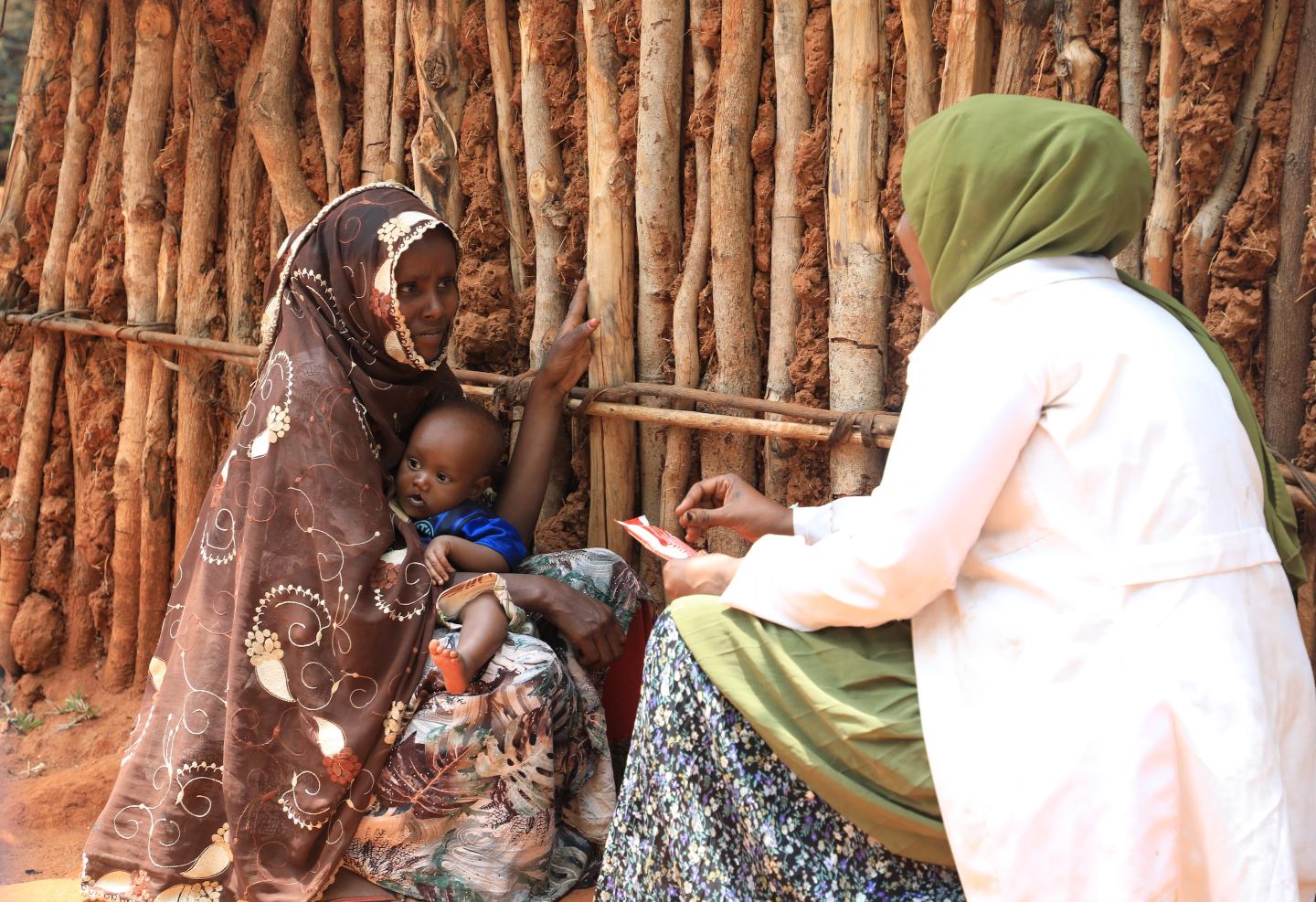
Everything changed during a measles vaccination campaign in her village. When Timira brought Muaris for vaccination, Chaltu, a health extension worker, noticed his condition and immediately informed her that it was treatable. "The health extension worker told me that there is treatment and not to worry," says Timira.
She registered him, checked his nutritional status, and found that he was severely malnourished and started receiving therapeutic food. Chaltu says, "I told the mother that the case could be treated and that the child would receive treatment free of charge. We took her phone number, called her after 15 days, and facilitated the treatment."
At that moment, for the first time since her son's birth, Timira felt hope. "I felt happy when I heard that the issue could be treated. I immediately called my husband and shared my happiness," she says.
With support from World Vision’s Joint Emergency Operations, Timira and Muaris began the long journey to Dodola Hospital, nearly 250 kilometres from their home. World Vision linked them and transported them to the treatment center.
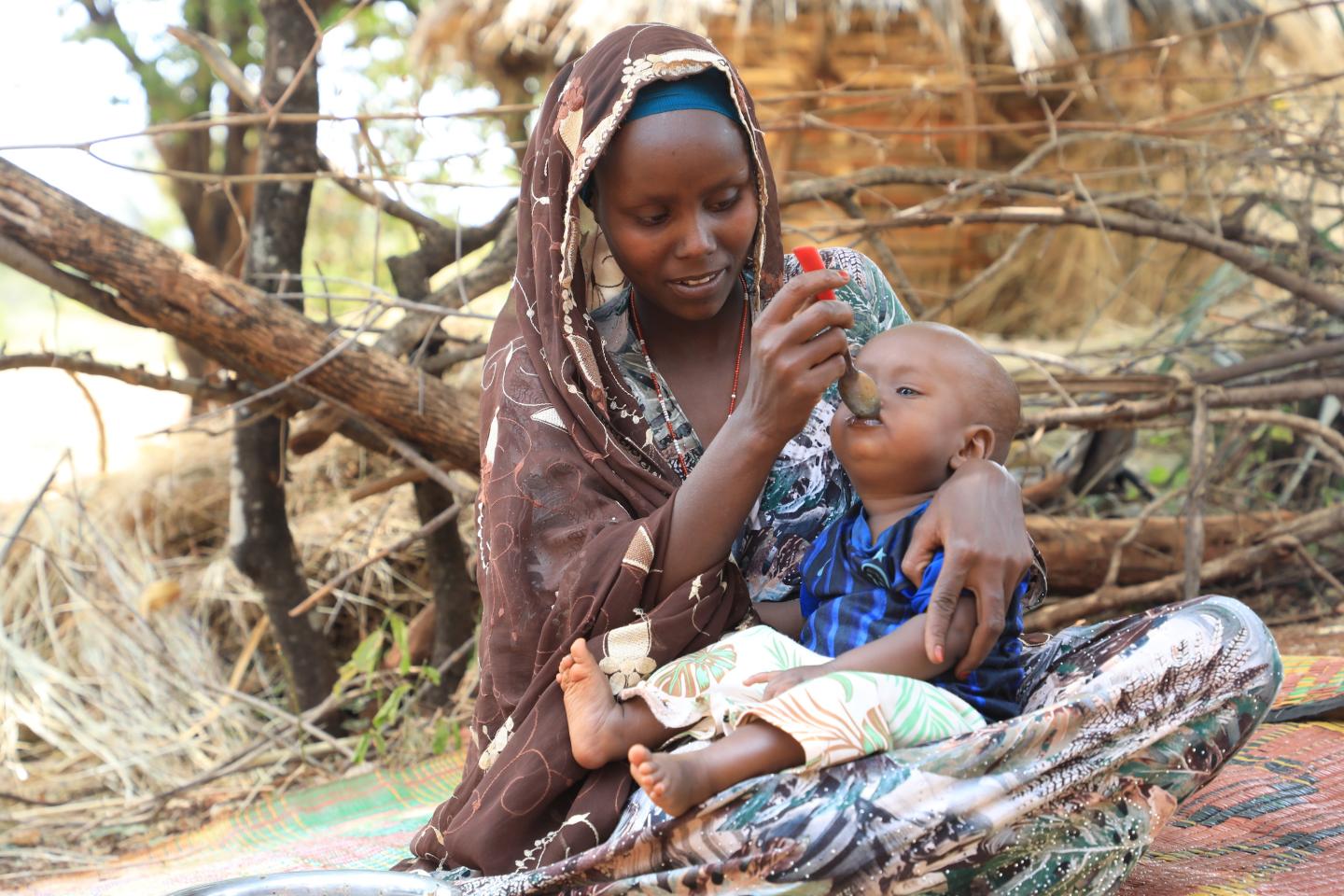
The day after arriving, Muaris underwent corrective surgery at Dodola Hospital. Since then, the change was immediate. "After the corrective surgery, my child can breastfeed correctly. He can hold my breast, and he can eat food properly," says Timira with confidence. "Now he doesn't cry a lot. He plays, eats well, and is in better health."
After the treatment and back home, Timira regularly takes him to the health centre for check-ups of his nutritional status. “I took him to the health centre weekly to check his status and to receive therapeutic food,” she says. Chaltu also confirms that. "His mother brings the child to the health centre. We check his MUAC and support her with feeding practices," she says
The transformation has extended beyond Muaris's health. Families who once said it was a curse and knew little about treatment options now seek her advice. "Some families who have children with similar conditions ask me how my child was treated. They ask me where I got the surgery. I advise them to take their child to the health centre and get treatment." Timira says.
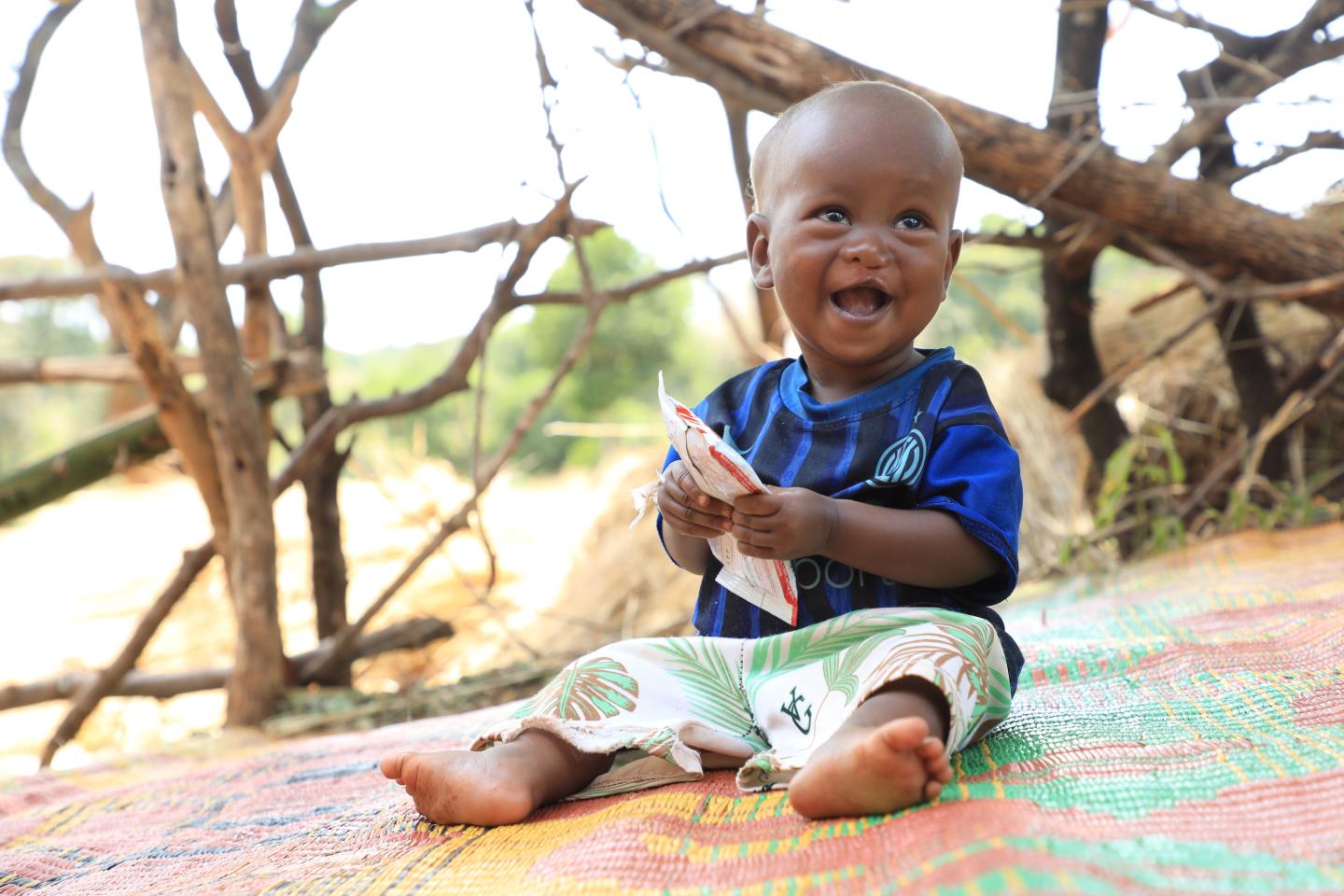
Today, the fear that once kept her indoors has been replaced by pride. "I feel happy and proud now. I am not afraid to take him out." Timira says with a smile.
For Chaltu, Muaris's story underscores the importance of identifying vulnerable children early and connecting them with services. "The community is also becoming more aware and bringing children with these conditions to the health centre immediately," Chaltu says.
World Vision, through Joint Emergency Operations, provided inclusive nutrition training for health workers to help them identify children with conditions such as cleft lip, raise awareness among families and communities, and link children to appropriate health services. So far, six children with cleft lip in Bale Zone have been identified, linked to the service, and undergone corrective surgery like Muaris.
By Samuel Zerihun, Storytelling Specialist, World Vision Ethiopia