
How Unemployment Fuels Trafficking in Persons: Lineo’s Story of Survival and New Beginnings

By Reentseng Phephetho, Communication and Digital Officer
In Lesotho, unemployment remains one of the main drivers of Trafficking in Persons, pushing many people—especially young women—into dangerous situations in search of work to sustain themselves and their families.
For Lineo (not her real name), this reality became painfully true.
In January 2022, Lineo asked a close friend who was working in South Africa to help her find employment. Like many young women facing limited opportunities at home, Lineo hoped that a job across the border would offer her a chance at a better life. Her friend promised to assist. Months later, in June 2022, the friend returned home to Quthing with good news—she had found Lineo a job, and they would travel together.
“I was so happy, already seeing my problems gone just with the first salary,” Lineo shared.
She was told she would be employed as a shopkeeper, earning R3,500 per month. One morning, the two women left for South Africa. Lineo felt fulfilled and hopeful, imagining herself finally living the kind of life her friend appeared to have—stable and dignified. Upon arrival, Lineo spent the night at a friend’s house. The following day, a man came to fetch her and take her to her workplace. What awaited her was far from what she had imagined—a small shack with one tiny window, and inside it, a corner prepared for her to sleep.
“I started having fear just by looking at the environment I was going to work and sleep in,” Lineo said, shivering at the memory.
Despite her fear, Lineo began working. At the end of the month, she did not receive her salary. Instead, she was told she was not working hard enough and did not deserve to be paid. Soon after, the man added more responsibilities—Lineo was now expected to do domestic work in the nearby house (Employer’s house) and take care of children as they went to school. In return, he promised to double her salary.
Lineo continued working as both a shopkeeper and a domestic worker. As days passed, the man’s behaviour became increasingly abusive. He would shout at her whenever she served male customers. One day, he physically assaulted her for having a longer conversation with a regular male client. “I started asking God, what did I do to deserve this?” Lineo echoed.
After this incident, the man told Lineo that from that moment on, she was his wife. He would force himself on her whenever he wished. Eventually, Lineo fell pregnant.
“When I told him about the pregnancy, he shouted and said he has his own wife and family and that I should never try to destroy his family,” she said.
One day, the man brought pills and instructed Lineo to lie down. He forcibly inserted them inside her. They were abortion pills, and Lineo spent the entire day in pain and bleeding. It was a terrifying and traumatic experience.
Lineo had no cellphone and no way to contact her family. She was never paid. Desperate, she began secretly keeping small amounts of money from the shop and hid it inside a Dawn container. For three months, she waited and searched for a chance to escape.
Her opportunity came through an unexpected plan. Lineo decided to get closer to the man’s children, earning their trust and affection. The gate to the yard was always locked, and she was never allowed to leave alone. One day, she made a deal with the children—to secretly take the gate keys, go to a nearby shop, buy treats, and return.
That day became her escape.
Lineo ran and sought refuge in a nearby household—a young woman and a man who welcomed her and offered safety. When asked for contact details of her family, Lineo could not remember any phone numbers. She only shared the Facebook username of her cousin living in South Africa. Through social media, the family managed to locate her cousin, and arrangements were made for Lineo to return home.
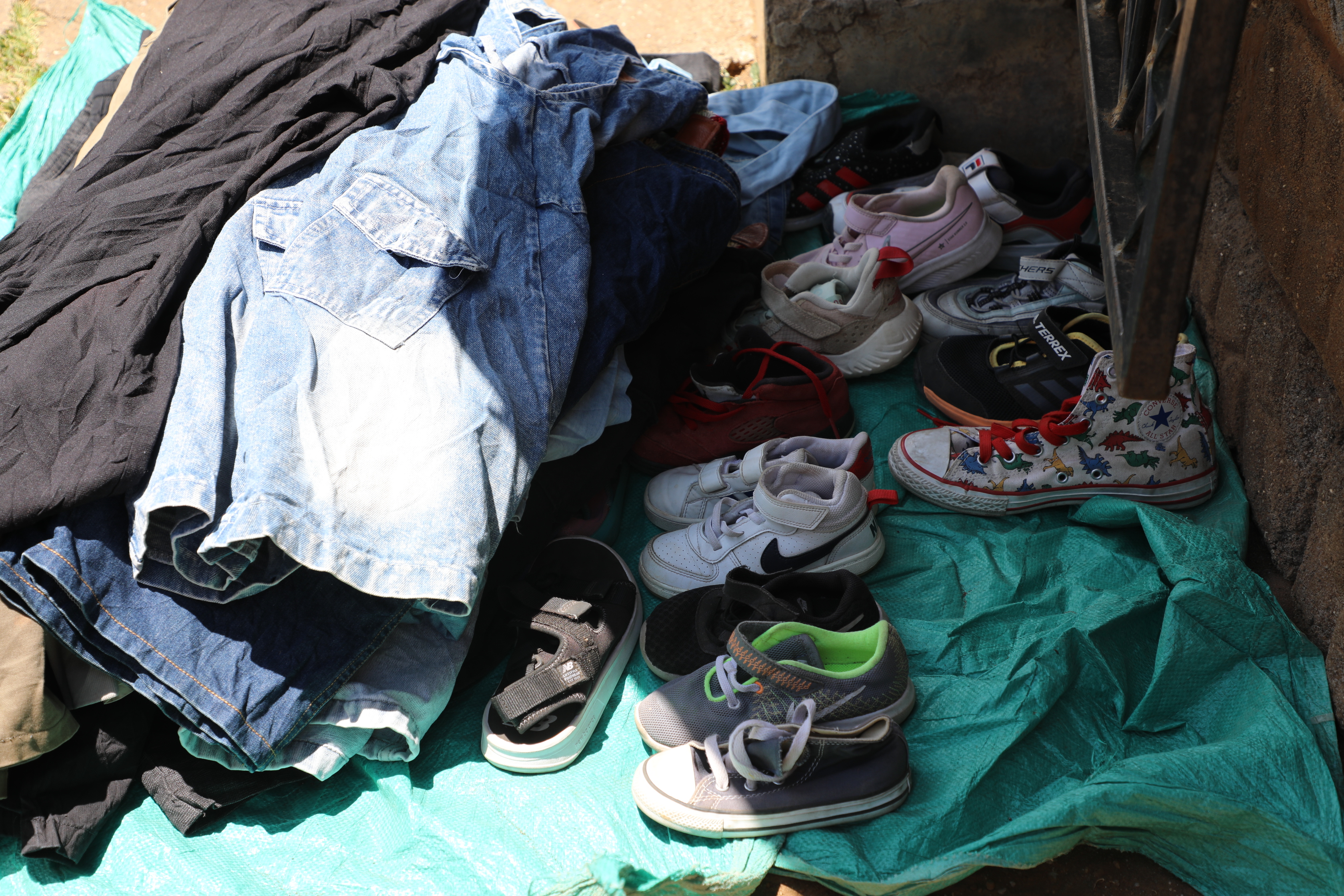
Back in Lesotho, Lineo’s aunt—who had been caring for her before she left—welcomed her and advised her to return to school at a tertiary institution. “It was really hard for me to share this story. I felt embarrassed,” Lineo admitted.
With time, Lineo gathered the courage to open up to a friend, who then linked her to the Migrant Workers Association of Lesotho, an organization supporting victims of trafficking. Through this support, Lineo was connected to World Vision Lesotho under the Promotion and Protection of Human Rights (PPHR) project, funded by the European Union.
When asked what livelihood support she preferred, Lineo requested second-hand clothing stock, a business she had previously engaged in. In August 2025, World Vision provided her with clothing stock worth M15,800.00, including dungaree dresses, T-shirts, sneakers, and men’s trousers.
This intervention marked a turning point in Lineo’s life.
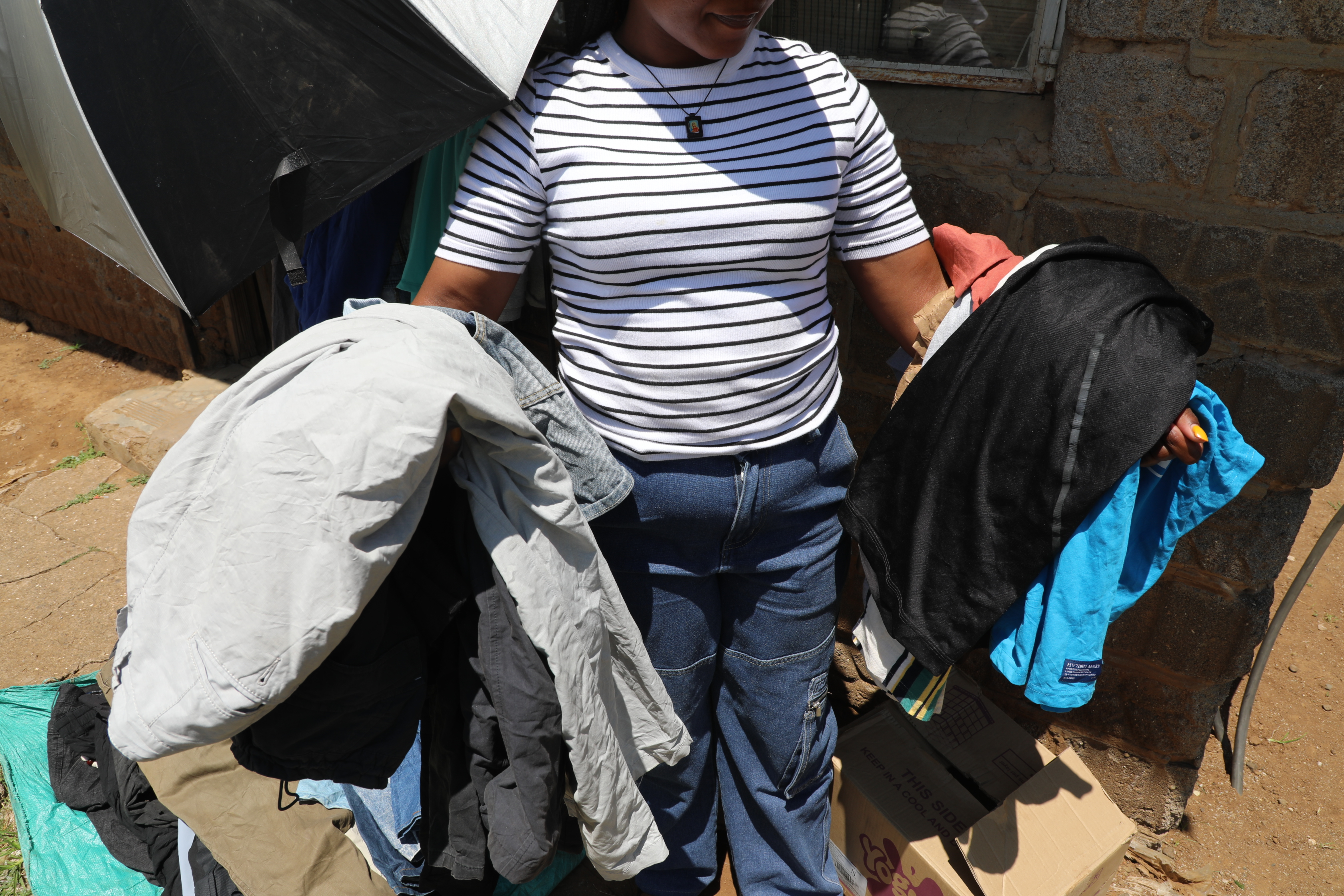
She is now earning an income, waking up every day with renewed purpose and hope. “On good days, I dream of owning a chicken business—raising and selling chickens,” she shared.
With the profits from her clothing business, Lineo is saving toward this dream. Passionate about selling, she believes her future is once again within reach. In her final words, Lineo urges all Basotho—especially young women—to verify job opportunities before leaving home.
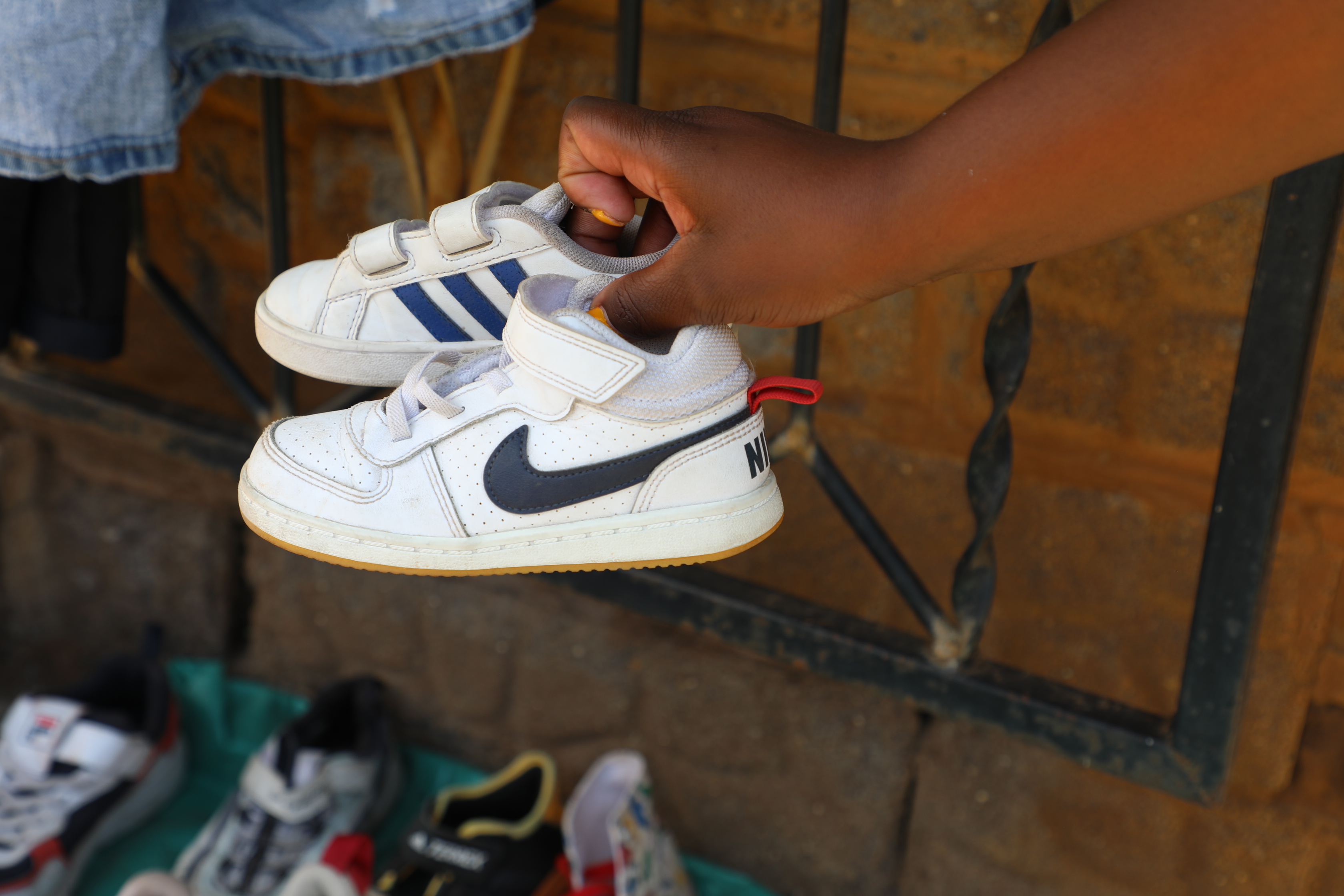
“Unemployment can make people take uninformed decisions about their lives. I am wiser now,” she said. “I advise young women to refrain from falling into this trap. It was terrifying. I thank God that I made it back home, because some people lose their lives.”
Her story is a powerful reminder of the urgent need to stand together against Trafficking in Persons—to protect, to prevent, and to restore hope.