
Asta’s Fight for a Future: From Labour to Learning

When Asta’s father left the family, everything changed.
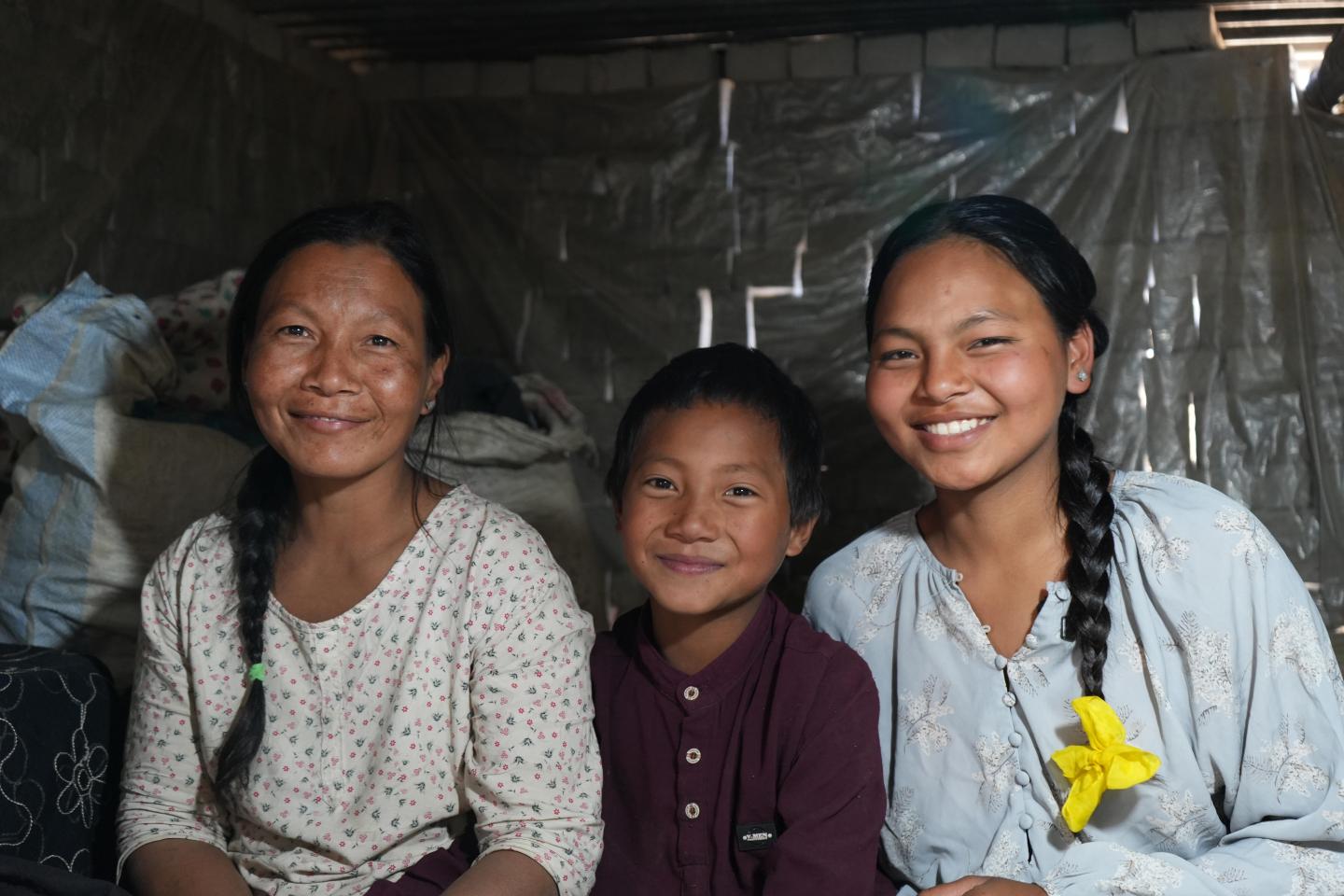
He walked away, leaving behind Asta (13), her mother Aiti, her younger sister (12), and her little brother (10). The weight of survival fell on Aiti’s shoulders, and gradually, onto Asta’s as well. There was no steady income. No security. And not even a little space to think about school.
Aiti, made a decision that did not feel like a choice. She gathered her children and left Makwanpur, hoping Kathmandu might offer something better. What they found was work at a brick industry in Lalitpur.
The family moved into a jhyauli (small, fragile shelter made by stacking raw bricks together), provided by the brick industry for workers. It was only a single room, barely enough for the family to live in, but it was the only option they had. Life there was harsh. Days revolved around labour, not learning.
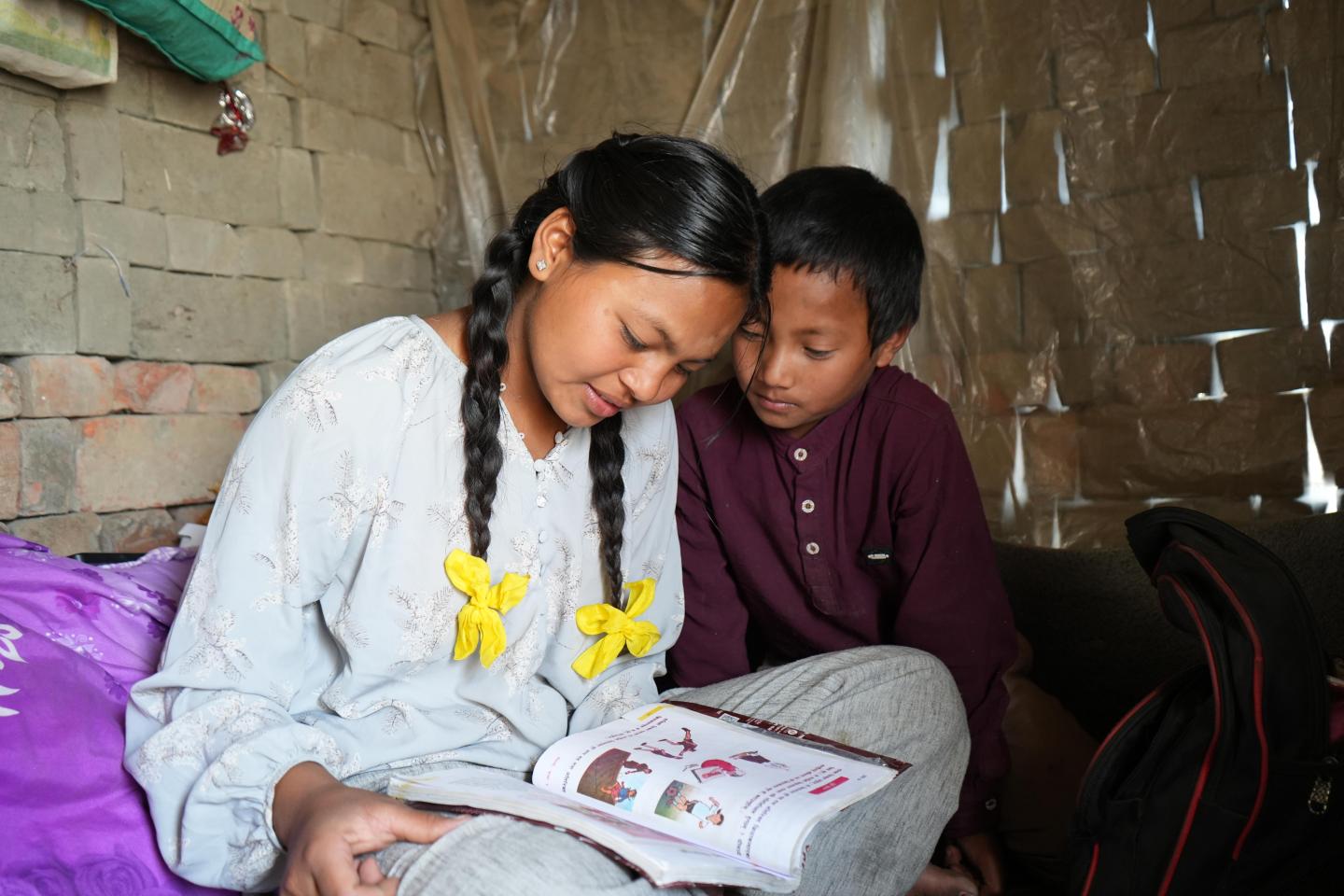
Aiti wanted her children, especially Asta, to go to school. She tried to enrol her. But there was a problem. Asta did not have a birth certificate.
Instead, Asta cleaned, cooked, and cared for her younger siblings. She supported her mother with household responsibilities and even helped with labour work at the brick kiln. While other children carried books, she carried responsibilities. “I felt that my friends would study and become something in life,” Asta says. “And I wouldn’t be able to achieve anything. It used to hurt me.”
Things were going to change when World Vision International Nepal, through its implementing partner Child Development Society (CDS), reached their community. Through the BRiCKK Plus project, the family received the support they had long needed, not just technically but also in addressing the barriers preventing Asta from accessing education. With this support, Asta was finally able to obtain her birth certificate. That single step changed everything, and she could finally enrol in school in Grade 6. “I felt happy that I could finally study,” she says.
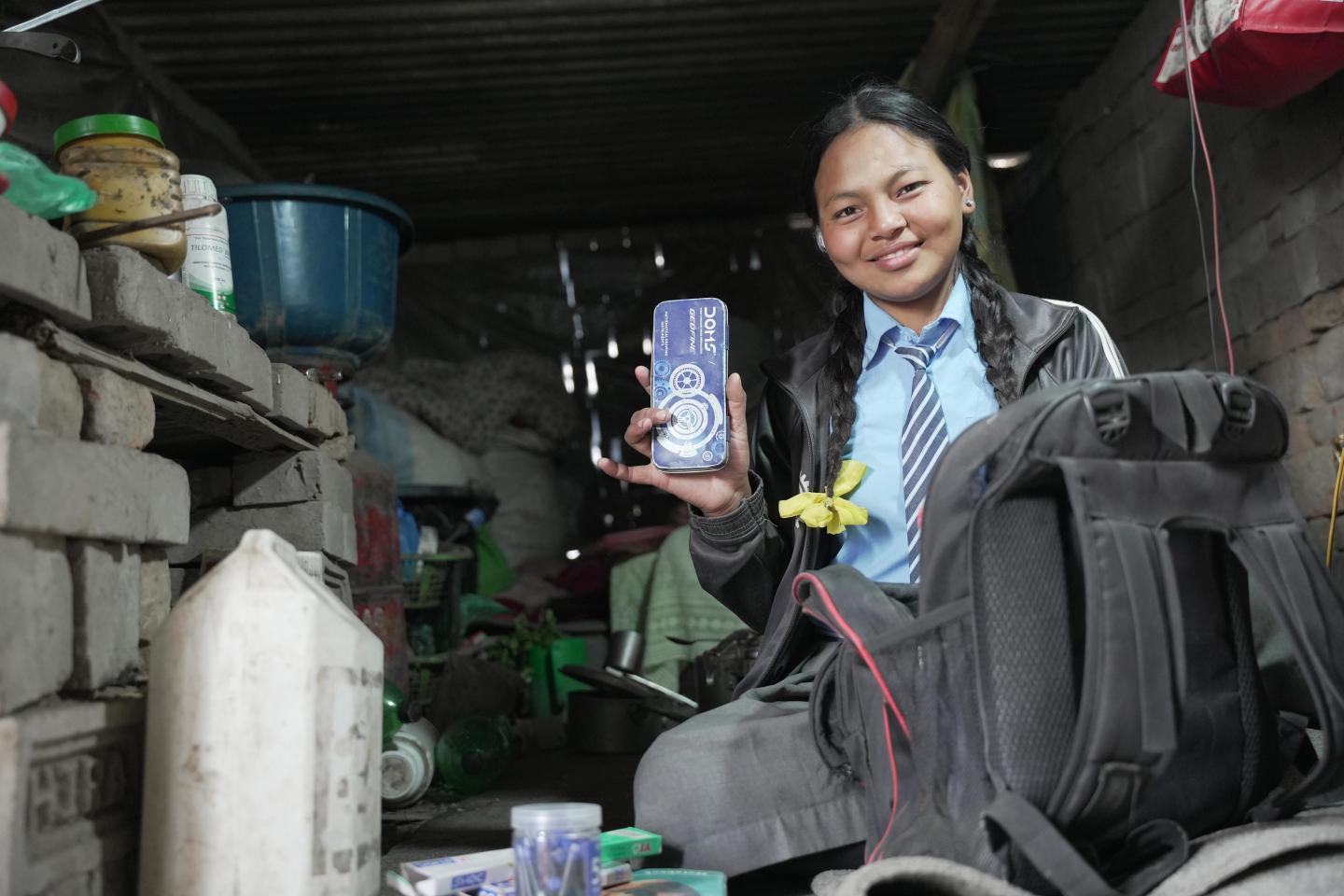
The support did not stop there. World Vision International Nepal and CDS also supported Asta with books, notebooks, pens, a school bag, and other essential learning materials. For a family struggling to meet basic needs, this support made a significant difference. It reduced the financial burden of education and made it possible for Asta to continue attending school without interruption.
“At that time, I didn’t know how I would manage to buy notebooks,” Asta says. “When I received them, I felt relieved and hopeful.”
At home, Aiti noticed the changes, too. Her children were happier. More confident and more focused on their future. Today, Asta is back in school, learning, growing, and slowly catching up on the years she lost. But more importantly, she is dreaming again. Asta now wants to become a doctor. Not only to succeed but also to give back.
“I want to help people who are poor,” she says. “So, they don’t have to face the same problems I did.”
Asta’s story is not just about returning to school. It is about removing the barriers that keep children away from education. A missing document. A broken system. Poverty. Migration. Child labour. Each one stood in her way. But with the determination of a mother and the right support at the right time, those barriers slowly began to fall.
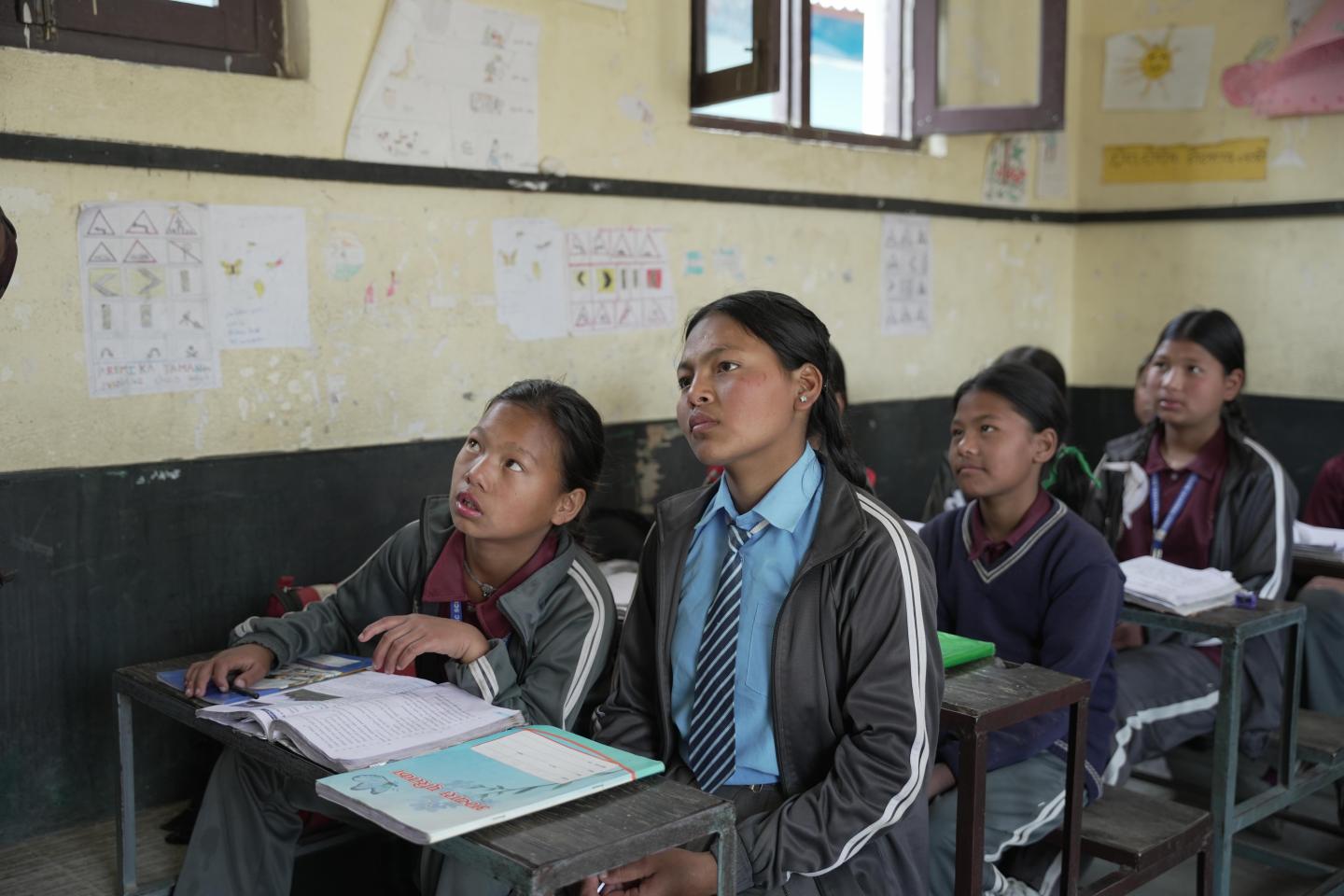
Today, Asta is no longer standing on the sidelines of education. She is sitting in a classroom, holding a pen, and writing her own future. Once burdened by responsibilities beyond her age, Asta is now moving forward with confidence, proving that education can transform not only a child’s future but an entire life. Her journey shows that when children are given the right support at the right time, barriers can be broken, dreams can be restored, and a brighter future becomes possible.
The Building Resilience of Children in Kathmandu Valley’s Brick Kilns (BRiCKK) Plus project is implemented in partnership with the Child Development Society, aiming to ensure that children and families in brick kilns are protected from hazardous labour and have access to decent and viable livelihoods. In line with this goal, the project has achieved significant results at both system and community levels. It supported 1 Child Labour Free Municipality declaration in Chandragiri and 1 Child Friendly Local Governance (CFLG) Ward declaration (Ward 14), while forming CFLG committees in all 13 wards and conducting 8 capacity-building trainings. It directly improved lives by facilitating the reintegration of 27 children affected by child labour, enabling 19 individuals to access vital registration, and linking 42 individuals to financial institutions. Essential services were strengthened through day care support to 255 children (128 girls and 127 boys) and distribution of educational materials to 420 students (229 girls and 191 boys) to help continue their education. In addition, 310 families of brick kiln workers were enrolled in the Government of Nepal’s health insurance programme, while 29 families received vocational training and income-generating support. The project also addressed dignity and wellbeing needs by providing 114 dignity kits to adolescents and pregnant and lactating women working in brick kilns.
Text and Photographs by Deepshikha Shrestha (Communications Officer - WVI Nepal)