
From the Finance Desk to Humanitarian Action

Pabitra Karki | Grant & Program Finance Coordinator | National Office
"From the finance desk to the heart of humanitarian action, every timely decision, every resource, and every effort can make a difference."
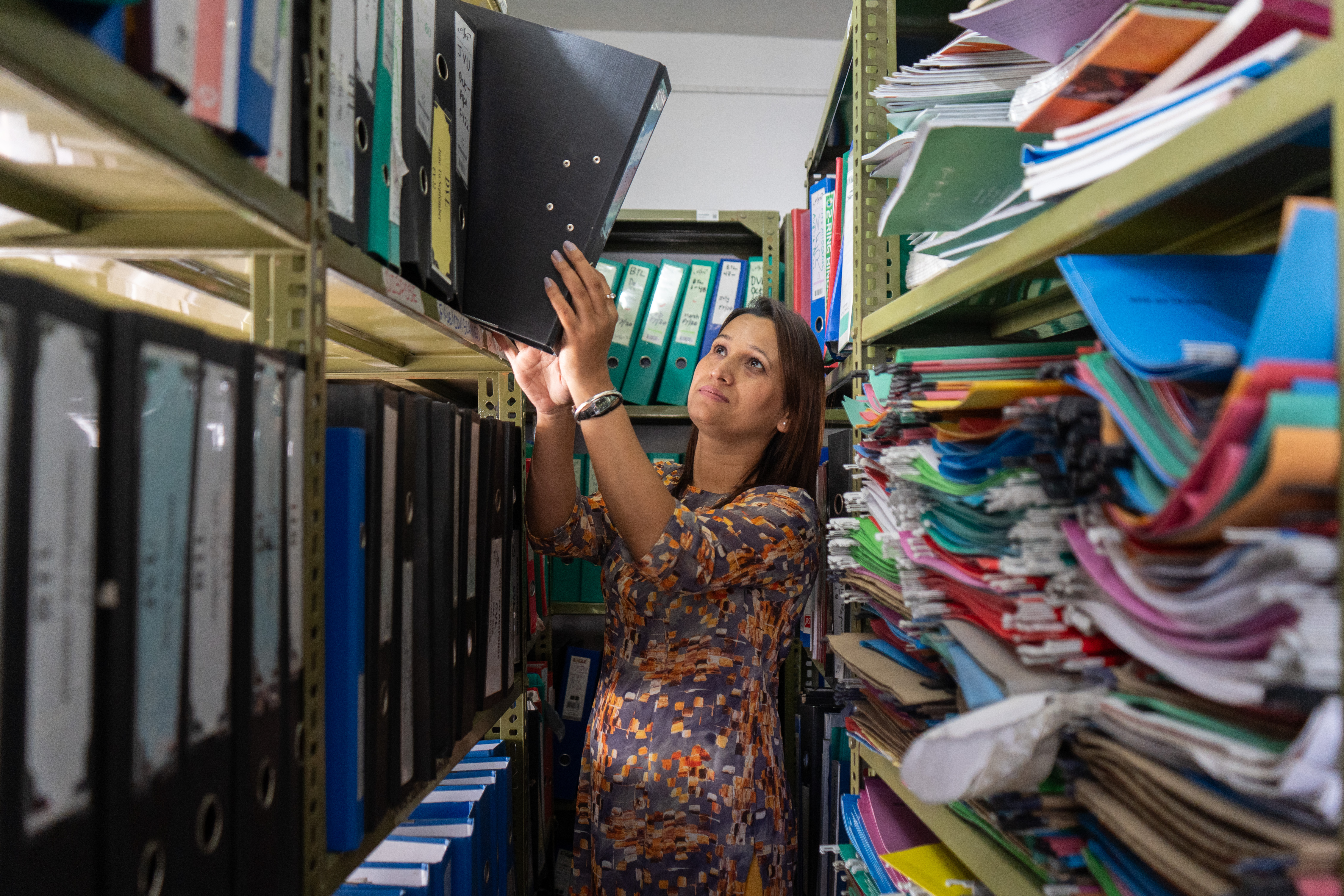
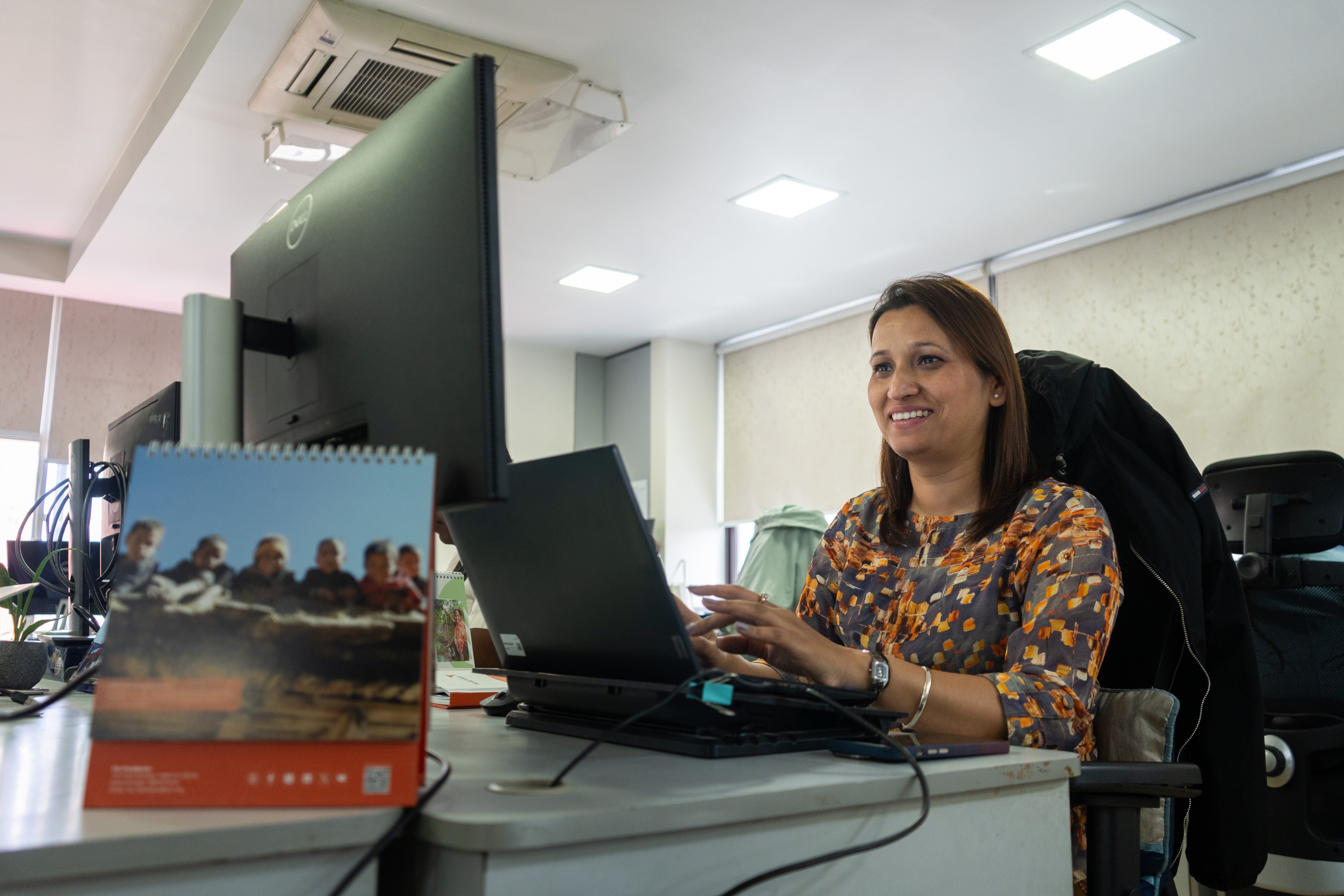
For Pabitra Karki, humanitarian response is not only about what happens on the frontlines. It is also about the people working behind the scenes to ensure that resources are available, funds are managed responsibly, and support reaches communities when they need it most. As a Grant & Program Finance Coordinator with World Vision International Nepal, she has spent more than a decade contributing to that effort through her work in finance. In her current role, Pabitra oversees the financial management of grants and Private Non-Sponsorship projects. While she does not work directly with affected communities, she understands how important her role is in enabling humanitarian responses to function effectively.
"I believe that every contribution matters," she says. Through timely financial support, responsive resource management, and proper stewardship of donor funds, she helps ensure that humanitarian teams have the resources they need to respond without unnecessary delays. Seeing how effective financial management contributes to timely humanitarian assistance gives her a strong sense of purpose and motivates her to carry out her responsibilities with commitment and accountability.
When a National Crisis Became Personal
One of the experiences that has stayed with Pabitra is her involvement in the 2015 Nepal Earthquake Response. The disaster affected not only the communities World Vision was supporting, but also her own family. Despite their circumstances, her family encouraged and supported her so that she could continue contributing to the response.
At the time, she was serving as a Finance Assistant. Like many across the country, she grappled with uncertainty, fear, and emotional exhaustion. Yet what she remembers most vividly is the dedication and energy of her finance team as they worked tirelessly to support the emergency response. The workload was immense. The team processed a high volume of financial transactions, managed supporting documentation, and coordinated payments for vendors, staff, and international personnel. Long days became the norm, and lunch breaks were often skipped to ensure that critical work was completed on time. Despite the pressure, the team maintained accuracy, accountability, and integrity throughout the response.
What kept them going was a shared understanding that their work mattered. "Knowing that our financial support enabled humanitarian teams to respond to people's urgent needs was one of the strongest driving forces behind our commitment," Pabitra reflects.
Working Under Pressure
The earthquake response brought significant challenges. Managing a large volume of transactions within tight deadlines required constant attention to detail while maintaining compliance with organisational policies. Cash management added another layer of complexity, with large amounts of funds needing to be withdrawn and transported to support emergency operations.
The intense workload and urgency of the response created constant pressure. However, the experience strengthened Pabitra's ability to work under challenging conditions, manage risks, and contribute effectively as part of a humanitarian response team. It also exposed her to colleagues from different countries and backgrounds, broadening her understanding of cultural diversity and the importance of adaptability and effective communication.
Making a Difference Behind the Scenes
For many people, finance is not the first function that comes to mind during an emergency response. Yet Pabitra saw firsthand how essential it was. Her role involved processing payments, managing cash transactions, reviewing supporting documents, and ensuring compliance with organisational policies. She also worked closely with vendors, partners, and communities, building relationships and helping resolve issues quickly so that response activities could continue without interruption.
By ensuring timely payments and maintaining accountability, she helped create the conditions that allowed relief operations to move forward smoothly. Her team's work helped ensure that resources were used responsibly and that assistance could reach affected communities as quickly as possible.
A Memorable Deployment to Barpak
One experience that particularly stands out was her one-month deployment to Barpak, Gorkha, one of the areas hardest hit by the earthquake. Convincing her parents to allow her to work in an area still vulnerable to aftershocks was not easy, but she was determined to contribute to the response effort.
During the deployment, her primary responsibility was ensuring the timely release of funds to partners. By working closely with partners and project teams to address documentation requirements without unnecessary delays, she helped ensure that planned distributions and response activities could continue as scheduled.
The experience reinforced an important lesson: effective finance support can have a direct impact on the timely delivery of humanitarian assistance.
A Commitment to Service
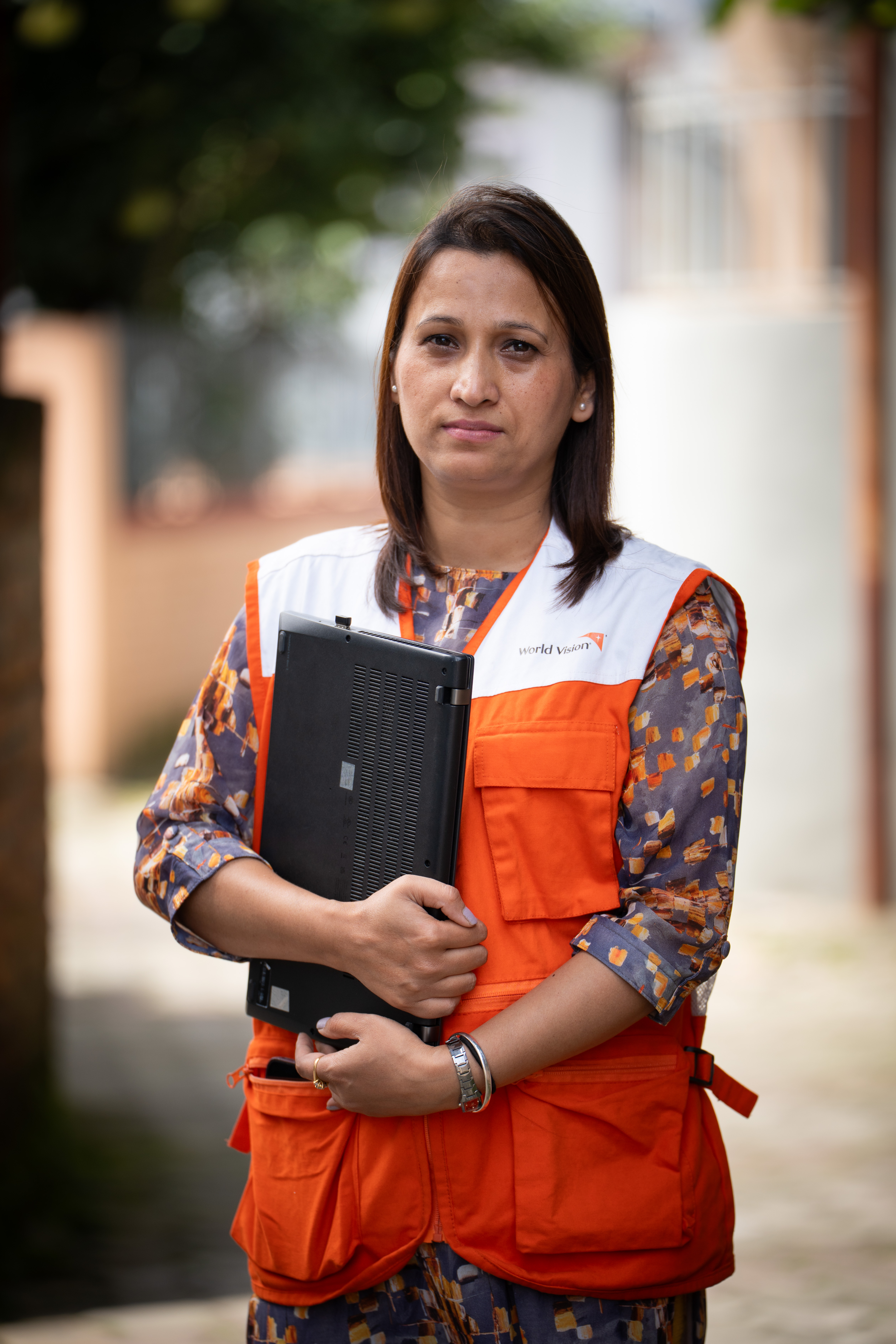
For Pabitra, one of the strongest motivations for supporting humanitarian work is the opportunity to contribute to life-saving action for people in need. Even during demanding situations, she remains committed because she knows that every financial decision plays a role in the larger response effort.
"Every dollar managed, every financial report accurately prepared, and every timely payment contributes to the broader humanitarian response," she says. "Being part of a team that makes a meaningful difference in the lives of affected communities gives me a strong sense of purpose."
To Pabitra, being a humanitarian means serving people with compassion, integrity, and accountability, particularly during their most difficult moments. It also means recognising the importance of personal well-being while supporting others. Although she works behind the scenes, she believes that every budget, report, and financial process contributes to helping vulnerable communities receive the support they need.