
A Garden of Opportunity: Rebuilding Lives through Sustainable Agriculture

For 38-year-old Ayiik, farming has never been just a livelihood; it is a way of life.
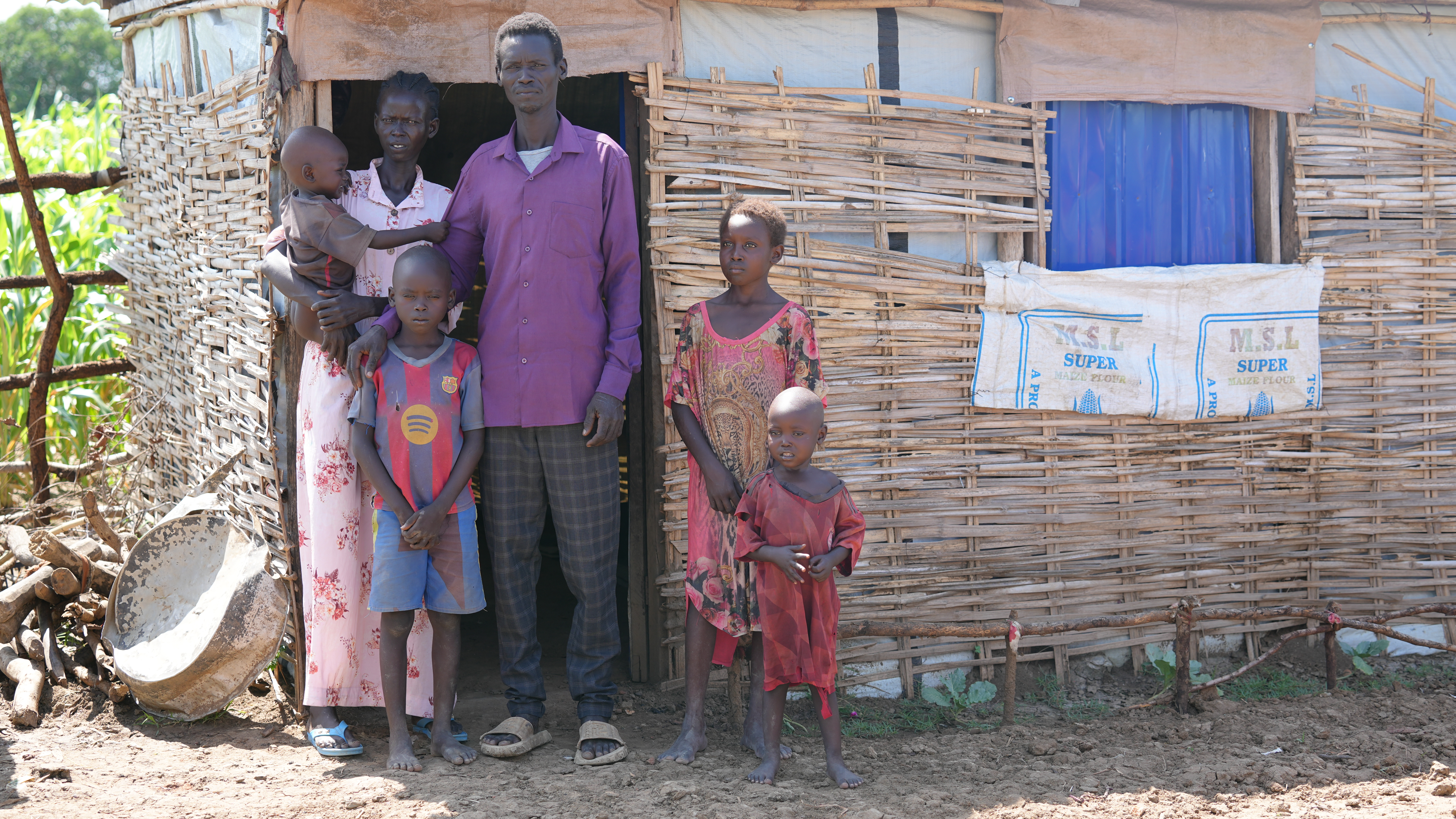
Before the war in Sudan, Ayiik was working on one of the farms in South Kordofan. Life was stable, and he was able to support his wife and children with his agricultural work. But when the war began, everything changed. Ayik sent his family to South Sudan, worried about their safety, and stayed behind hoping to continue working.
His decision was harder than he had imagined.
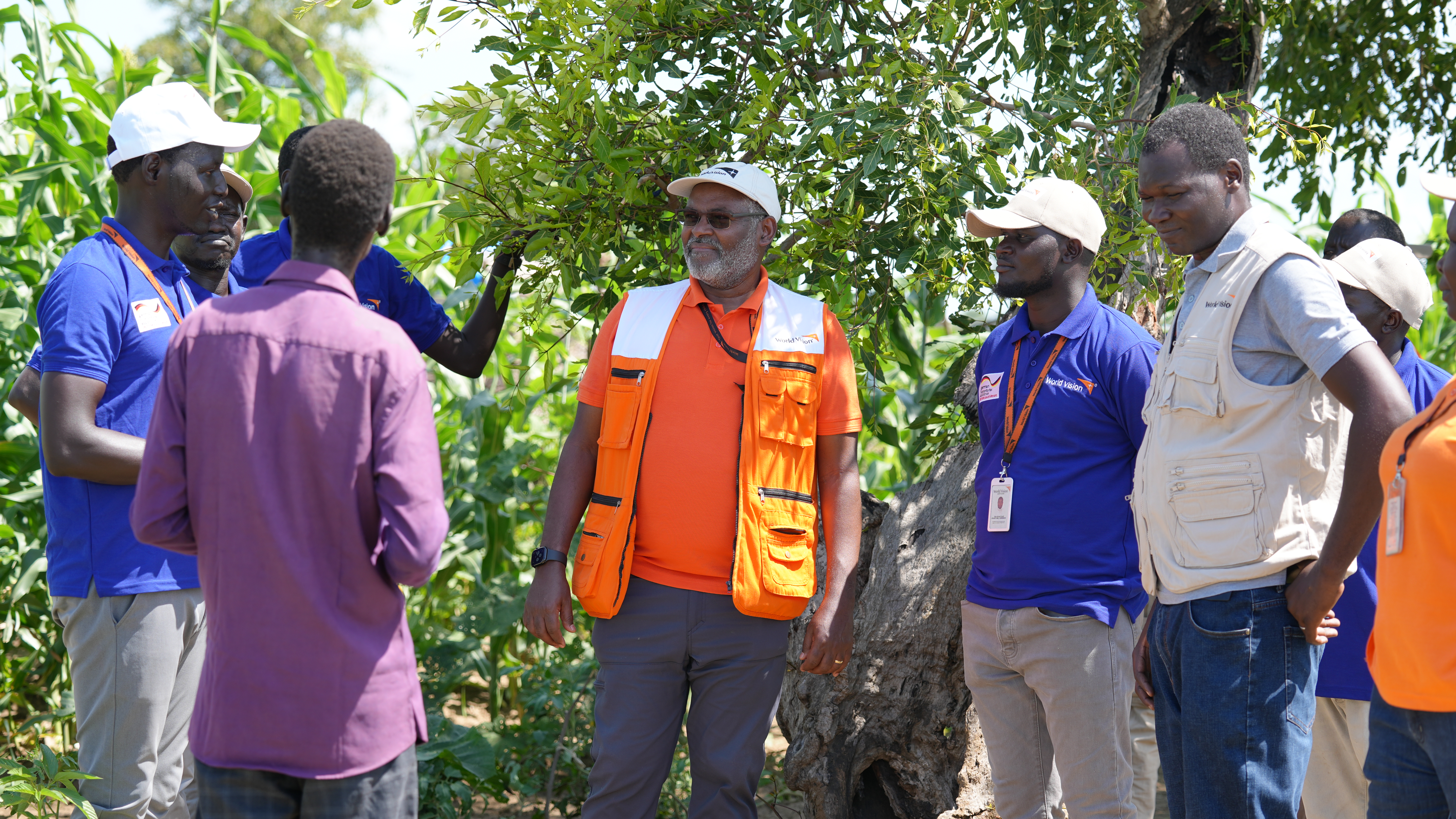
The conflict grew worse; work opportunities disappeared. In less than six months, Ayiik lost his job and could no longer remotely support his family. He travelled to South Sudan in search of his loved ones.
"I saw that life in the camp was hard for us," recalls Ayiik. "There wasn't enough to eat, and my children were suffering.”
The family left the camp in search of a better future and settled in Mangar Tong, where they built a temporary shelter and started rebuilding their lives from scratch.
The hope came through the German Federal Foreign Office (GFFO) Project implemented by World Vision. The project provides training for smallholder farmers in Northern Bahr el Ghazal on sustainable and environmentally friendly farming practices that build resilience to climate and economic shocks.
Ayiik immediately grasped the training.
Using the skills and techniques acquired from the training and drawing on the farming experience he had gained in Sudan, he set up a home garden. Soon his efforts paid off.
“In less than six months, I was harvesting vegetables from my garden,” he says proudly.
The effect on his family was immediate. Fresh vegetables improved the household’s nutrition so that the garden produced enough to feed the family and had a surplus crop to be sold in the local market.
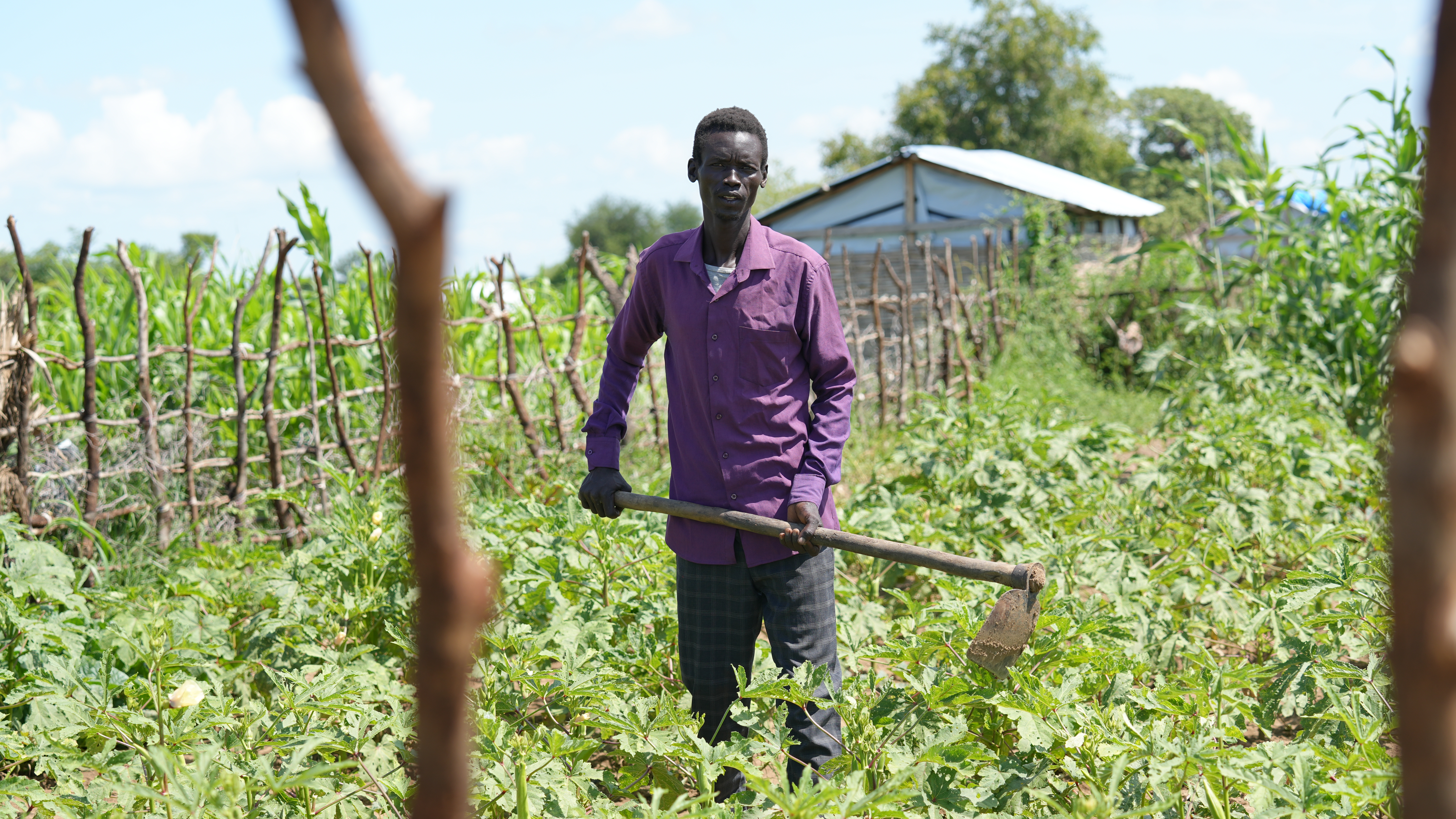
Today, Ayiik’s children have enough food to eat, and his wife takes surplus produce to the market, giving the family a steady income.
“On a good day, my wife can come home with between 60,000 and 100,000 South Sudanese pounds, which is about USD 12 to 20,” Ayiik shares. “It helps us meet other needs of the household.
World Vision’s GFFO project benefits go beyond agriculture. The project has also improved access to clean and safe water for residents of Mangar Tong through building a water hand pump. Dependable water sources have relieved the burden on families and helped create a healthier environment for the community.
Story by Leju Alan Roba | Communication officer