
For Mary, a latrine means safety for her children

When 30-year-old Mary Ayul thinks back to the night her family fled their home, she still remembers the fear.
“It was the cold feel of water and the loud cry from my youngest son that woke me up," she recalls.
In March 2026 floods forced Mary and her five children to flee their home in Nyilwal Boma, Panyikang County. Floods are not always accompanied by rain in her community.
"Sometimes it doesn't even rain," Mary explains. "When the River Nile swells, it bursts into the surrounding areas, creating streams that flow into our villages and flood our homes."
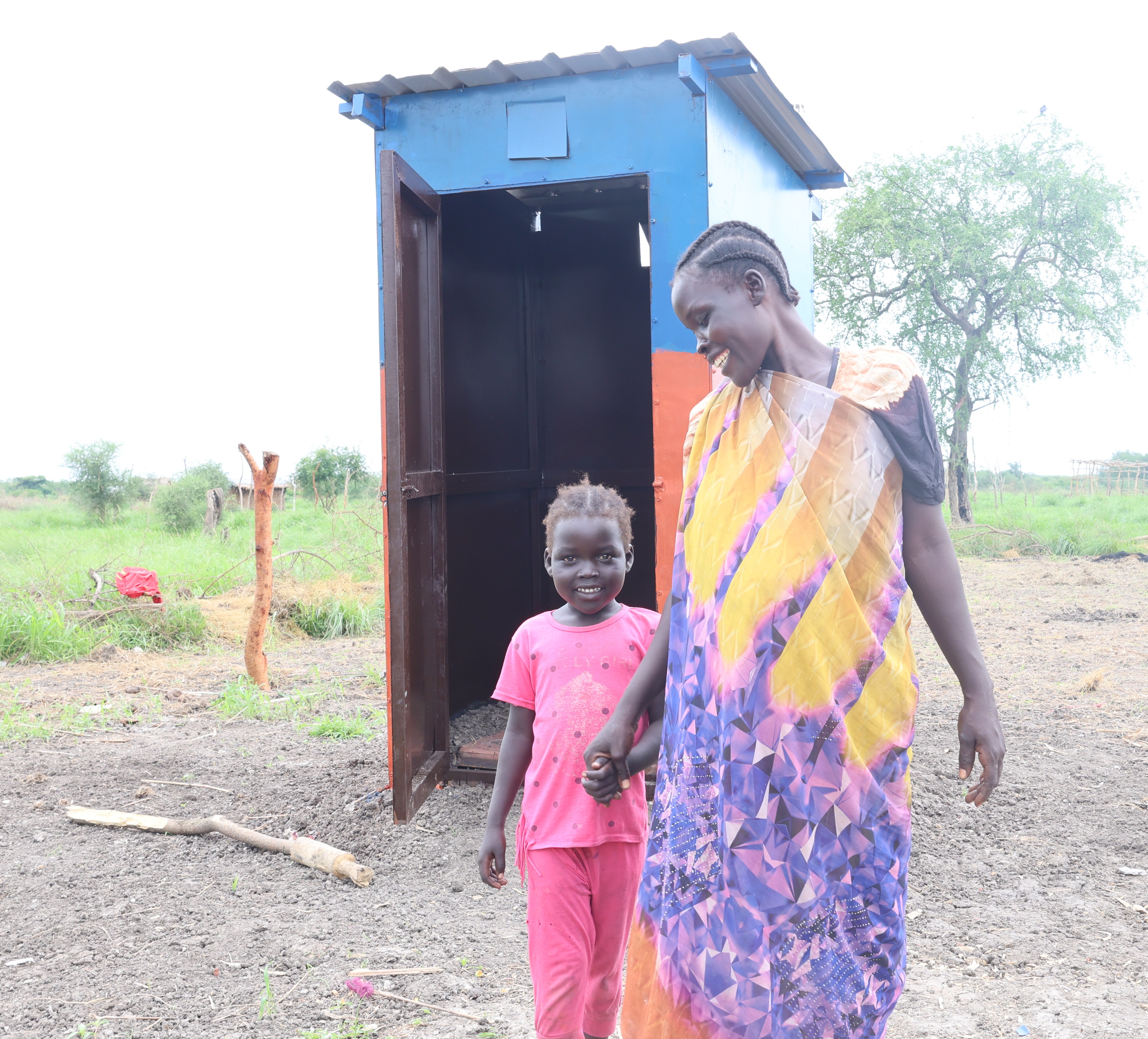
That night was no different. While families slept, water from the overflowing river quietly spread through the community. “By 3 a.m., I had to move with my five children to higher ground to protect them.”
The family left their home and all their belongings behind and found refuge in Tonga Payam with other families affected by the floods.
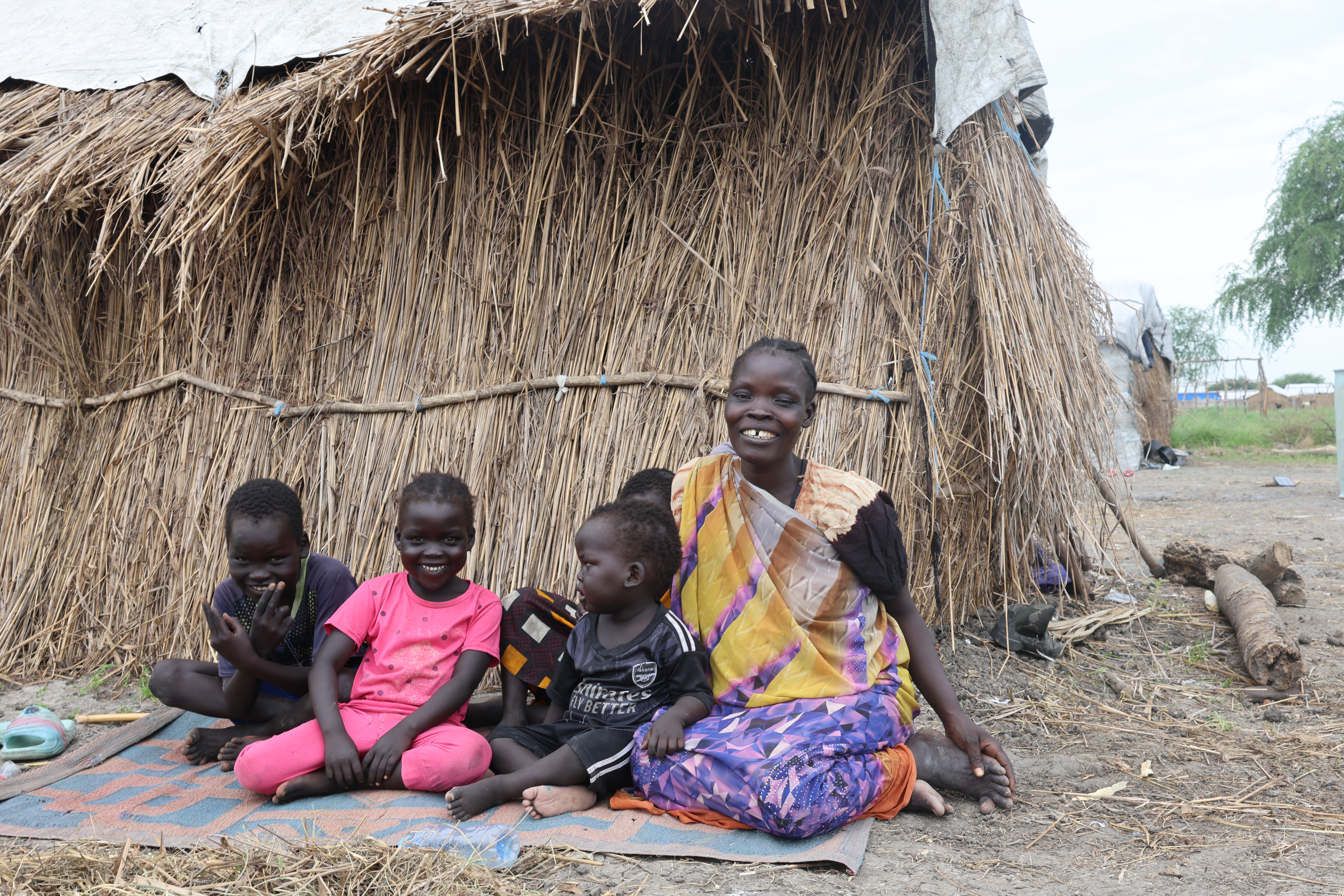
Shelter was just part of the concern for Mary. Living in displacement also raised new concerns about sanitation and the safety of her children.
“We needed a home and a latrine,” she explains. “As a woman, having a latrine helps preserve my dignity. It also protects us from dangers like snake bites when people have to go into the bushes."
To support families affected by the floods, World Vision, with funding from the South Sudan Humanitarian Fund (SSHF), constructed 30 latrines in Tonga Payam.
These facilities are providing displaced families with access to safe sanitation and reducing the health risks posed by open defecation.
Mary says the latrine has been a relief to her family, especially after witnessing the health risks that poor sanitation can create. “There were cases of cholera in my village,” she says.
“So having a latrine is such a relief for me. Our children's waste is easily disposed of, and my children are safe.” Says Mary Ayul
Today, what may look like a simple structure means much more to Mary. After losing so much to the floods, the latrine has restored a sense of dignity, safety and hope for a healthier future for her children.
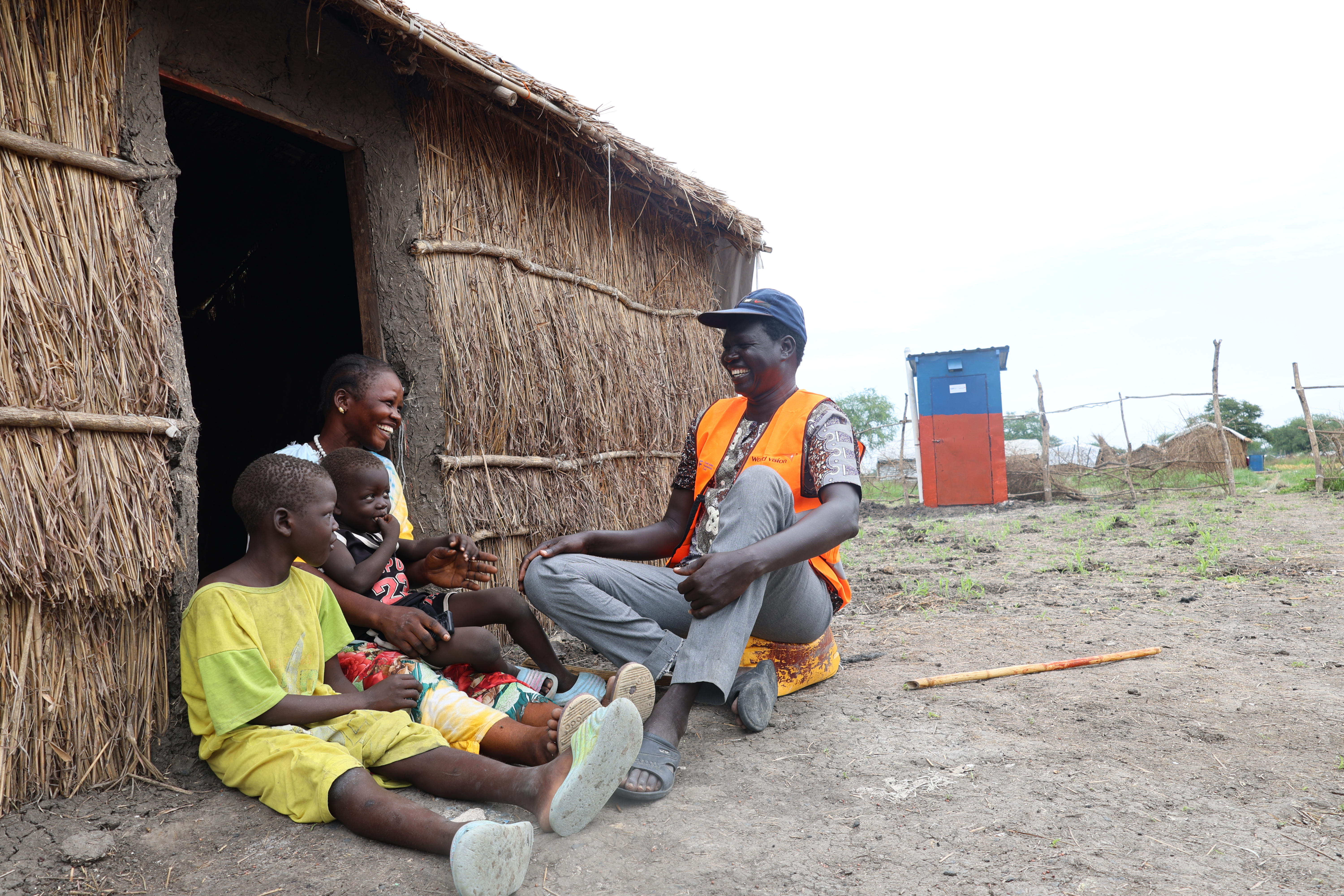
About the Project: This project delivers lifesaving water, sanitation and hygiene (WASH) services, including construction of 208 latrines in the community, schools and health facilities serving over 50,000 vulnerable people affected by conflicts and floods across six payams in Panyikang County.
Story and photos by Scovia Charles, Communications Officer