
Proper hygiene, a lifesaver in Dinyo Boma

Some parts of Upper Nile State sit at the mercy of two forces of nature that arrive every year without fail. the rains, and the rivers they feed. Each flood season, communities are pushed from their homes not once, but often repeatedly, as swelling rivers carve new streams and swallow the ground families had only just settled on.
Panyikang County has felt this cycle acutely. Villages across the county, along with displaced populations arriving from parts of neighboring Jonglei State, have watched the waters rise and retreat, rise and retreat each time forcing families to gather what little they can carry and search for higher ground.
Dinyo Boma has become one such refuge. Now home to hundreds of displaced people, all navigating the same uncertain rhythm, settle, survive, and stay ready to move again if the waters return. It is in this gap between survival and stability that hygiene promotion becomes not a convenience, but a lifeline.
That line is one that Monica and Josephine walk every single day.
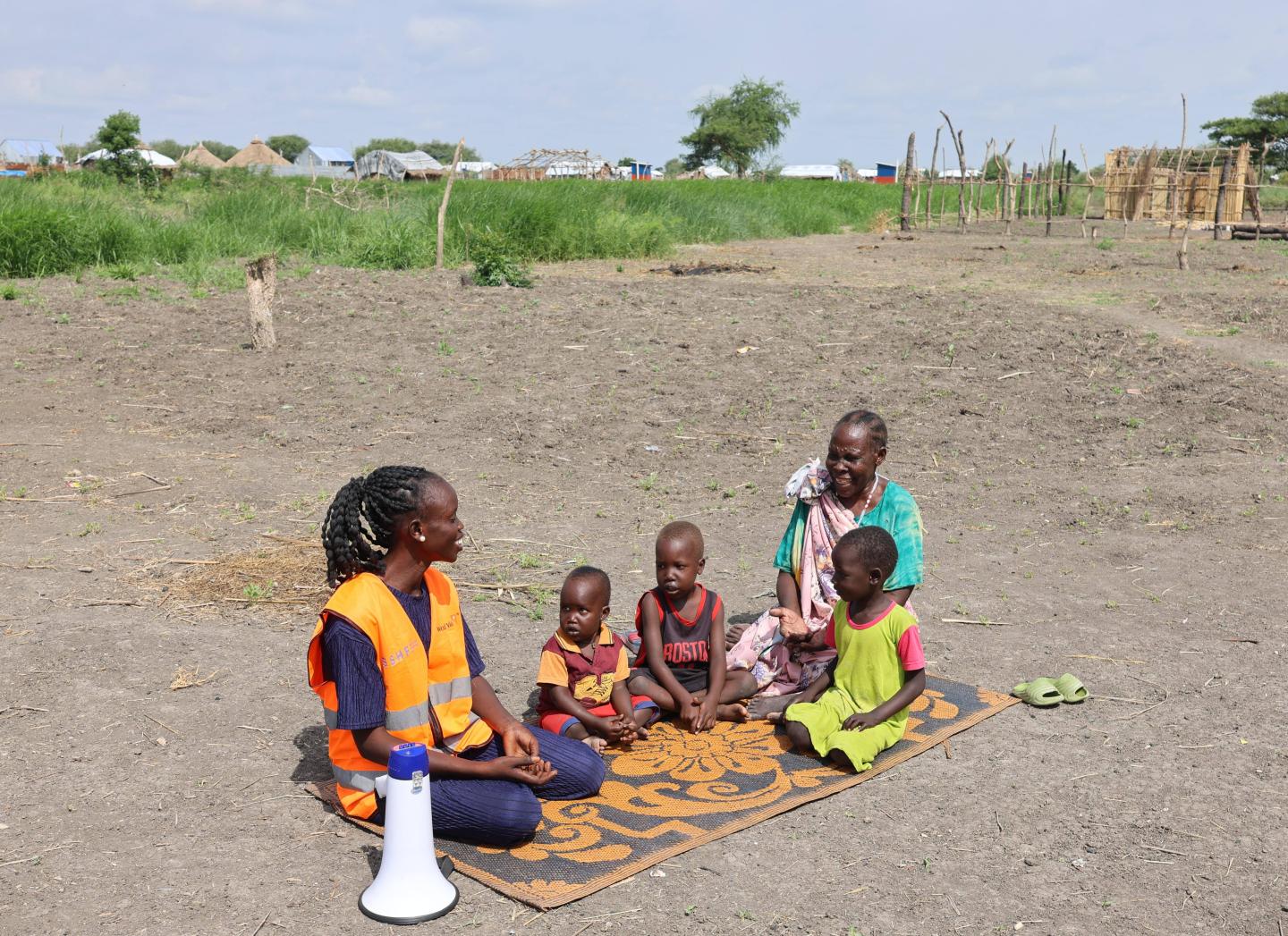
Monica’s mornings start where the children are. As a hygiene promoter with World Vision, supported by the South Sudan Humanitarian Fund (SSHF), her classroom is wherever a crowd of kids gathers a school compound, a patch of shade, a queue at the water point.
She teaches the basics, the kind of things many of us take for granted, wash your hands with soap and clean water, brush your teeth, keep your fingernails short, take a bath. Simple habits. But in a place where disease can spread through a single unwashed hand, they carry real weight.
“Teaching the children basic things like washing hands with soap and clean water, brushing teeth, bathing, and keeping fingernails short keep them safe from germs and diseases. That gives me fulfilment,” Monica says.
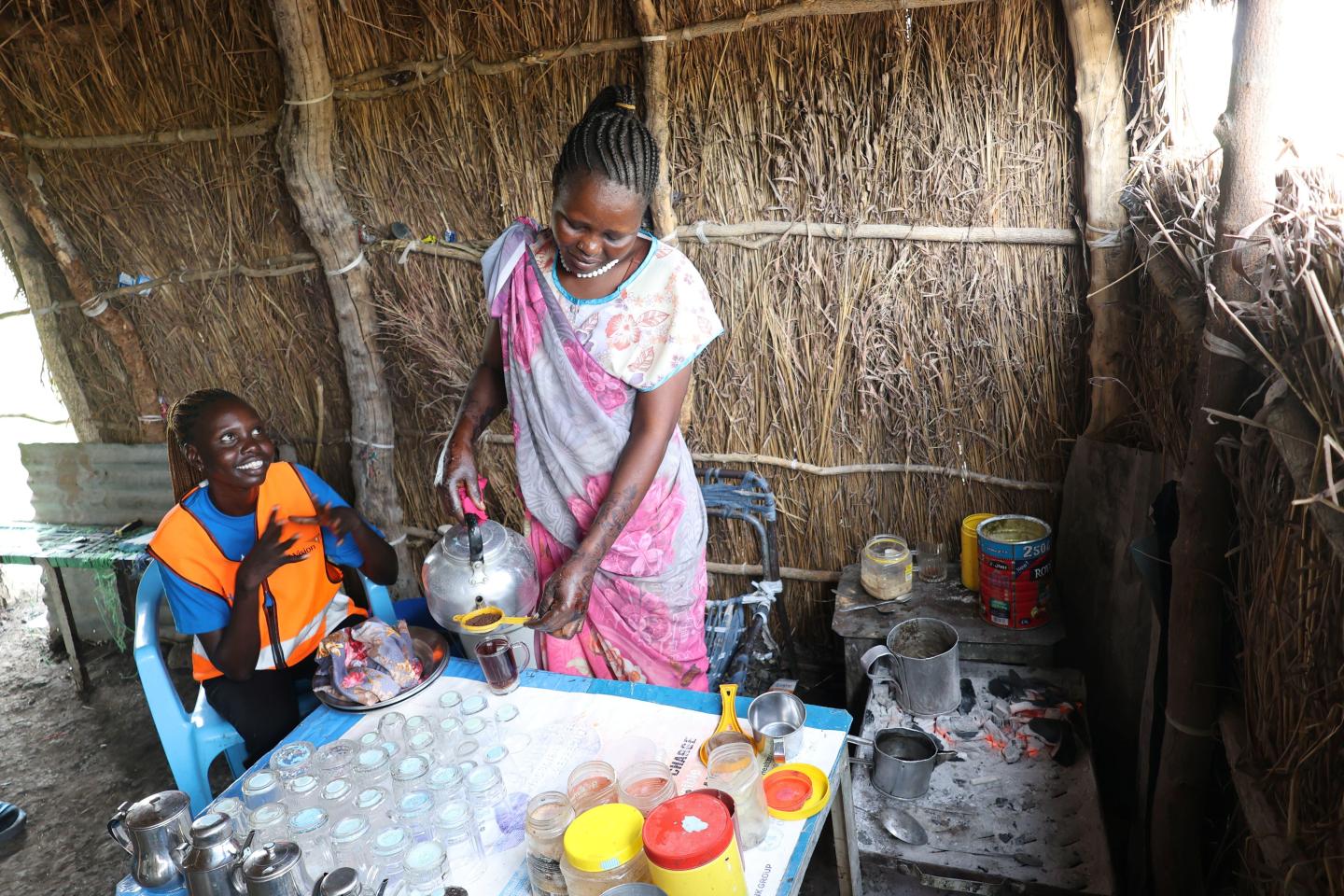
By midday, she's usually at the market, weaving between tea shops and food stalls where flies gather over open sugar bowls and uncovered snacks.
“Covering food is key to keeping away flies that might carry germs into things like sugar, and we emphasize handwashing and keeping the surroundings clean,” she explains.
While Monica works with children and shopkeepers, Josephine takes her message door to door, into the makeshift homes where families are still finding their footing.
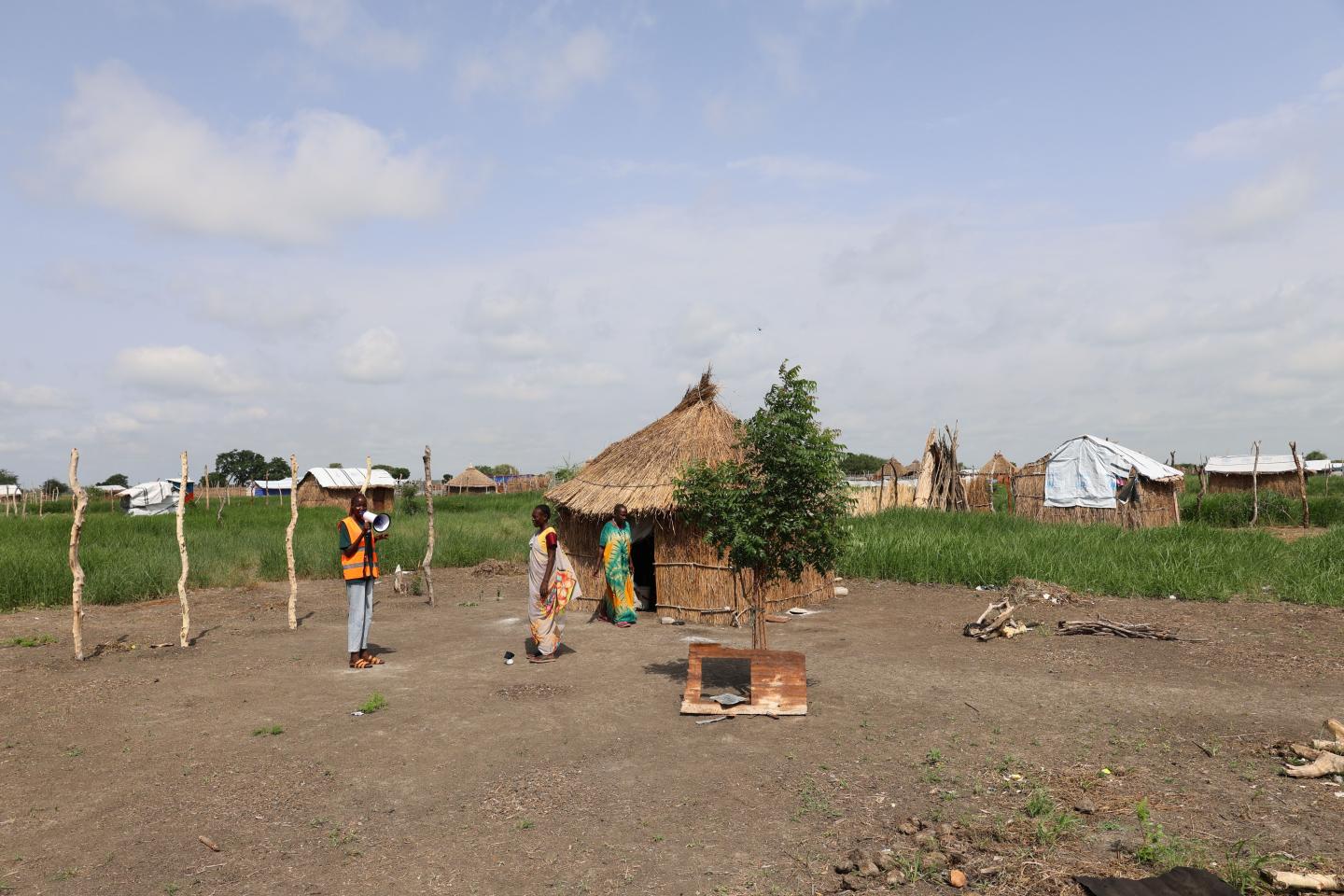
She’s noticed a pattern when people are displaced, their first instinct is to focus on the roof over their heads and the next meal. Hygiene often becomes an afterthought until it becomes a crisis.
“Moving to a new place, most mothers focus on shelter and food, forgetting that not properly disposing of children's waste is a risk. So, I go through the community reminding them of the basic hygiene practices to keep in their homes to keep safe,” Josephine says.
Her checklist reads like a quiet blueprint for staying well, clean dishes, covered food, safe disposal of children's waste, dustbins kept away from living spaces, grass cut short to keep mosquitoes and the diseases they carry.
Monica and Josephine are among 16 Hygiene promoters whose daily rounds are just one thread in a much larger effort. Their hygiene promotion work is part of a wider Water, Sanitation and Hygiene (WASH) emergency response that now reaches all six payams of Panyikang County.
Story and photos by Scovia Charles, Communications Officer/World Vision South Sudan