
From Risk to Safety: How better waste management is protecting mothers and communities in Renk County

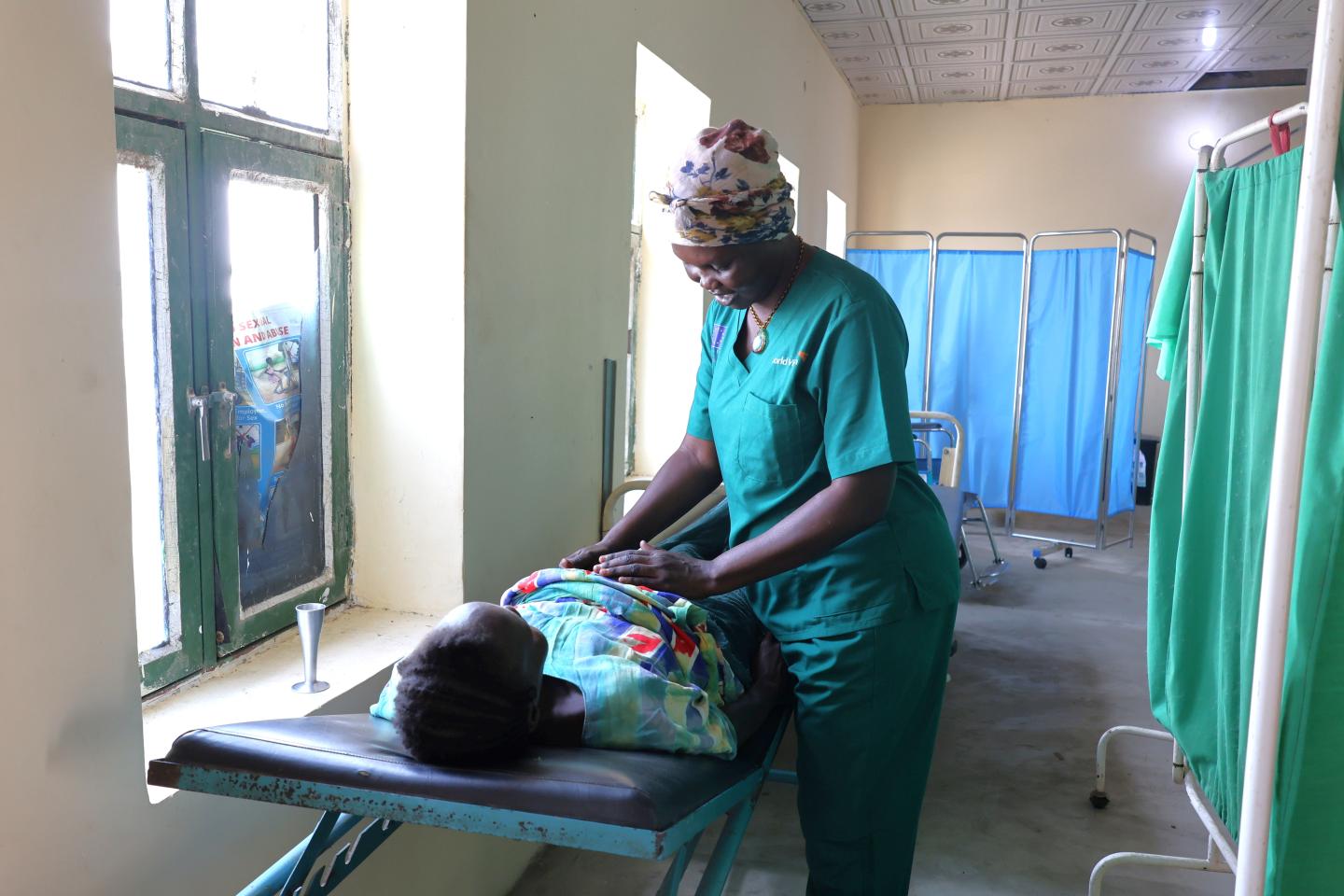
Rebecca helps deliver new life every day at Abukadhra Primary Health Care Unit in Renk County, Upper Nile State. But for a long time after each successful delivery, there was still one challenge, how to dispose of medical waste and placentas safely.
For over a decade, the Abukadhra Primary Health Care Unit (PHCU) relied on an old incinerator constructed during the old Sudan. The incinerator deteriorated over time, its doors broke, and no fence was built to separate it from the rest of the facility.
“It was situated near the water point, which breached waste management standards. Making the site accessible to children,” recalls Rebecca. The smoke from the burning waste spread in the compound. It was uncomfortable for both workers and patients.”
With no placenta pit in place, some of the women or co-patients had to take the placentas home while for refugee and returnee mothers, the situation was far worse. As they had no safe way to dispose of their placentas after delivery. So, the midwives often had to dig holes behind the maternity ward to bury them.
“We tried our best, but it was not easy,” Rebecca explains. “Sometimes we had to make our own ways of disposing of placentas, even at night because leaving them out was not also safe.”
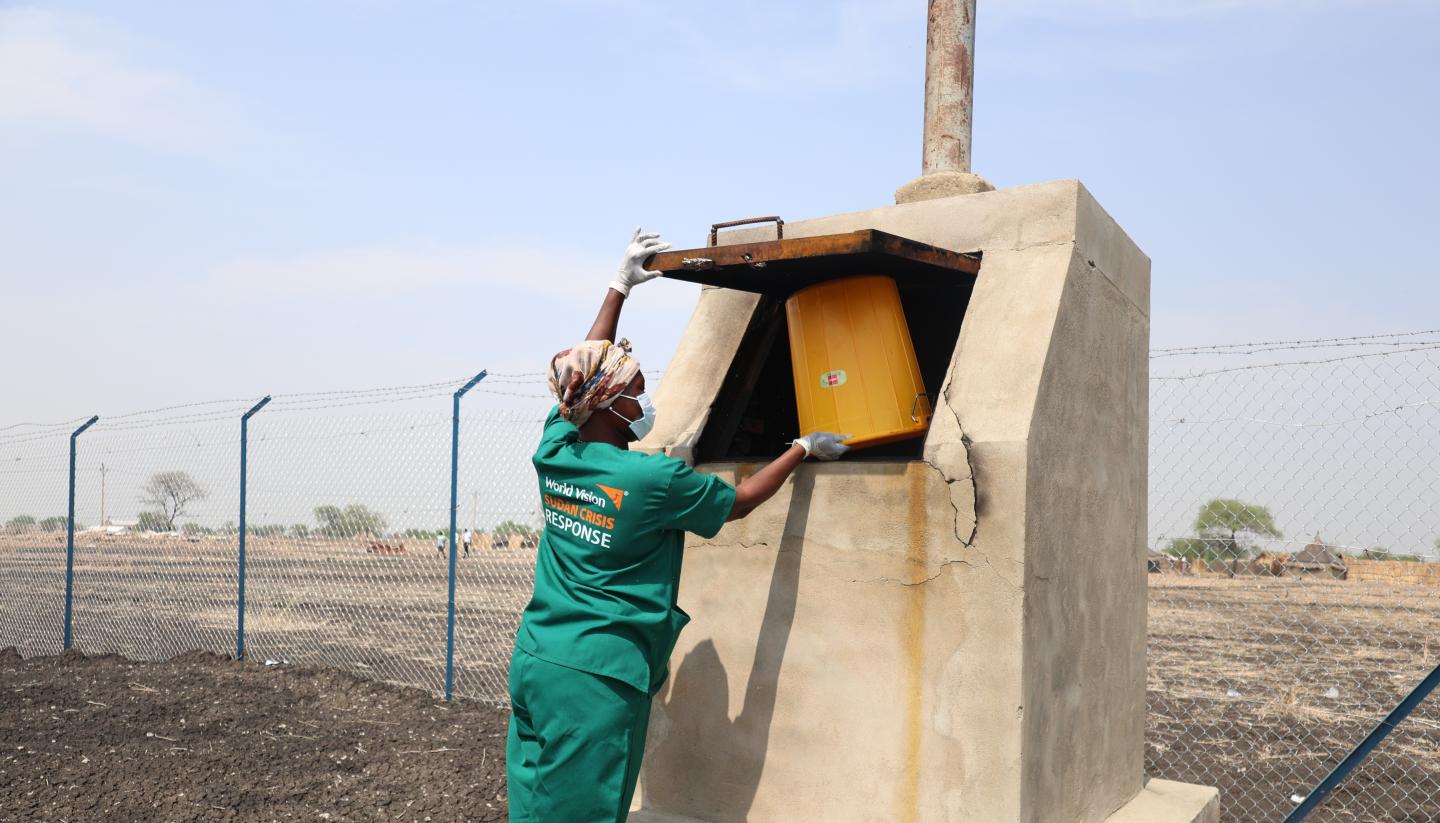
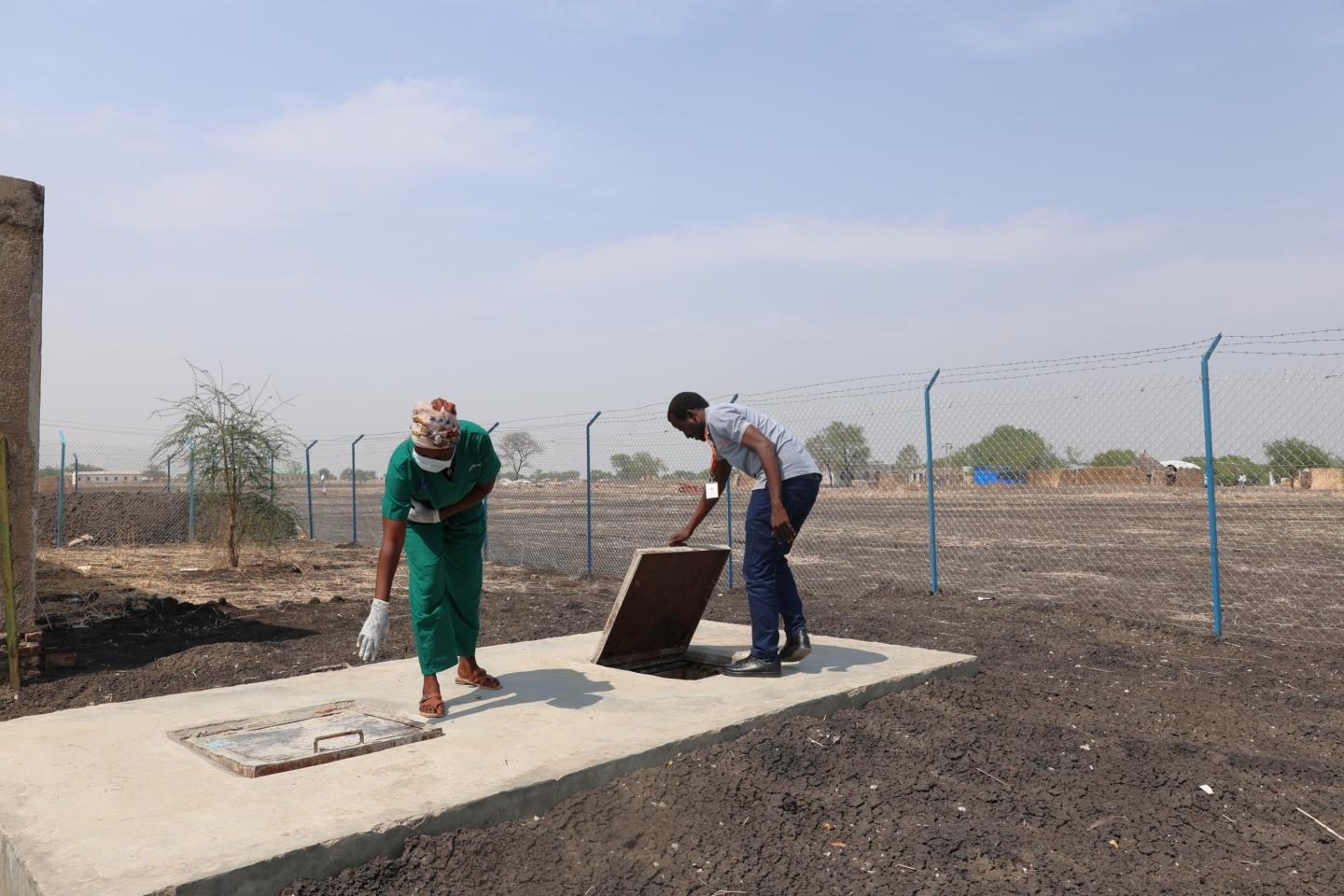
Through the Nexus Accelerated Fund (NAF), World Vision built a modern incinerator of adequate capacity and a placenta pit. They were both surrounded by a fence and a secure gate, accessible to only trained health personnel.
“Used needles, gloves and dressings can now be safely destroyed as medical waste, away from patients. Mothers also have a safe and respectful place to dispose of placenta.”
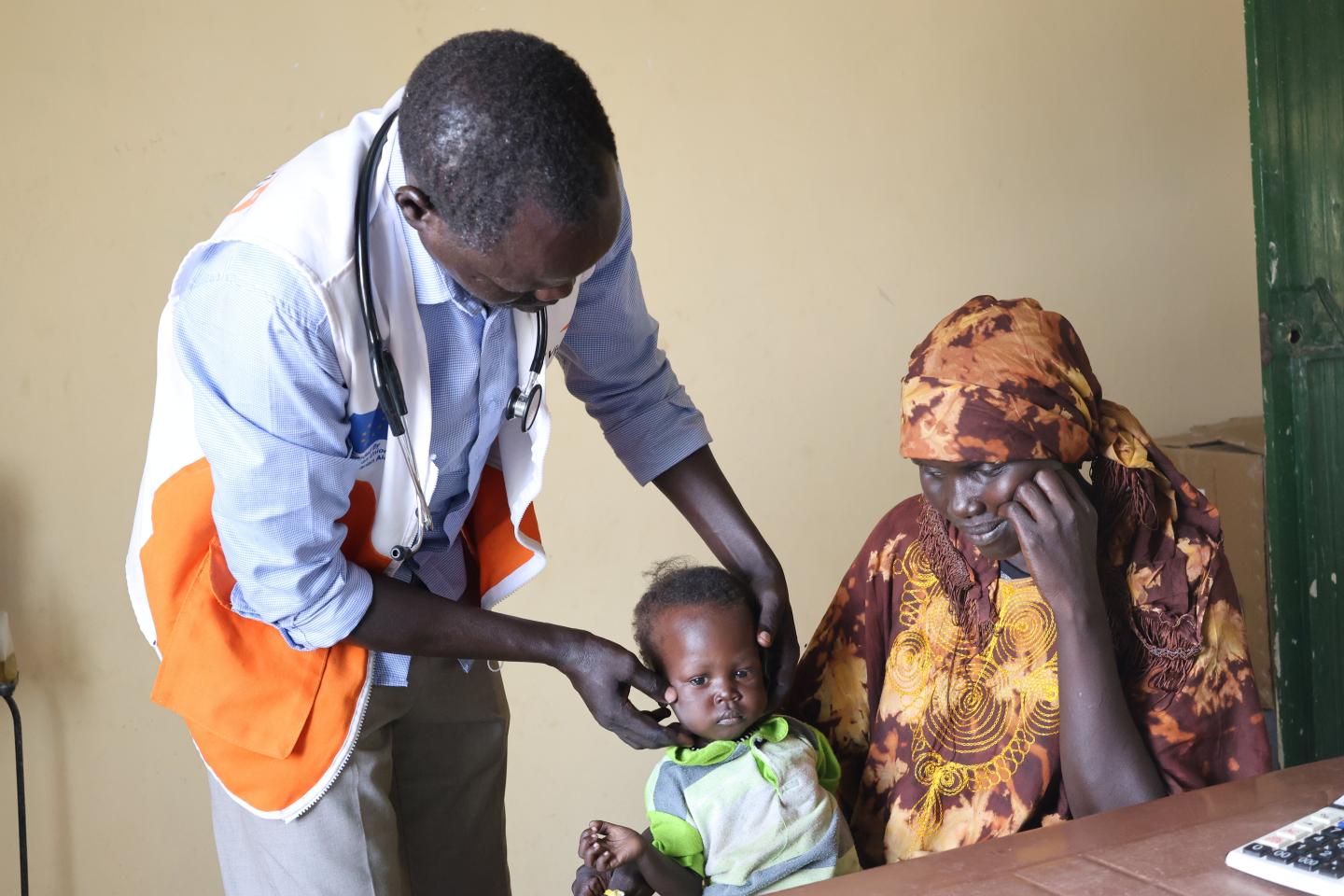
The fund also supported the facility with incentives for three midwives, three clinical officers and three nurses for six months to guarantee women and children continue to get quality healthcare.
“The incentives and changes have made work easier and safer. Now we can focus more on caring for mothers and babies and not worry about how to dispose of waste safely,” she says.
The facility in charge, Mariam Thiel, says the biggest change is the safety of the community. "We used to worry about kids playing near medical waste and hurting themselves with used needles," says Mariam. “Now we burn the waste and keep it away from the children.
“These waste management structures protect our community preventing diseases from contaminated tissues, keeping water sources safe, and ensuring dignified disposal of placentas, which are culturally significant to some of our communities,” adds Martin Nyajwok, Medical Doctor, Emergency response Project-Renk County.
Story and photos by Scovia Charles, Communications Officer/World Vision South Sudan