
Planting Hope: Mushinye Garden’s Fight Against Malnutrition

By Leana Padera (Communications Graduate Trainee)
Mushinye Nutrition Garden in Muzarabani Cluster Area Programme stands today as a powerful symbol of resilience, unity, and hope. What was once a community devastated by high rates of child malnutrition has now become a story of transformation driven by collective action and support.
For years, the community faced heartbreaking losses, with an average of 250 children reportedly dying from malnutrition each year. Concerned by the growing crisis, a group of determined women came together to find a lasting solution.
“The numbers were alarmingly high, and as a community we knew we had to act,” said Manjese, the Ward Councillor. “We approached local leadership for land to start a nutrition garden, but the journey was not easy.”
Although the women managed to secure land, the project initially struggled. The members lacked experience in managing a nutrition garden, had limited agricultural knowledge, and faced serious water challenges that affected production.
“When we started in 2016, we were only 15 members, and it was difficult to manage the project,” explained Tendai, one of the garden members.
“In 2018, World Vision Zimbabwe intervened and supported us with a piped water system, drip irrigation, and essential trainings that helped us improve our farming practices and grow the project.”
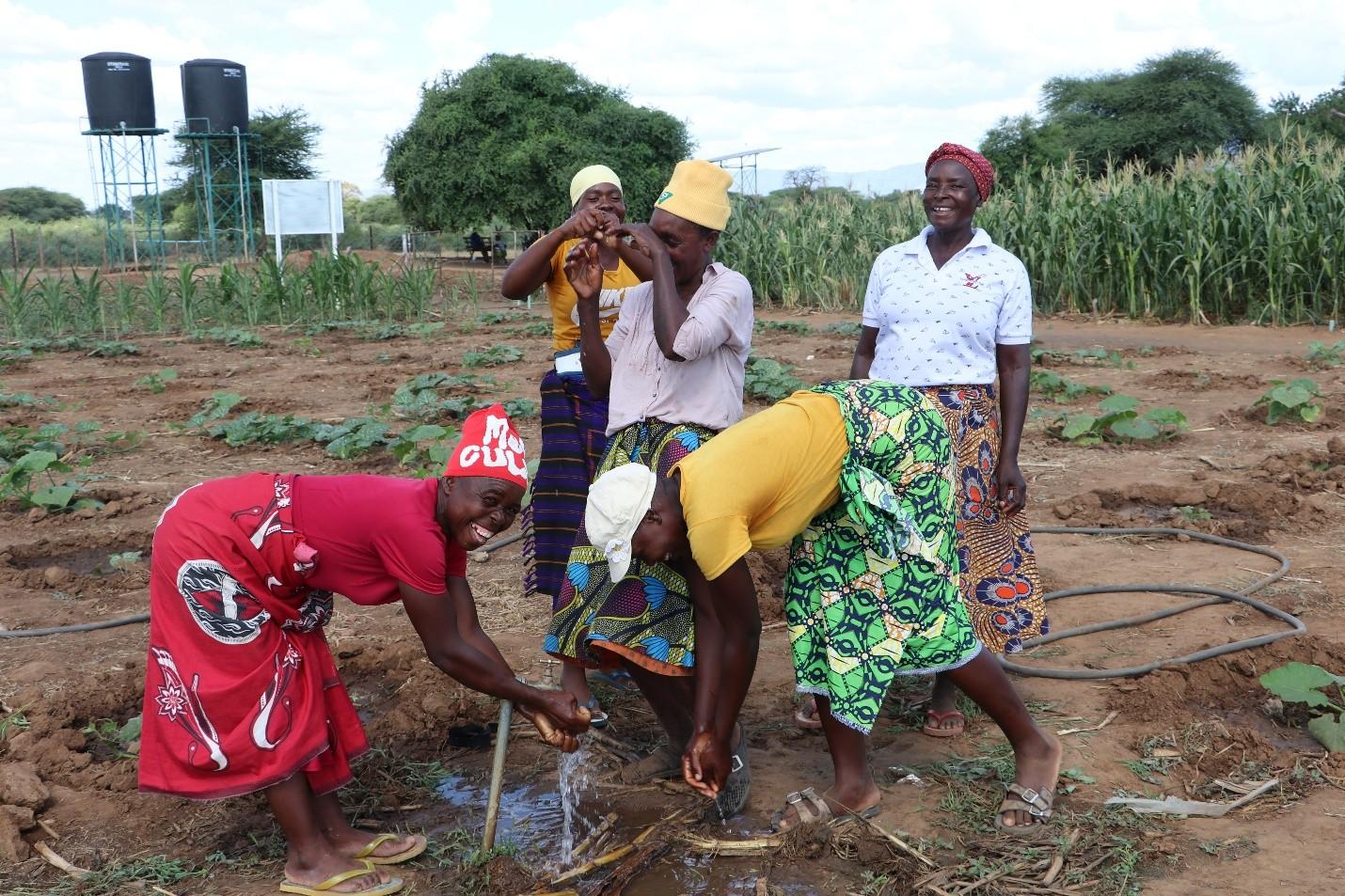
The garden slowly transformed into a thriving source of nutrition and income for families in the community. The intervention brought remarkable results, with malnutrition cases significantly declining over the years. According to local health workers, some months now pass without recording a single child death linked to malnutrition.
“I am very pleased with the progress we have made,” said Muza, a local Village Health Worker.
“Malnutrition is now becoming a thing of the past in this community. What inspires me most is that the garden members are also giving back by donating produce to a local school so that children can at least have one warm meal a day.”
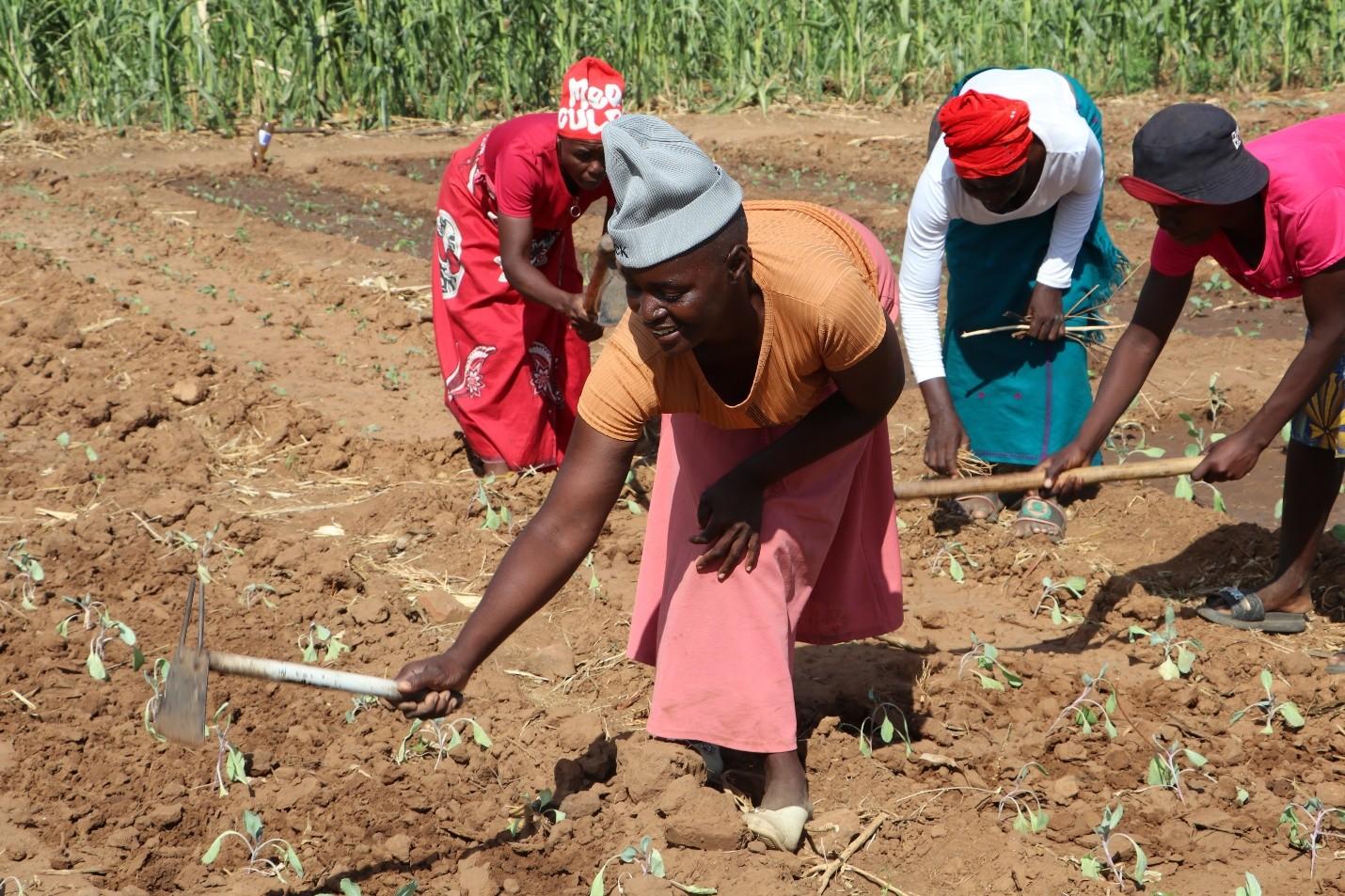
Today, the garden has grown from 15 to 43 members and proudly produces fresh vegetables and fruits including onions, tomatoes, and watermelons. While members share most of the produce amongst their families to improve household nutrition, surplus harvests are sold and the profits reinvested into the project to ensure sustainability and growth.
“With the support we continue to receive from World Vision Australia, we have walked side by side with the garden members throughout this journey,” said Melody, Muzarabani Cluster Manager. “Seeing healthier children, happier families, and a thriving community reminds us why this work matters.”
What began as a desperate response to a nutrition crisis has now blossomed into a sustainable community-led initiative restoring dignity, improving livelihoods, and giving families renewed hope for the future.