article / August 21, 2026
At the Frontline of Crisis and Recovery
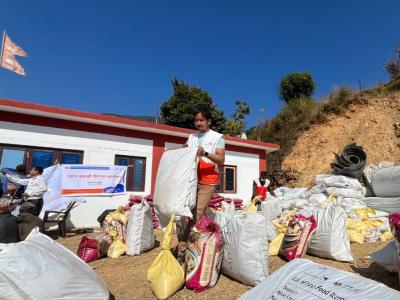
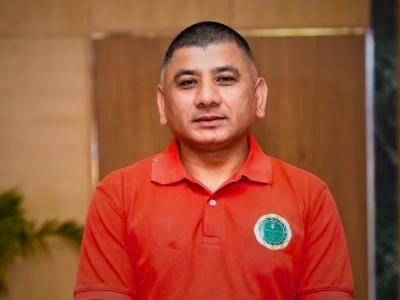
From earthquakes to landslides, Nanda Budha reflects on leading humanitarian responses and standing with communities in crisis.
article / August 21, 2026
Standing with Children Through Crisis and Recovery
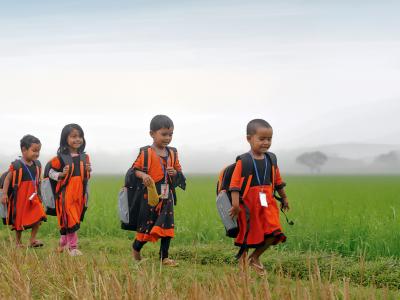
Having lived through the 2015 earthquake himself, Surendra Ratna Shakya has dedicated his career to supporting vulnerable children and families through crisis and recovery.
article / September 1, 2026
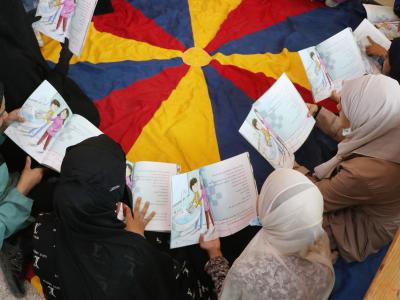
The Fig Tree That Wouldn't Die: Storytelling Idea Helps Syrian Kids Go Green
After being displaced from Syria, Lamiaa Soluiman launched a storytelling imitative with World Vision to teach children about environmental responsibility.
article / August 27, 2026
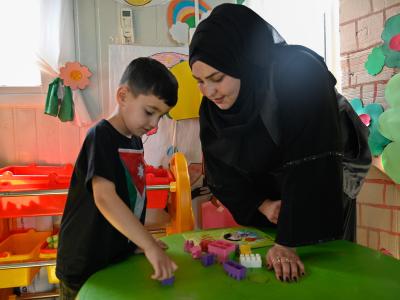
Early Childhood Education Transforms a Mother and Son’s Lives
World Vision Syria Response’s inclusive education project in Sahab is helping children like Talal and Aya overcome learning barriers, build confidence, and participate fully alongside their classmates. Across 11 schools and kindergartens in Jordan, the project is creating supportive learning environments where every child has the opportunity to learn, belong, and thrive.
press release / September 3, 2026
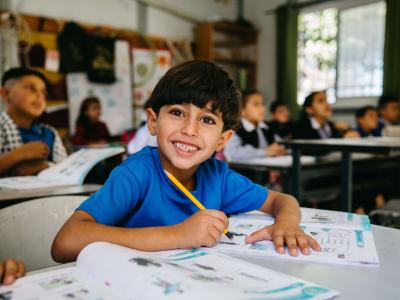
New EU-Funded Project to Restore Safe, Inclusive Education for Over 22,000 Conflict-Affected Children in the West Bank
World Vision, in partnership with the Teacher Creativity Center (TCC) and the Palestinian Ministry of Education, today announced the launch of a new EU-funded two-year project to safeguard access to safe, inclusive and dignified education for the most vulnerable conflict-affected children across the West Bank.
publication / August 26, 2026
POLICY BRIEF: Debt for What?
This policy brief on public debt utilisation in Kenya and Zambia, examining how borrowed resources translate into development outcomes
press release / September 2, 2026
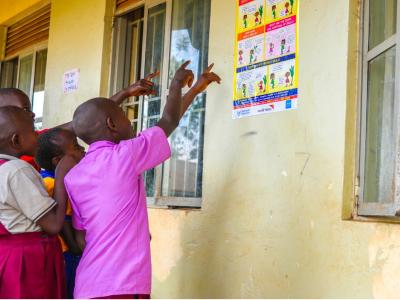
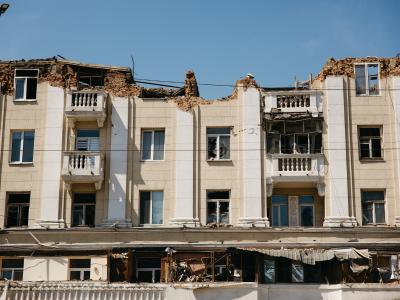
Two in Three Ukrainian Children Missing School Say Shelling Is the Reason
Two in three Ukrainian children miss school because of shelling or fighting, according to a needs assessment by World Vision.
landing page / August 18, 2026
United Nations Office for the Coordination of Humanitarian Affairs (UNOCHA)
publication / August 28, 2026
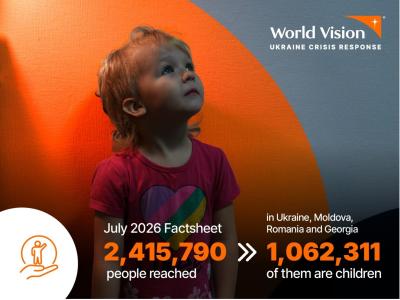
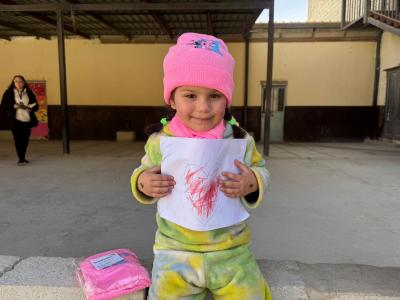
Over 2.4M Lives Supported: July 2026 Factsheet
As of July 2026, World Vision Ukraine Crisis Response has provided critical assistance to 2,415,790 people across Ukraine, Moldova, Romania and Georgia.