publication / May 8, 2026
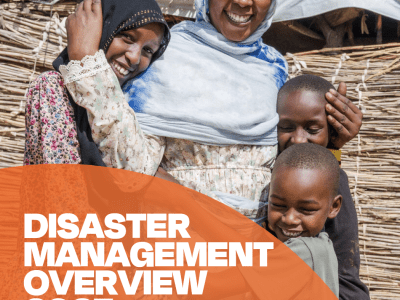
Disaster Management Overview 2025 - West Africa Region
How World Vision responded to West and Central Africa's 2025 polycrisis: 5.8M people reached across 9 countries, with children accounting for half of all those assisted.
publication / March 17, 2026
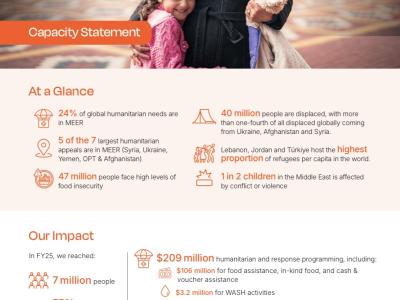
Disaster Management
MEER faces some of the world’s most complex and protracted humanitarian crises. Shifting
conflict dynamics, climate shocks, and economic deterioration continue to drive multi-layered
and chronic needs. Despite the volatile context, shrinking funding and civic space, and access
challenges, World Vision has maintained operational presence and scaled up humanitarian
programming across the region for more than five decades.
publication / May 11, 2026
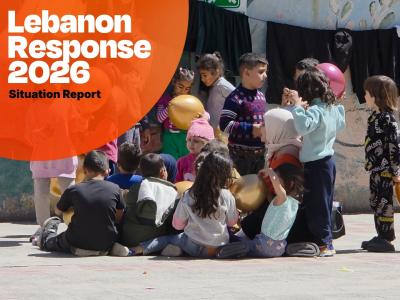
Lebanon Response 2026 - Situation Report #10
Lebanon’s fragile ceasefire remains under strain as renewed violence, repeated displacement, and worsening humanitarian needs continue to impact civilians.
publication / May 4, 2026
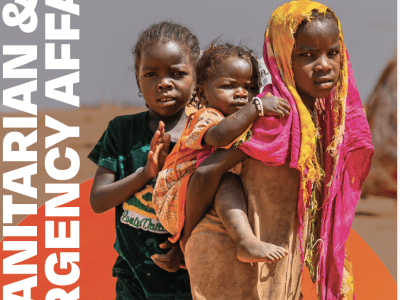
World Vision’s Humanitarian and Emergency Affairs Capacity Statement
Learn how World Vision responds to emergencies across East Africa through rapid humanitarian action, multi-sector support, and resilience-building programmes that protect children and vulnerable communities.
publication / April 21, 2026
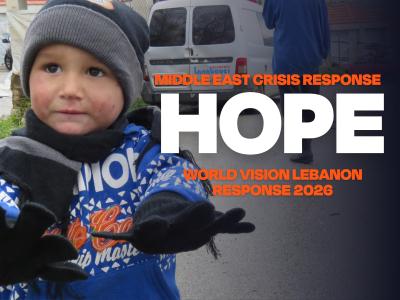
Humanitarian Outreach for Peace (HOPE): Lebanon Emergency Response Plan 2026
World Vision Lebanon’s response plan outlines a coordinated, multi-sectoral intervention, supporting displaced children and families across the country.
publication / March 18, 2026
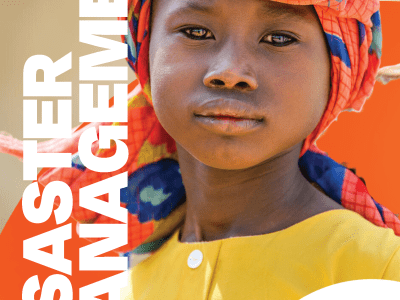
Disaster Management in West Africa: 2026 Capacity Statement
World Vision is a leading humanitarian actor in West Africa, delivering timely, accountable support to children and communities affected by crises.
video / April 27, 2026
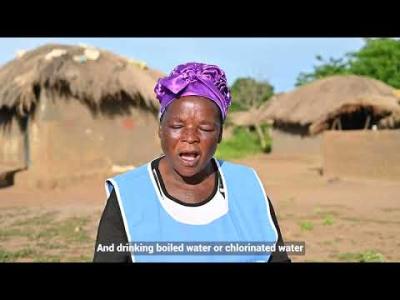
The Partnership in Action: Flood Response in Eastern Province
Floods disrupted lives across Lundazi, Lumezi, and Chasefu since December last year.
Through a strong partnership with UNICEF, World Vision Zambia worked with the Ministry of Health to respond quickly and effectively.
publication / April 16, 2026
Lebanon Response 2026 - Situation Report #8
As the escalation entered its seventh week, hostilities across Lebanon continued with no sustained reduction despite ongoing diplomatic engagement. On 16 April, a 10-day ceasefire was finally announced; however, its implementation and impact remain uncertain on the ground.
publication / April 2, 2026
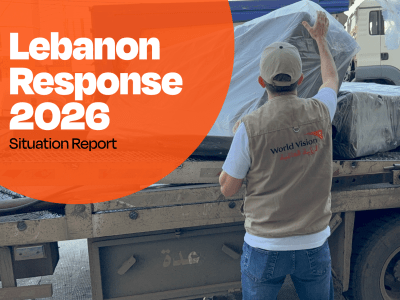
Lebanon Response Sitrep 2026 #6
Lebanon has now entered its fifth week of escalation since 2 March 2026, marking one month of sustained hostilities, continued regional spillover, and no clear trajectory towards de-escalation. Strikes are increasingly affecting areas previously considered relatively safe, signalling an expanding conflict footprint and heightened risks for civilians. Incidents affecting media personnel, including the killing of three journalists, further underscore growing protection concerns.
In the south, damage to critical transport routes has effectively isolated an estimated 150,000 people, with reports indicating worsening shortages of essential goods, including medication. In areas such as Rmeish, where residents have largely remained, the withdrawal of the Lebanese Armed Forces has further diminished the security presence, increasing protection risks for civilians.
The operating environment for humanitarian actors continues to deteriorate. Access remains constrained due to insecurity, infrastructure damage, and movement restrictions, particularly in South Lebanon, Baalbek–Hermel, and Beirut’s southern suburbs. Attacks affecting healthcare are raising serious protection concerns, with at least 64 reported incidents impacting health facilities, personnel, and emergency services, resulting in at least 51 deaths and forcing the closure or reduced functionality of key facilities. These dynamics are significantly limiting access to life-saving care and undermining the reach, predictability, and effectiveness of the humanitarian response.
During his visit to Lebanon this week, Tom Fletcher, Under-Secretary-General for Humanitarian Affairs and Emergency Relief Coordinator, called for expanded humanitarian access and reiterated the need to protect civilians and civilian infrastructure in line with International Humanitarian Law. Discussions with national authorities and partners highlighted severe access constraints, mounting pressure on responders, and the need for sustained international engagement.
publication / March 9, 2026
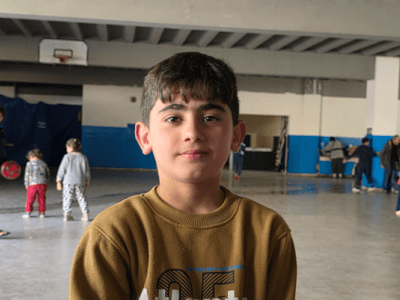
Lebanon Response Sitrep 2026 #2
According to Lebanon’s Ministry of Public Health (MoPH), attacks between 2 and 8 March have resulted in 394 people killed and 1,130 injured, with figures Increasing daily.
Displacement orders issued in the last days, including renewed orders affecting areas south of the Litani River and the entirety of Beirut’s southern suburbs, have triggered further population movements and repeated displacement for many households.
As of 8 March, the Disaster Risk Management (DRM) Unit reports 117,228 displaced individuals residing in 538 collective shelters. The Government of Lebanon has launched a national self-registration platform for internally displaced persons, with over 517,000 people, indicating the potential scale of displacement beyond those recorded in collective shelters.
Recent days have seen hostilities expand beyond traditional frontline areas, including blanket evacuation orders affecting Beirut’s southern suburbs, warnings and subsequent strikes targeting branches of the Al-Qard- Al-Hassan Association. Airstrikes have also impacted locations outside the declared warning zones, including a hotel in central Beirut and an earlier strike on a hotel in Hazmieh, both situated outside the primary red-zone areas. These incidents highlight the widening geographic scope of the conflict and the continued risks to civilians and humanitarian operations across areas.