
article / June 9, 2026
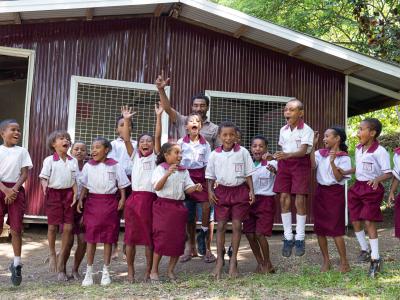
Gidobada Elementary School: From Struggle to Transformation
Gidobada Elementary School in Rigo District, Papua New Guinea, reflects resilience and commitment to education despite decades of minimal resources and support. Senior teacher Huau Sere Raka, once a student, continues to teach multi-grade classes alongside Head Teacher Daisy Lega, ensuring every child’s right to learn. Established in 1997, the school struggled with poor infrastructure until 2025, when the Partnerships for Improving Education (PIE), supported by World Vision and the PNG-Australia Partnership, delivered vital upgrades through AQEFA funding. Renovated classrooms, improved facilities, and essential materials transformed learning conditions, boosted attendance, and restored pride among students and teachers. PIE also strengthened teacher capacity and inclusive practices across Central Province, supporting hundreds of schools, including those in remote areas. With renewed hope, Gidobada now looks toward future developments, including a library. The school’s journey highlights how targeted support can revive communities, strengthen education systems, and empower local teachers to shape a better future for children, families, and long-term community development outcomes success.
article / June 9, 2026
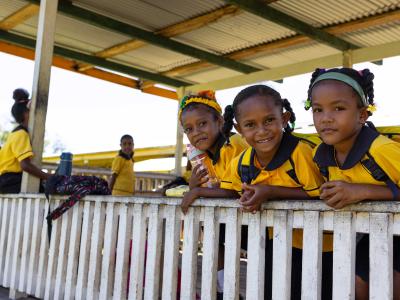
Building Better Futures: The PIE Program’s Impact at Kupiano Elementry School and Across Abau District
The Partnerships for Improving Education (PIE) Program is transforming learning outcomes in Abau District, Central Province, by addressing long-standing challenges of remoteness, limited infrastructure, and access to quality education. Implemented with World Vision Papua New Guinea and supported by the Governments of Papua New Guinea and Australia, the program focuses on strengthening early childhood and lower primary education. At Kupiano Elementary School, PIE support through AQEFA funding enabled the construction of student desks and chairs using local expertise, creating a more comfortable and dignified learning environment. Across the district, schools are benefiting from improved classrooms, gender-sensitive facilities, safe water access, and enhanced teaching practices through ongoing training and monitoring. These interventions are leading to increased student attendance, engagement, and retention, particularly for girls and children with disabilities. By empowering teachers, supporting communities, and improving school infrastructure, the PIE Program is helping build stronger foundations for lifelong learning and creating better futures for children across Abau District.
publication / June 1, 2026
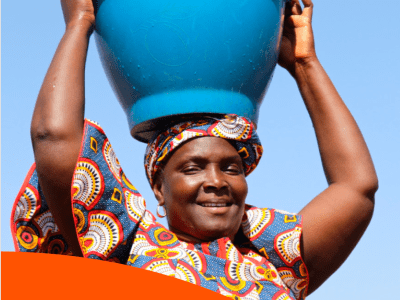
2025 Annual Report: Child Well-being at the Heart of Our Achievements
This report highlights the progress made in various areas, guided solely by the goal of empowering children and vulnerable communities through the work of World Vision Senegal.
article / May 21, 2026
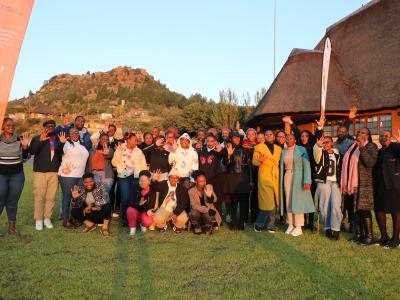
Journalists Equipped to Lead the Fight Against Child Labour and Forced Labour in Lesotho
World Vision Lesotho, together with the Ministry of Labour and Employment and the Ministry of Gender, Youth and Social Development, trained 30 journalists on ethical reporting and advocacy to strengthen media efforts in ending child labour and forced labour in Lesotho under the EU-funded AECFL project.
press release / April 29, 2020
Les organisations caritatives distribuent de l'aide dans le cadre d'une intervention précoce contre l'insécurité alimentaire au Sénégal
Les organisations humanitaires au Sénégal commencent cette semaine à distribuer de l'aide aux