

Aid reform is about power. Children will tell us if it has really shifted
Fola Komolafe, reflects on shifting power, accountability and what success looks like when systems meet reality.
May 21, 2026.
Global leaders gathered in London this week with the goal to reshape how aid and development can be financed and delivered. Much of the focus has been on new models: shifting decision-making, mobilising private finance and redefining partnerships. And it’s a great opportunity.
Building a model that delivers differently
For me, this is exactly the right moment to ask not only how we modernise development, but how we build a model that delivers differently. Because success cannot be measured by funding pledged or commitments made on paper, but by what actually changes in people’s lives. It means asking ourselves: will it deliver tangible, long-lasting outcomes for children? which is the clearest measure of developmental success.
The current development system is not neutral. Decisions are often made far away from the communities they affect, external expertise is prioritised over lived experience, community needs are assumed not sought, and accountability tends to flow upward to funders rather than downward to those most impacted. The result is a system that does not work for the majority of the people it is meant to deliver for.
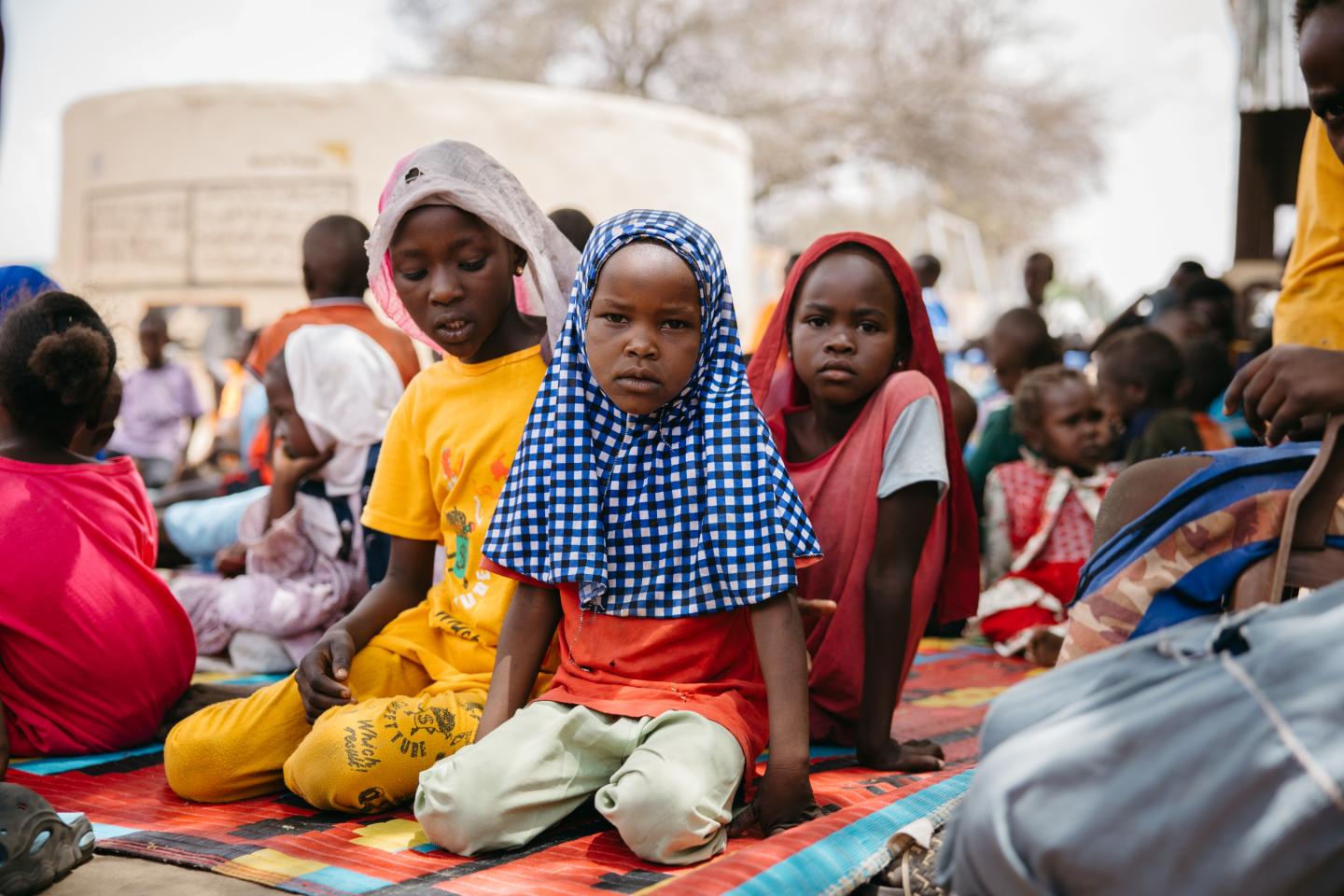
Shifting power poses a risk to the most vulnerable
Against this backdrop, partnership is increasingly being framed in financial terms: aligning capital, unlocking investment and building coalitions around growth. These are important goals, and private finance has a critical role to play. But a model of partnership designed around capital flows is not always one designed to reach those most at risk – particularly in fragile and conflict-affected settings where accessing humanitarian assistance is difficult. Returns take time.
This creates a tension at the heart of this week’s agenda and the direction of reform. Shifting power is rightly a stated priority but if new financing models place greater influence into the hands of actors who are not primarily aligned with reaching the most vulnerable, there is a risk that reform will change where power sits without fundamentally rebalancing it.
Equitable partnerships require more than a broader set of actors or sources of finance. They require a shift in who sets priorities, how resources are distributed, whose knowledge shapes decisions, and crucially, who is able to hold others to account. Without that, participation risks becoming consultation around decisions already made elsewhere.
Accountability, scrutiny and counterweights
In this context, the role of international civil society goes beyond delivering programmes. Our independence is essential: to challenge both governments and markets, to scrutinise where power sits, and to hold decision-makers accountable for the outcomes of their choices. That role is what underpins our vital wider contribution – whether delivering services where markets do not reach, strengthening systems over time, or supporting local leadership. Without that counterweight, new partnership models risk reinforcing the very imbalances they sought to address.
Child outcomes are the most important diagnostic
The question, then, is: if new global partnership is meant to work for the majority, how do we know if it actually does?
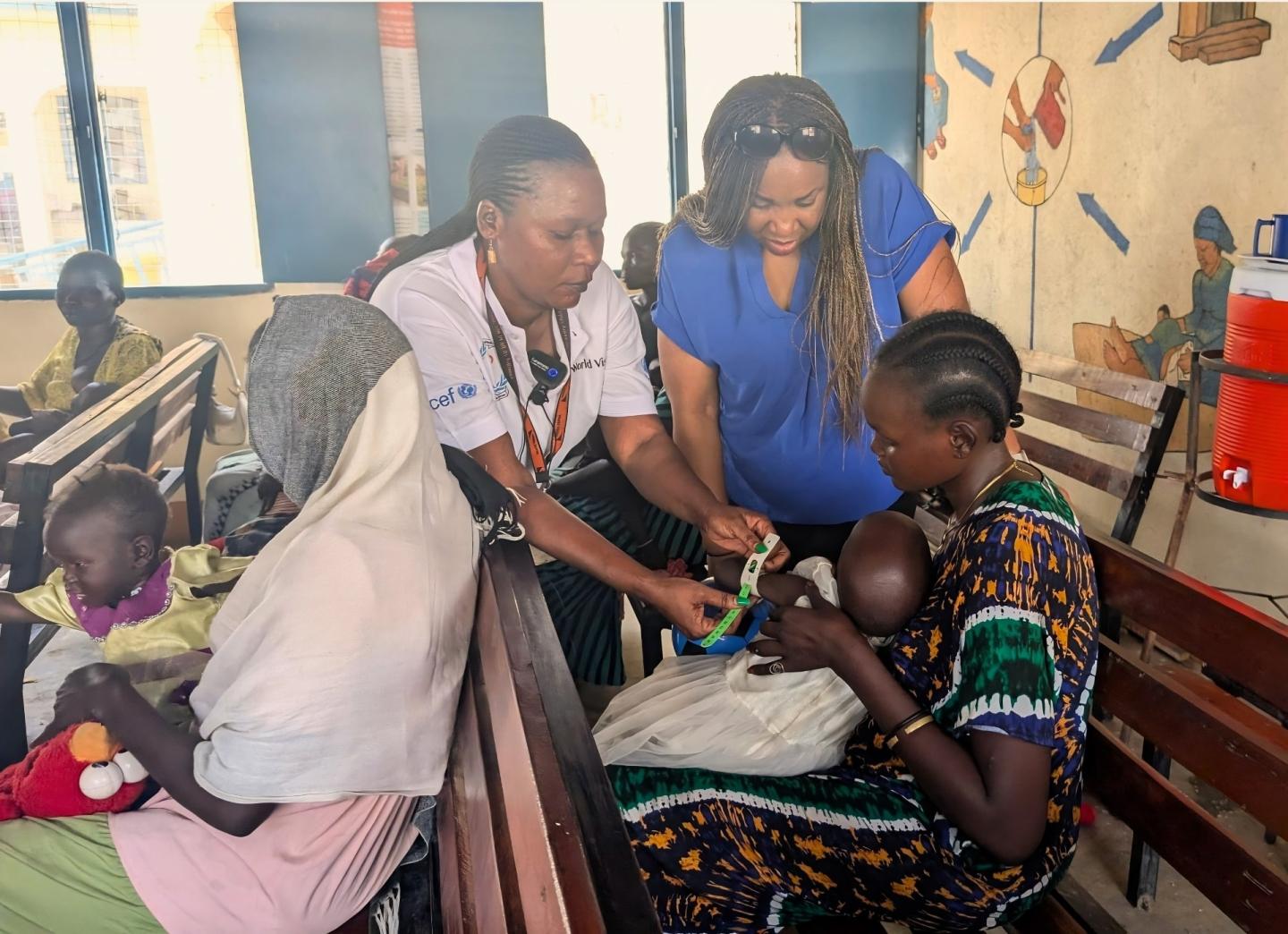
Earlier this year I visited a South Sudan refugee transit centre– where needs were outstripping supplies and malnutrition was dangerously high. I met a heavily pregnant mother, Rukheya, at a World Vison health clinic, who has since given a safe birth to a beautiful daughter, Muna. But Muna has been born into born into circumstances that she did not choose. What matters now is not the design of partnerships, but whether, when Muna is five, she has enough to eat, access to healthcare, the chance to learn and the safety every child deserves. That is the real litmus test of success.
Investment in children brings the highest returns
Children reveal quickly whether systems function in practice. When schools close, clinics run out of medicine, food becomes unaffordable or scarce or violence spreads, they are often the first to feel the impact. And because childhood is a short and decisive window, they live with the consequences longest.
This makes child outcomes more than a moral concern. They are a diagnostic. When essential services consistently reach children, systems are more likely to be working. When they do not, failure is immediate, visible and often irreversible. Childhood is the shortest window for investment, with the longest consequences. Early action is not only right; it is among the highest-return investments available.
Children as participants not recipients
Yet pressure on children’s lives is moving in the wrong direction. Today, more than one in five children in low- and middle-income countries are still severely deprived of at least two essential services they need to survive and develop. More than 473 million children over one in six globally now live in areas affected by conflict, the highest level in decades. Progress in reducing child poverty is slowing and decisions taken in forums like this week’s conference will shape whether those pressures are reduced or reinforced.
If leaders are serious about reform, children cannot be treated as an afterthought, assumed to benefit once the big decisions have been made. Their needs must be built in from the outset. That means asking, early and explicitly, whether financing decisions will strengthen the systems children rely on – healthcare, education, nutrition and protection – and whether those systems are reaching them in practice. It also means recognising children and young people as participants in shaping those systems, not simply recipients of their outcomes.
The conference outcomes this week will ultimately be judged not by the commitments agreed in the room, but by whether they are felt in practice. Whether children and young people have a say in shaping and scrutinising the systems that affect them. Whether a child in South Sudan has a teacher, a clinic, and enough to eat in five years' time. Because global partnerships are not defined only by how they are designed, but on what they deliver.
Fola Komolafe is CEO of World Vision UK, with over two decades of experience in global development, humanitarian response and private sector leadership. She has held senior roles at HSBC, IBM and the British Red Cross, and has led major programmes across Africa and South Asia. Awarded an MBE in 2017, she is a passionate advocate for children and youth empowerment.
Subscribe to see more content like this
Related Resources

Why Financing for Development must reckon with children’s futures now.

Are We Balancing Budgets at Children’s Expense?
