

Every displaced child deserves more than survival
This World Refugee Day reminds us that behind every displacement figure is too often a child whose life has been disrupted by conflict, uncertainty, and loss. Heidi Diedrich, National Director at World Vision Lebanon, says we must invest in flexible funding so every child can look towards the future with hope.
18 June 2026
As Lebanon continues to reel from crisis after crisis since 2019, the latest escalation of hostilities means that hundreds of thousands of more children across Lebanon are once again living through the trauma of displacement. Some are Syrian refugee children who fled war years ago and continue to face hardship far from home. Others are Lebanese children newly displaced within their own country by the latest escalation of violence. Many have experienced multiple displacements, losing not only their homes but also their sense of safety, stability, and hope for the future.
Today, Lebanon is facing one of the largest displacement crises in its recent history. More than 1.3 million people are currently displaced across the country – nearly 25% of Lebanon’s total population of roughly 5 million people. Of the displaced, nearly 400,000 are children. Around 80% of displaced people are living outside formal shelters, often in overcrowded apartments, unfinished buildings, cars, make-shift tents, or with host families struggling to cope with their own economic challenges. Humanitarian needs continue to rise as new displacement orders force families to move repeatedly in search of safety.
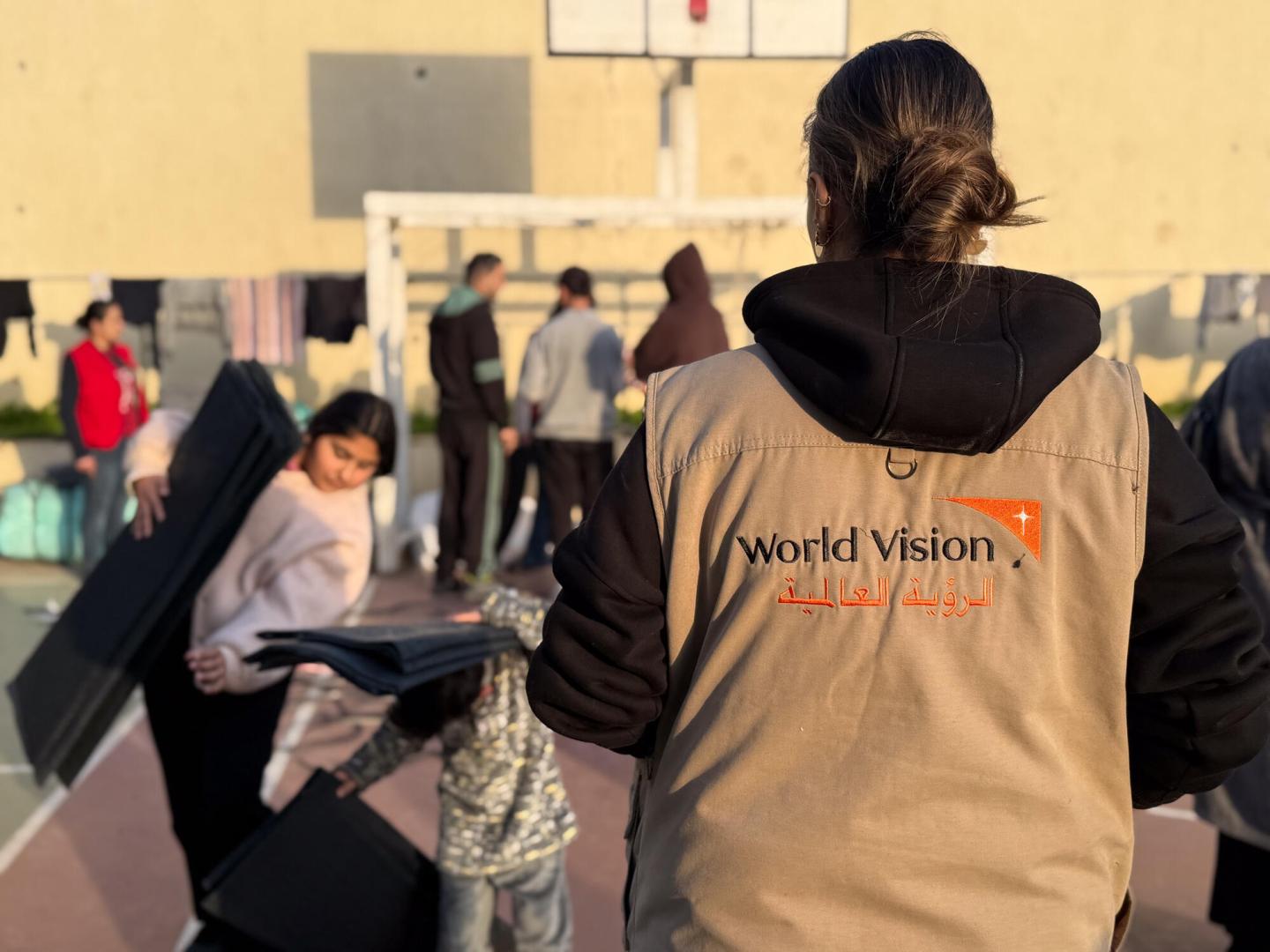
Displacement reshapes childhood
For children, displacement is far more than a change of location. It is the initial fear and trauma of forced displacement at any moment. It also means interrupted education, separation from friends and support networks, heightened protection risks, and increasing psychological distress. Repeated displacement and ongoing conflict are taking a profound emotional and psychological toll on children, many of whom are living with fear, anxiety, and repeated trauma while facing continued uncertainty about their future.
World Vision Lebanon teams are seeing these realities every day. We meet families who have fled multiple times in just a few months. 7-year-old Ali said, “I didn’t even have time to take my school bag. We ran away so fast… I left behind my things, my books, my notebooks, my clothes, and all my toys.” And 6-year-old Celine remembers fleeing, saying “My heart started racing, but the building didn’t come down”.
Parents tell us they are no longer asking when they can return home; instead, they ask how they will feed their children, keep them safe, and help them cope emotionally with yet another upheaval.
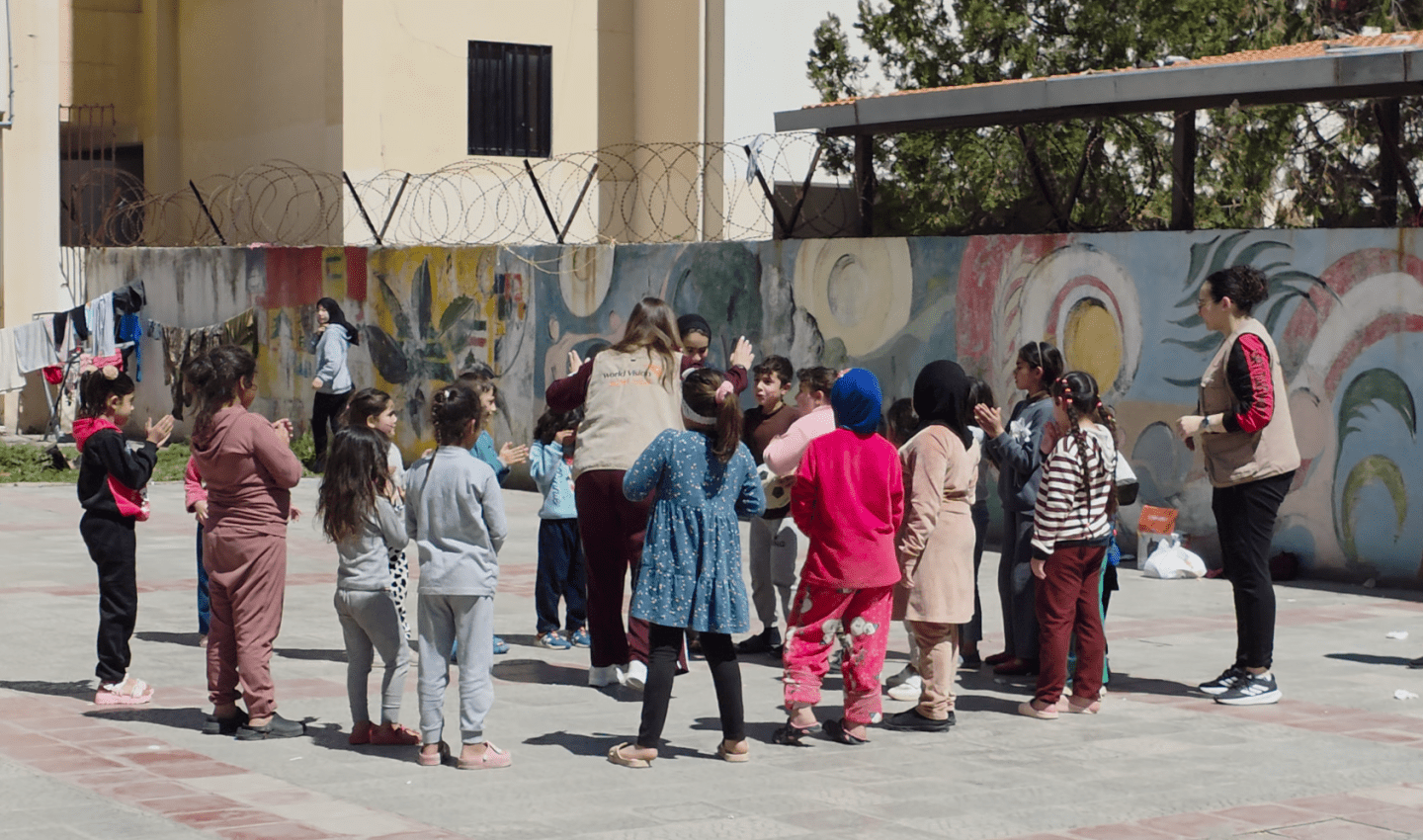
A crisis in flux and a system under strain
Adding to the complexity of this crisis is that Lebanon continues to host one of the largest refugee populations per capita in the world. Syrian refugee families remain among the most vulnerable communities in the country, facing mounting economic pressures and dwindling humanitarian assistance. Meanwhile, changing dynamics inside Syria have prompted both refugee returns and new cross-border movements. According to UNHCR, since December 2024, more than 1.5 million Syrian refugees and asylum seekers have returned to Syria from neighbouring countries, while over 500,000 people have crossed from Syria into Lebanon since late 2024, highlighting the complexity and fluidity of displacement trends across the region.
Yet at a time when more children and families need help, the resources available to support them are under growing strain. Humanitarian organisations continue to provide vital assistance, but a decline in funding and rising needs are placing increasing pressure on essential services. Without sustained support, many vulnerable families may struggle to access the help they need to recover and rebuild their lives.
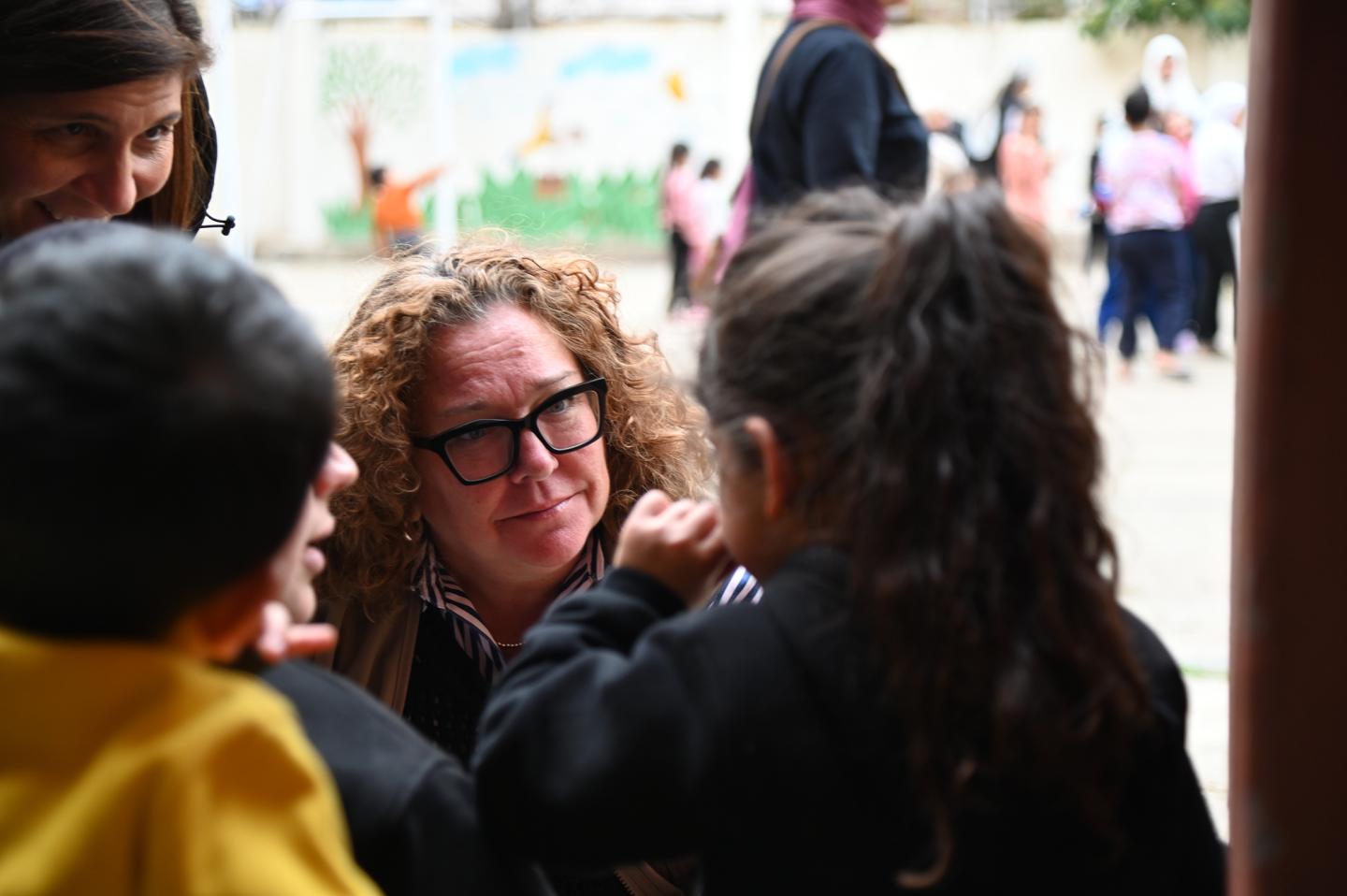
The need for flexible funding
Closing the humanitarian funding gap is not simply about increasing resources; it is about investing in approaches that allow families to meet their most urgent needs with dignity and provide for their children. Flexible forms of assistance have proven critical during crises: for many displaced families in Lebanon, cash assistance can help parents keep a roof over their children's heads, put food on the table, access healthcare, cover education-related costs, and reduce the stress and uncertainty that displacement brings. As displacement patterns shift and needs evolve, flexible funding is more important than ever.
This World Refugee Day, we must remember that children need more than survival. They need protection, education, psychosocial support, and the opportunity to look towards the future with hope. By closing the funding gap and investing in flexible, child-focused assistance, we can help ensure that refugee, internally displaced, and returning children receive the support they need to recover, rebuild, and thrive.
About World Vision Lebanon’s work: Since the latest escalation on March 2, World Vision Lebanon has reached more than 185,000 people across the country, including over 65,000 children, with emergency assistance such as food, clean water, hygiene supplies, child protection services, psychosocial support and cash assistance. Working through local partners and community networks, World Vision supports displaced Lebanese families, vulnerable Syrian refugees, and host communities both in collective shelters and in communities hosting those forced to flee. As needs continue to evolve, World Vision Lebanon’s focus remains on helping children and their families stay safe, access essential services, and recover from the impacts of displacement, conflict, and prolonged uncertainty.
About the author:
Heidi Diedrich was appointed National Director of World Vision Lebanon in September 2024, bringing more than 25 years of humanitarian and development experience across complex emergency and fragile settings. Prior to Lebanon, she led one of the largest humanitarian programmes in Sudan, overseeing a significant expansion of operations during a period of acute crisis and supporting millions of vulnerable people through integrated humanitarian assistance.
Since assuming her role in Lebanon just before a major escalation of conflict, she has led critical emergency responses, strengthened partnerships with donors, government ministries, local and international organisations, and diversified funding streams amid a challenging global funding environment.
Under her leadership, World Vision Lebanon has expanded and integrated its programming across health, education, child protection, WASH and livelihoods, while aligning grants and sponsorship resources to maximise impact for vulnerable children and families. She has also strengthened the organisation’s strategic alignment with national and global humanitarian priorities, fostering collaboration, accountability, innovation and resilience to support sustainable improvements in the lives of children and communities across Lebanon.
Subscribe to see more content like this
Related Resources

When Instability Becomes the Environment of Childhood

Online Violence is Real Violence. Women’s Experiences in Lebanon
