opinion / March 19, 2026
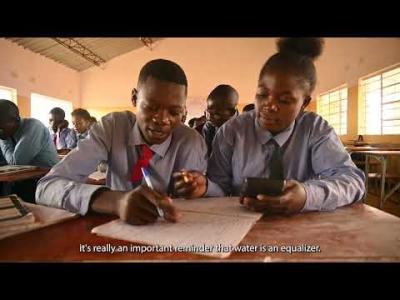
What Does This Investment Do to Children? Rethinking Food Systems Finance
Why food systems investments must be measured by their impact on children, not only by economic returns.
video / March 10, 2026
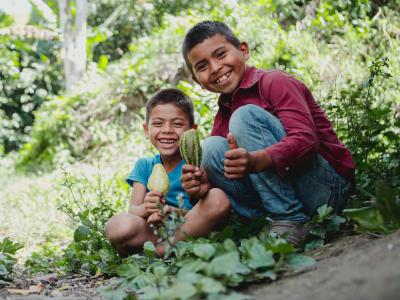
Transforming Learning Spaces in Buhera: Investing in Children’s Education
In Buhera District, World Vision is helping transform education by improving learning environments and supporting children to stay in school.
article / March 3, 2026
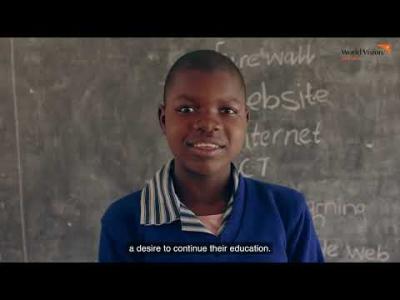
Give to Gain: Why Investing in Women and Girls Strengthens Bangladesh
Investing in women and girls in Bangladesh drives economic growth, climate resilience, and sustainable development. Learn why gender equality matters.
publication / March 18, 2026
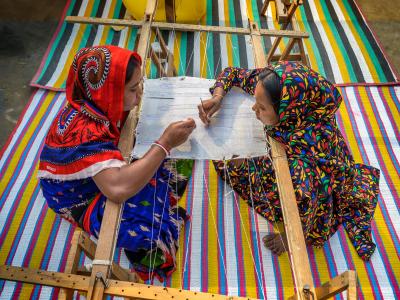
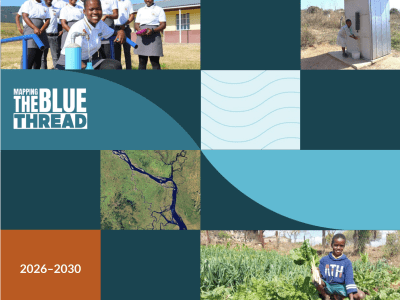
World Vision Eswatini — WASH Business Plan 2026–2030 Mapping the Blue Thread
Our plan is built on five technical priorities — Water Supply and Quality, Sanitation and Hygiene, Governance and Finance, Water Security, and Disaster Management — underpinned by digital innovation through platforms like mWater for real-time monitoring, transparency and accountability at every project site.
press release / March 6, 2026
World Vision Zambia Calls for Sustained Investment in Nutrition, Clean Water, and Climate Resilience Following Africa Day of School Feeding
World Vision Zambia Calls for Sustained Investment in Nutrition, Clean Water, and Climate Resilience Following Africa Day of School Feeding
opinion / October 14, 2025
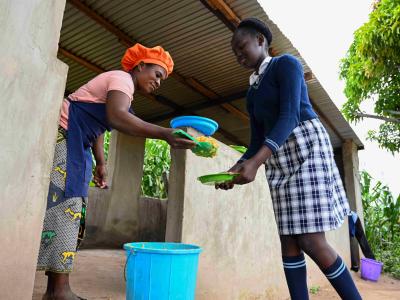
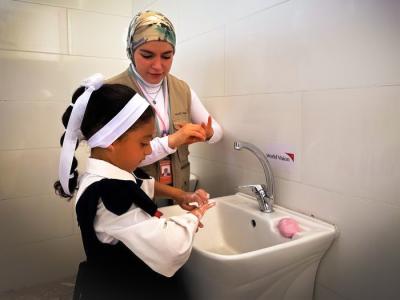
Investing in WASH is investing in education
Khalil A. Hamad, Technical WASH Focal Person with World Vision Iraq, says water, sanitation and hygiene (WASH) cannot be seen as a luxury in schools, but as the building blocks to a healthy and safe learning environment for children in Iraq.
opinion / February 26, 2026
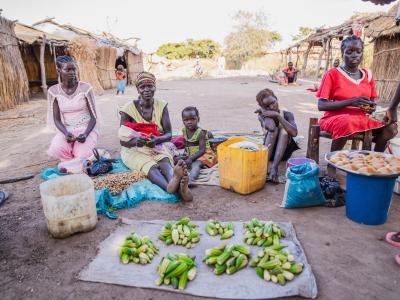
With every cut to aid and failure to invest in resilience, the future of South Sudan’s children hangs in the balance
Drawing on first‑hand experience from one of the world’s most fragile contexts, Paul Kinuthia, Senior Director, Food, Cash & Markets, Disaster Management, argues that repeatedly cutting food, health and protection services traps communities in endless crisis.
He makes the case that narrowing aid to short‑term survival is a false economy that drives higher costs, deeper instability and repeated emergencies. The solution, the author provides, is urgent investment in resilience alongside life‑saving aid. This investment should be seen as a credible way to protect children and reduce the need over time.
opinion / January 20, 2026
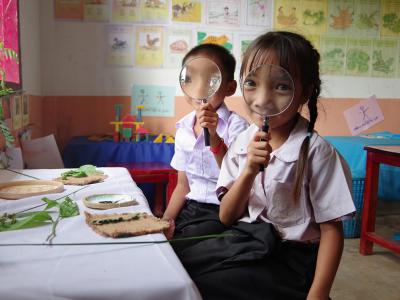
Investing in Teachers Powers Lifelong Learning
Bounmee says teacher shortages threaten early education access. Read why she believes investing in teachers is key to lifelong learning for every child.
publication / March 18, 2026
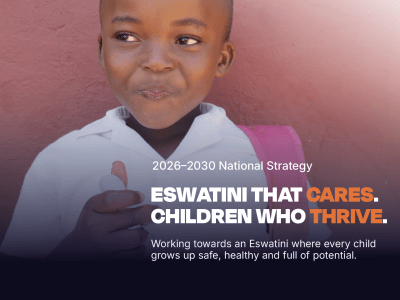
World Vision Eswatini — National Strategy 2026–2030
From 2026 to 2030, World Vision Eswatini is committed to empowering 395,000 of the Kingdom's most vulnerable children with the conditions they need to grow up safer, healthier and more resilient.
video / March 23, 2026
Accelerating Climate-Resilient Water for Zambia’s Future
When a community gains access to clean, reliable water, the playing field levels instantly. Girls stay in school instead of walking miles to collect water. Families break the cycle of waterborne diseases.