
Give to Gain: Why Investing in Women and Girls Strengthens Bangladesh

Written by, Rahat Ara S Monir , Humanitarian & Emergency Affairs Manager & Acting Gender Focal Point and Dr Rahul Mathew, Deputy Director at World Vision Bangladesh
Bangladesh cannot achieve its full potential while structural gender gaps continue to limit half of its population.
As we mark International Women’s Day 2026 under the theme “Give to Gain,” we are reminded of a powerful truth: when women and girls are empowered, entire communities move forward. Gender equality is not only a matter of justice — it is central to economic growth, resilience, and sustainable development.
Progress Worth Celebrating — Gaps That Demand Action
Over the past two decades, Bangladesh has made remarkable strides. Poverty rates have declined significantly. Girls’ enrolment in primary education has reached parity with boys. Maternal mortality has fallen dramatically — from more than 500 deaths per 100,000 live births in the early 1990s to around 123 in recent national surveys.
These gains reflect sustained national commitment and collective effort.
Yet challenges remain. Female labour force participation stands at approximately 43 percent, compared to nearly 82 percent for men. About half of women aged 20–24 were married before the age of 18. Many adolescent girls still drop out of secondary school due to poverty, safety concerns, and social norms.
These are not isolated issues. They are interconnected barriers that affect education, health, livelihoods, and protection.
Bangladesh is also one of the most climate-vulnerable countries in the world. Floods, cyclones, salinity intrusion, and heat stress disproportionately affect women and girls — limiting economic participation, increasing protection risks, and deepening inequality. Climate vulnerability and gender inequality often reinforce each other.
What Happens When Women Gain Agency
Across the communities where World Vision works, we have witnessed how intentional investment in gender equality produces measurable change.
In programme areas where gender-transformative approaches have been implemented, more than 90 percent of households report improved participation of women in household decision-making. When women influence decisions, families prioritise nutrition, healthcare, and education.
We have also seen the impact of engaging men and boys. Shared caregiving initiatives that bring husbands and fathers into conversations about equity help redistribute unpaid care work. When responsibilities are balanced, women are more likely to pursue income-generating opportunities, and children experience stronger family relationships.
Economic inclusion multiplies these gains. Supporting women-led enterprises and diversified income sources strengthens household resilience against market shocks and climate stress. Global research shows that women reinvest a higher proportion of their income into family wellbeing. Empowered women strengthen the foundation of community development.
Education remains central. Girls who complete secondary education marry later, earn higher incomes, and have healthier children. Keeping girls in school is one of the most effective long-term investments any nation can make.
Leadership matters too. Expanding women’s meaningful participation in local governance and community structures strengthens accountability and improves the design of services that affect families and children.
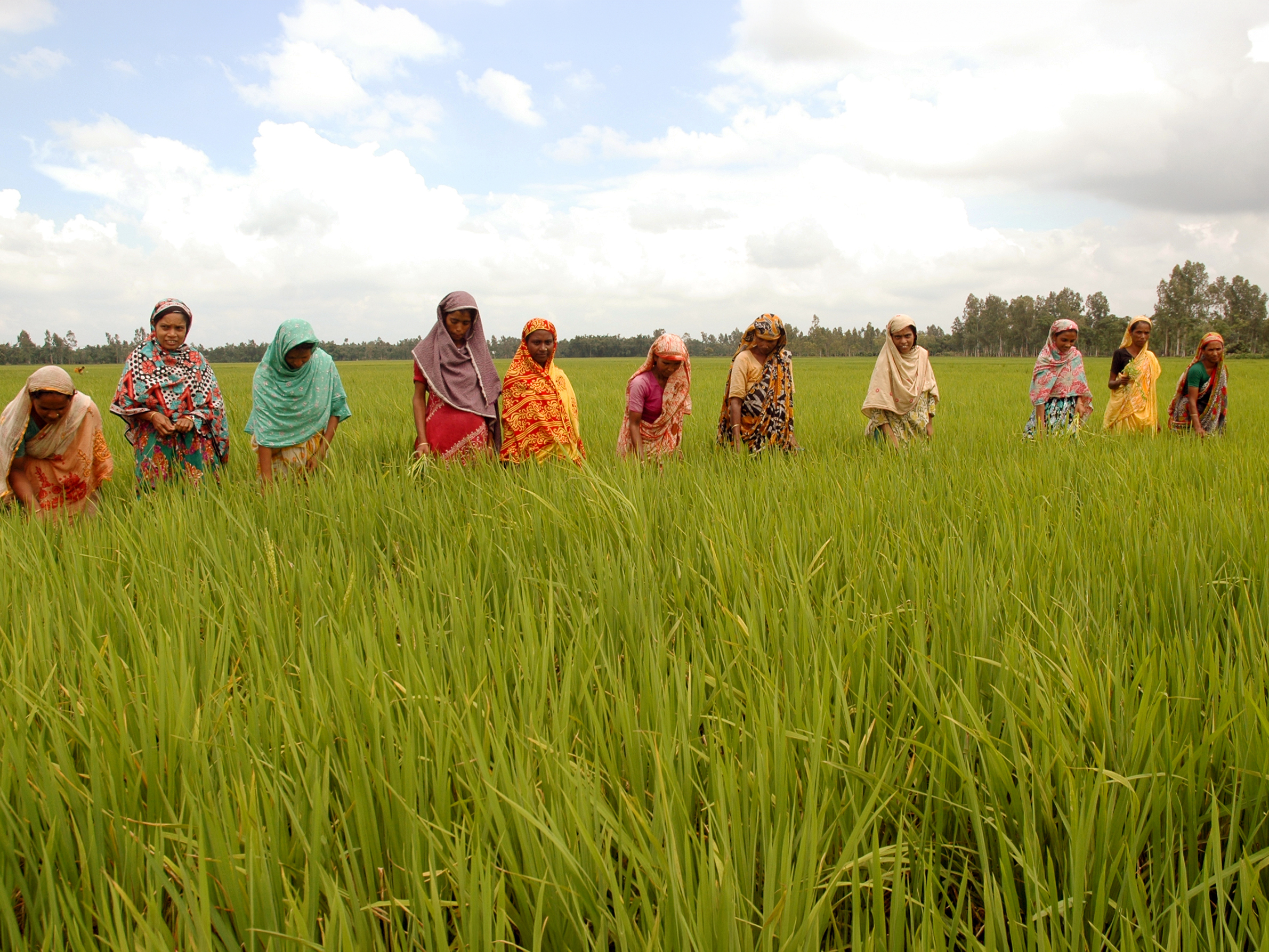
The Multiplier Effect
The evidence is clear:
- When women influence decisions, households become more stable.
- When girls remain in school, productivity increases.
- When women participate fully in the workforce, national growth accelerates.
- When women lead climate adaptation efforts, communities become more resilient.
Gender equality is not a stand-alone agenda. It strengthens progress across health, education, livelihoods, protection, and climate resilience.
From Commitment to Structural Change
Progress now requires structural action.
Gender-responsive budgeting must translate into measurable outcomes. Enforcement of laws protecting girls — including those preventing child marriage — must remain strong. Investment in secondary education, digital inclusion, and safe mobility for girls must expand. Climate adaptation funding should intentionally support women-led initiatives.
The private sector also has a critical role. Inclusive employment, safe workplaces, and leadership opportunities for women are not simply corporate responsibility — they are long-term economic strategies.
Gender equality is not a women’s issue. It is a national development strategy.
A Shared Responsibility
At World Vision Bangladesh, we believe lasting change happens when families, faith leaders, communities, government, and the private sector move together. Empowering women and girls is not about replacing one form of exclusion with another. It is about building systems where everyone can contribute and thrive.
Bangladesh has shown that transformation is possible. The next chapter of progress will depend on whether gender equity is embedded deeply in budgets, markets, institutions, and social norms.
Empowering women is not generosity. It is nation-building.
When women and girls gain opportunity, voice, and leadership, Bangladesh gains strength, resilience, and hope for the future.