

Progress for Girls: Are Our Promises Outpacing Delivery?
Dana Buzducea reflects on why meaningful progress for girls will depend not on declarations but on political discipline and sustained investment.
March 6, 2026.
As the world celebrates women and girls, I cannot help but reflect on the stark gap that still exists between those who will receive flowers and praise and those for whom 8 March will be simply another day marked by struggle, pain or quiet frustration. What makes the difference?
As a mother, I feel deeply blessed by my daughter, who surrounds me with love and care. As a Christian, I look into the eyes of every girl and see someone beautifully reflecting God’s image. And as a social worker, I carry with me countless memories of children who succeeded against the odds; poverty, disability or discrimination often because they had strong mothers beside them. Women with agency, courage and a profound understanding that lifting their children out of poverty begins with their own empowerment.
Decades of experience echo decades of research: investing in women and girls leads to better outcomes for children, families and entire communities.
Progress for women and girls deserves recognition. Over the past decades, millions more girls have entered classrooms, women increasingly shape political and economic leadership, and global movements have shifted expectations about rights and opportunity. Earlier this year I celebrated with colleagues at World Vision an important milestone: the adoption by the African Union of the Convention on Ending Violence Against Women and Girls.
Yet celebration, while justified, risks obscuring a harder truth. Progress is still not moving fast enough to match the scale of the challenge. Across many regions, the foundations for gender equality exist on paper. In practice, however, structural barriers remain deeply embedded. Violence, economic exclusion and restricted access to education continue to shape the lives of millions of girls.
The scale of the unfinished agenda
Despite decades of global commitments, women and girls remain disproportionately exposed to risk and exclusion. More than 60 million displaced and stateless women and girls face heightened risks of gender-based violence and exploitation. Harmful practices also persist at staggering scale. Alarmingly, more than 2 million girls experience female genital mutilation each year.
Education, often the clearest pathway to opportunity, remains under sustained pressure. More than 85 million crisis-affected children are currently out of school and 51.9% of them are girls.
Child marriage tells a similar story of progress that is real but still insufficient. Global prevalence has declined from 26% to around 20% over the past two decades, yet at the current pace 150 million additional girls could still be married before 2030. Achieving Sustainable Development Goal 5 would require progress nearly twenty times faster than today’s trajectory.
These figures are not isolated failures. They point to a global system that understands the problem but has yet to summon the urgency required to resolve it. The economic consequences of that hesitation are increasingly difficult to ignore. Failing to adequately educate young women costs the global economy an estimated $10 trillion each year, according to recent analysis linked to the Sustainable Development Goals.
As Sima Bahous, Executive Director of UN Women, said:
“Targeted investments in gender equality have the power to transform societies and economies. Just closing the gender digital divide alone could benefit 343.5 million women and girls worldwide, lift 30 million out of poverty by 2050, and generate an estimated $1.5 trillion boost to global GDP by 2030.”
In other words, the cost of inaction is vast. But the opportunity is equally profound.
When statistics become personal
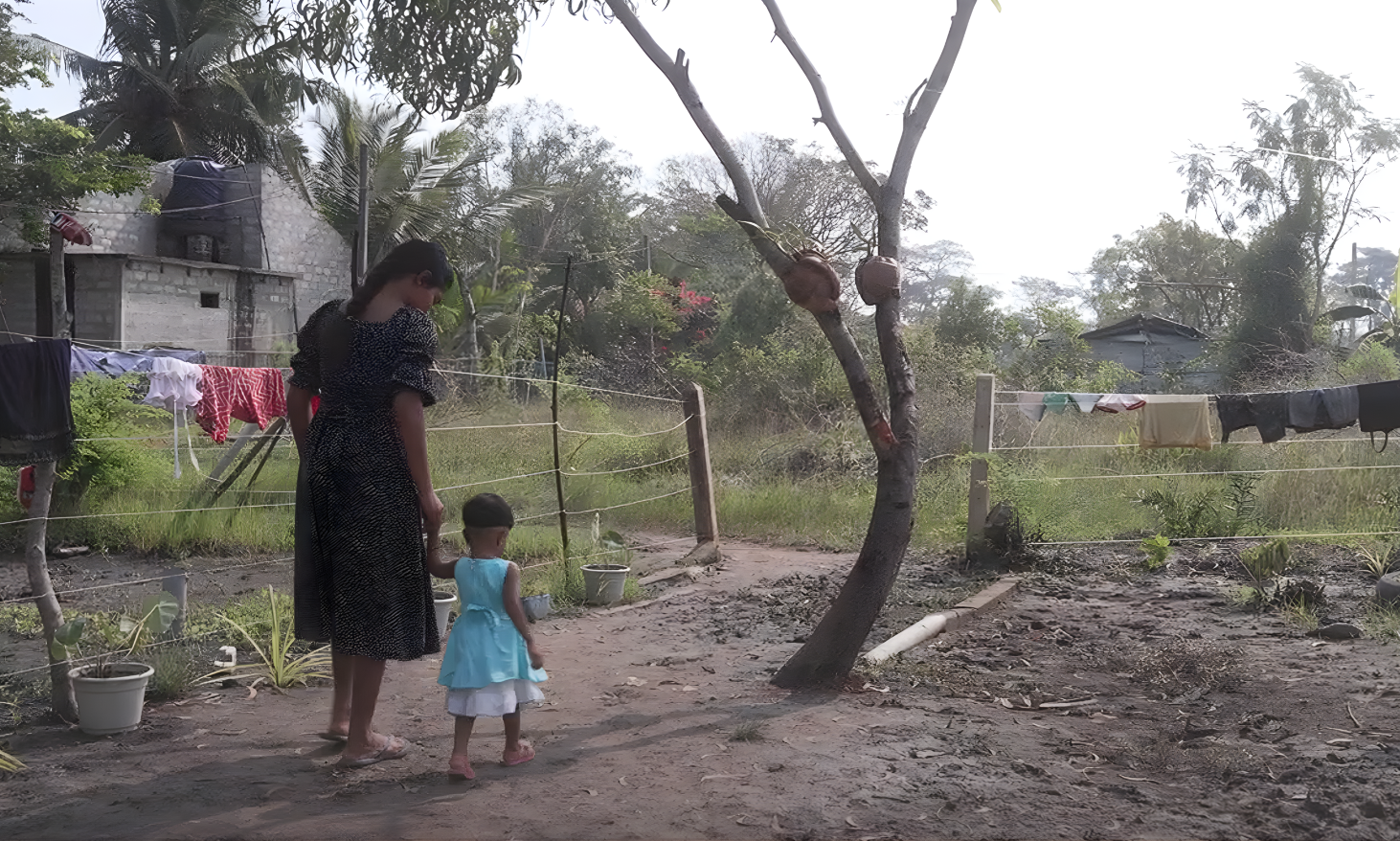
Lucia’s story illustrates the difficult decisions girls face when protection systems fail them.
“I left school just before starting Grade 10, I was 15 when I got married. I thought if I married, I could help my mother and maybe bring her to live with me.” she recalls.
Violence at home and persistent poverty shaped a decision that should never have been hers to make. Today Lucia is a young mother navigating the consequences of early marriage.
“Sometimes if my daughter falls sick, I don’t have money for medicine.”
Yet even within this hardship she speaks with clarity about the future she hopes to build.
“I want to give her everything I never had. A good education. A better life.”
Lucia’s words are not simply a story of vulnerability. They are a reminder that policy decisions taken in distant capitals ultimately shape the choices available to girls in villages, informal settlements and communities navigating crisis.
From ambition to delivery
For those of us working close to these negotiations and programmes, one lesson has become increasingly evident.
Progress for women and girls will depend less on the number of declarations issued each year and more on whether governments, donors and development partners align financing with the scale of the challenge. That means protecting education budgets in fragile contexts, supporting community-led efforts to prevent child marriage and ensuring displaced girls are not excluded from national systems simply because their lives have been disrupted by conflict or disaster.
Lucia has already set her goal: a different future for her daughter.
The responsibility now rests with us not to promise that future, but to make it possible.
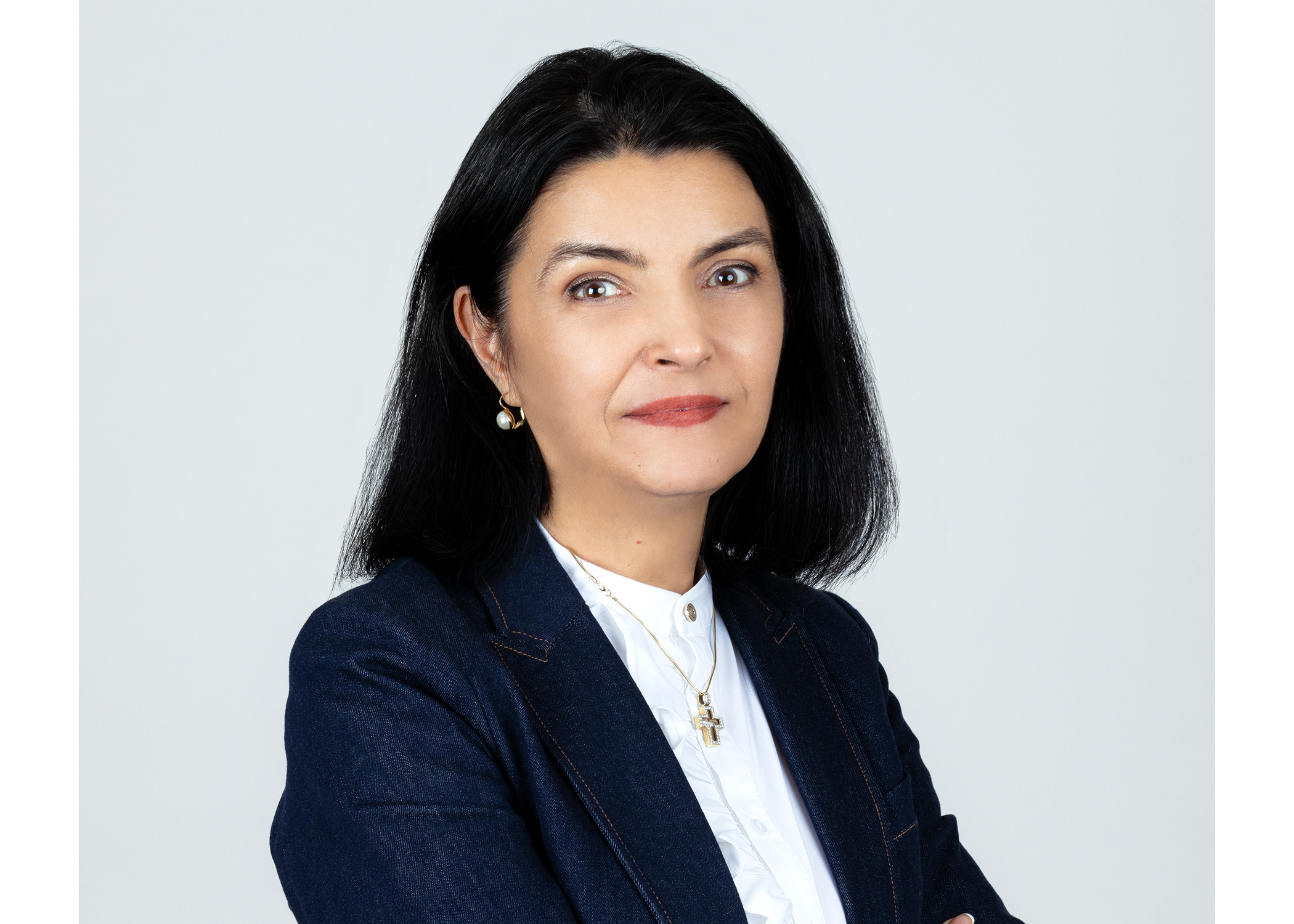
With over 30 years of experience, Dana Buzducea is World Vision International’s Partnership Leader for Advocacy and External Engagement, where she leads global efforts to influence child-sensitive policies, strengthen government and multilateral investments and advance both the Sustainable Development Goals and the Convention on the Rights of the Child.
Subscribe to see more content like this
Related Resources

When Coordination Becomes Survival: Aligning Action for Haiti’s Children

What 2026 Could Mean for Children’s Future
