publication / March 23, 2026
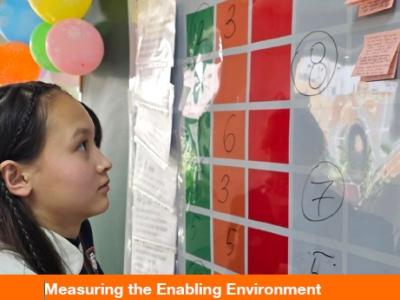
Measuring the Enabling Environment of Children's Groups
A Technical Report on research data from Cambodia and Mongolia, measuring the enabling environment of children's groups.
article / March 18, 2026
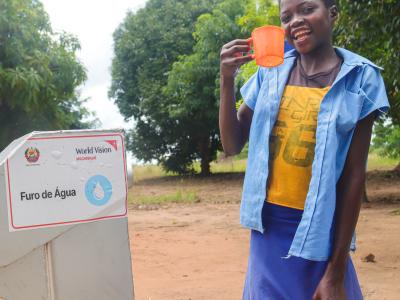
New Water Sources Improve the Learning Environment in Central Mozambique
With a new borehole, healthy habits are fostered among children at school. With access to clean water, children not only wash their hands properly but also have more time to focus on their lessons.
World Vision Mozambique, with support from World Vision Hong Kong, installed five boreholes and 10 handwashing stations in the provinces of Zambézia and Nampula.
landing page / February 26, 2026
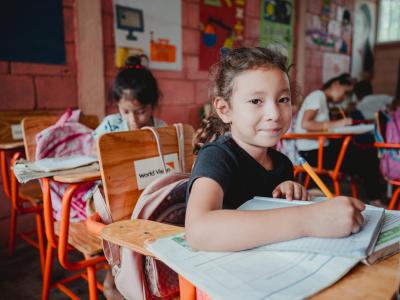
Unlock Literacy in Urban Context: Adaptation, Lessons and Implications
publication / March 23, 2026
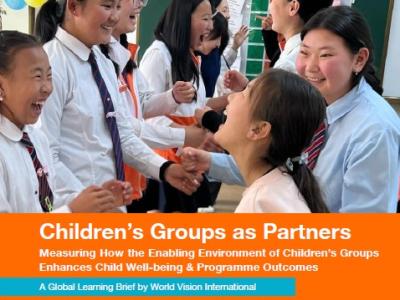
Children's Groups as Partners: Global Learning Brief
A Global Learning Brief on measuring how the enabling environments of children's groups enhances child well-being and programme outcomes.
publication / March 23, 2026
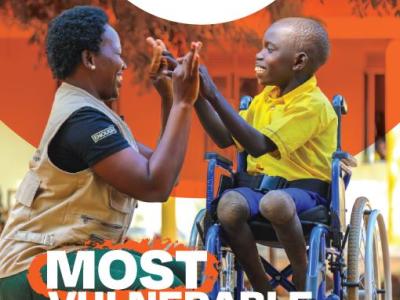
Most Vulnerable Chidren Report
The overarching objective for this report was to review alignment to the World Vision strategic imperative in Our Promise 2030 of deepening our commitment to the most vulnerable children (MVC) specifically to; identify the MVC in World Vision Uganda Area Programmes, determine where the MVC are concentrated, examine changes in MVC status in the communities, determine whether World Vision Uganda geographical footprint is in areas with higher concentrations of MVC, identify the most common vulnerability markers affecting MVC and their families, and guide the identification and prioritization of MVC and their families in beneficiary selection and targeting.
press release / March 18, 2026
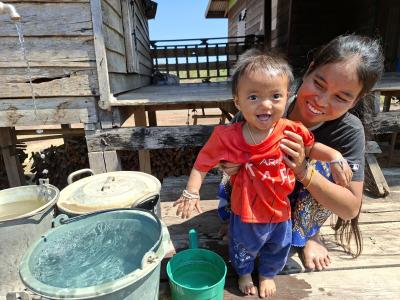
World Water Day 2026: Where Water Flows, Equality Grows
Where Water Flows, Equality Grows
opinion / March 19, 2026
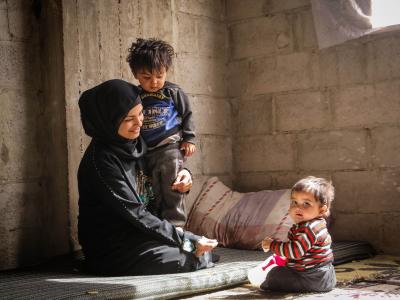
Beyond organisational structures: Why trust is central to child-focused humanitarian action in Syria
Nokuthula S. Khumalo, Technical Director Global Humanitarian Surge, highlights that in prolonged crises like Syria, it is not organisational charts that protect children, but trust. As humanitarian systems shift under funding pressure and political change, Thula reflects on how internal instability shows up in delayed care, weakened safeguarding, and broken continuity for children.
Opening offices is quick; earning staff confidence after years of uncertainty is not. Thula emphasises that listening, presence and honest communication matter more than procedural fixes when certainty is impossible.
Fourteen years into the Syria crisis, if children are to experience continuity, safety, and care during humanitarian transitions, then staff stability and trust must be funded as deliberately as security, supply chains or monitoring systems. Trusted frontline teams are the backbone of safe, child-focused action.
publication / March 10, 2026
World Vision Albania Country Profile 2025: Creating lasting change for children and communities
This year, we continued to empower vulnerable children, youth, and families, witnessing how they thrive with education, protection, and community support,
publication / March 19, 2026
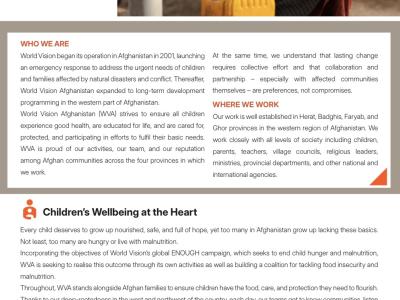
World Vision Afghanistan Country Profile FY25
World Vision Afghanistan delivers emergency and development aid in four western provinces; see the FY25 country profile for details.