Water in Badghis: from ‘her burden’ to ‘her decision’

Written by Mark Calder, Communications, Advocacy, and Policy Director, with additional reporting by Azizullah Hayat, Abdul Rahman Wasir, and Farooq Jawid.
Water is life. But, for many in at-risk communities in Afghanistan, it is also a heavy burden: a constant preoccupation and, far too frequently, a vehicle of disease and preventable deaths.
Humaira, a woman from a village in Badghis province, explains. “We had to walk long distances, sometimes more than one hour, to collect water from unsafe sources like rivers or open wells. The water was often dirty, especially in rainy seasons, and many children and family members became sick. It also took a lot of time from our daily life.”
This burden shaped much of everyday life. Children missed school to help collect water, and Humaira and women like her typically organised their days around water collection and use.
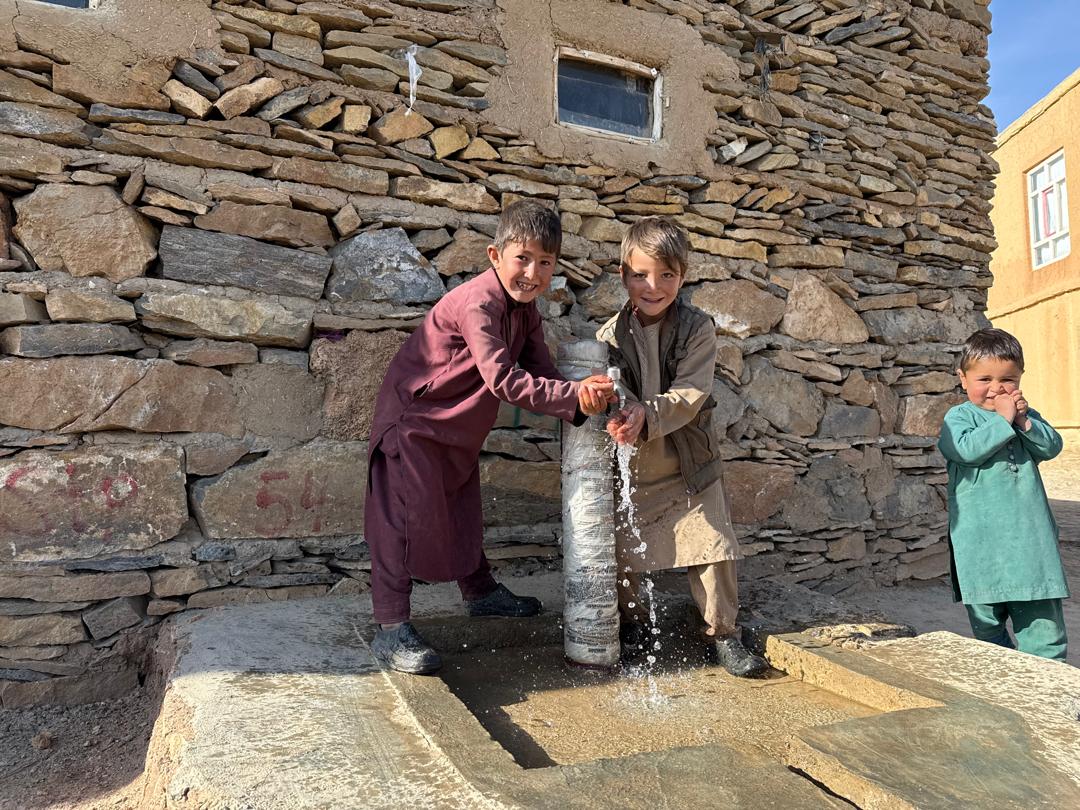
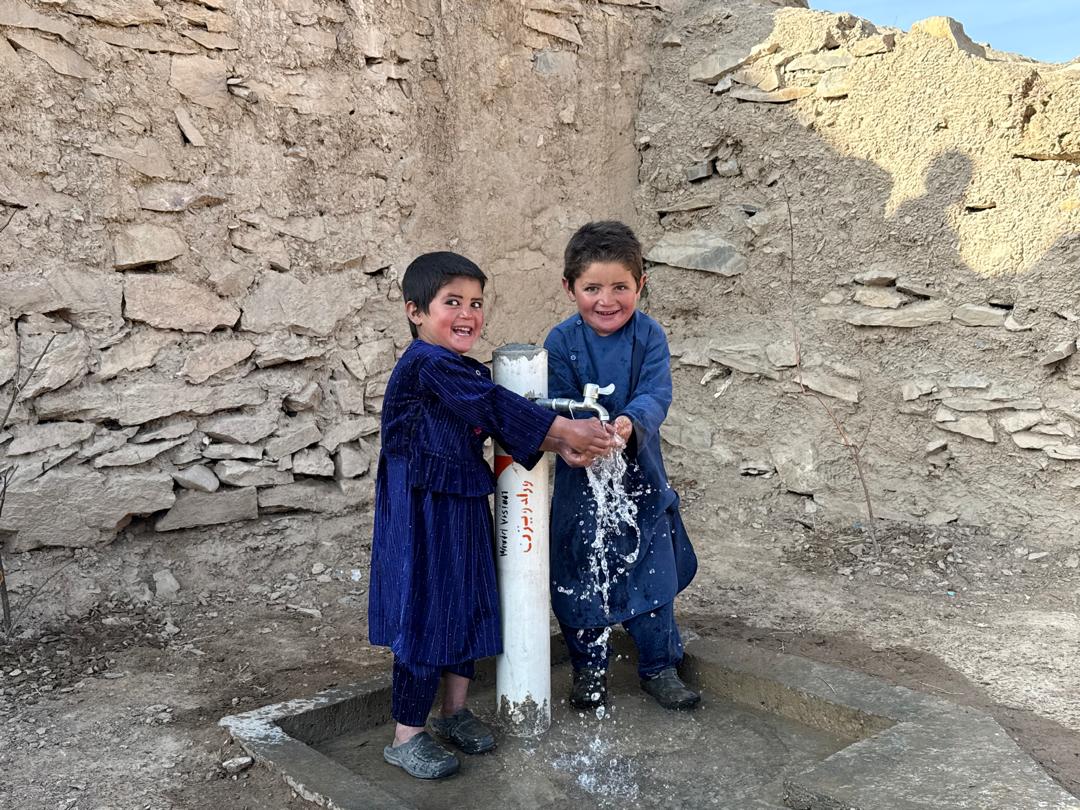
UK-funded support has begun to turn the tide. As part of the World Vision-led DAWAM consortium, Humaira’s community has benefited from the installation of domestic taps. “The situation has improved a lot,” she says. “We have access to clean and safe drinking water near our homes through taps. It has reduced diseases and made our lives much easier. We can now use our time for other important activities.”
Indeed, through one of those important activities, a less obvious but equally profound change is occurring. Water, Sanitation and Hygiene (WASH) groups give women an equal voice with men in decision-making about water.
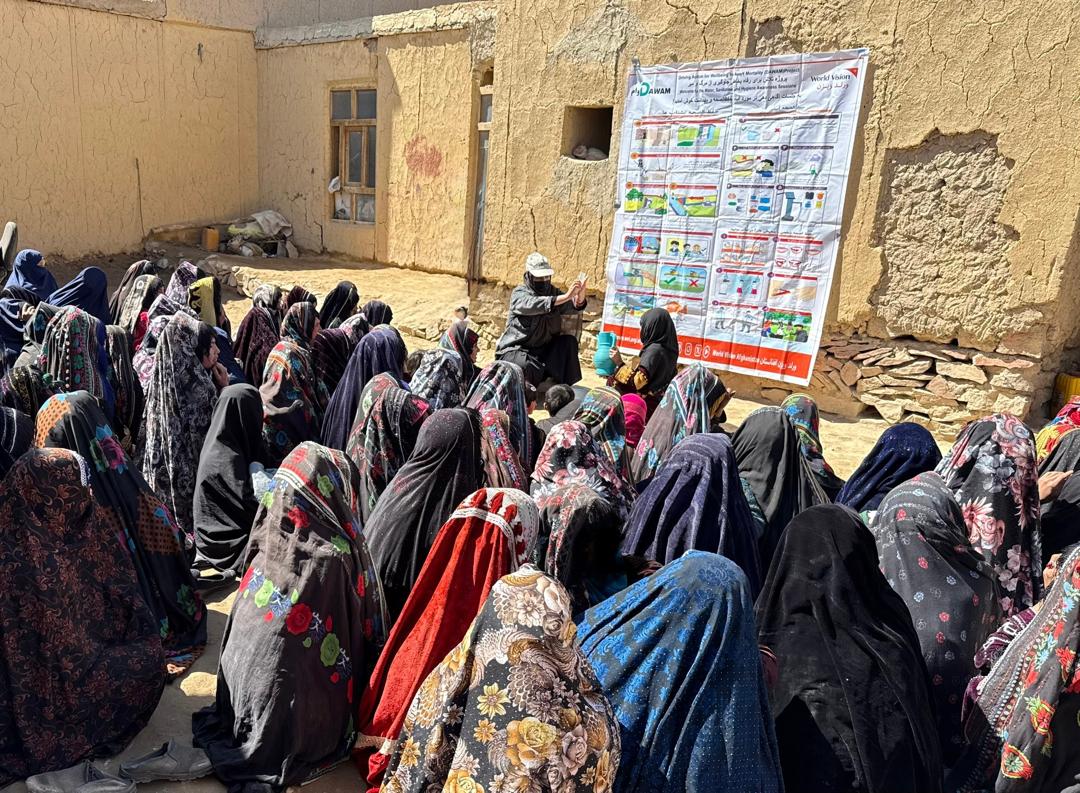
“Women had very little role in decision-making", Humaira recalls, “but through the WASH groups, women are participating in meetings and sharing their ideas. In our households, we also discuss water usage and hygiene practices. Our opinions are now respected, especially in matters related to water and sanitation.”
The gender-balanced WASH groups received training on hygiene, water conservation, and maintenance of water systems, and so women are empowered to train other women in the community. This has translated into more active roles in managing water at both household and community levels.
“The training has helped us understand how to properly use and maintain water systems,” she explains. “We learned about hygiene, water conservation, and how to keep the water points clean. Women are now part of the committees, and we take responsibility for sustainability. This helps ensure the system continues to function for a long time.”
World Vision’s WASH sector lead, Carolyne Judith Amollo, said, “World Vision sees water as the blue thread than enables all manner of positive change, whether saving lives through tackling malnutrition, or creating opportunities for women to exercise their agency. Many challenges remain, and women’s participation in public life remains constrained and uneven, shaped by wider social and cultural barriers, but in Humaira’s community women have begun to move the dial a little thanks to a UK-funded WASH intervention.”
Humaira, too, sees more than material change through the WASH group, discerning a shift in how the community sees women’s role going forward.
“In the future, we see ourselves as more confident and active members of the community. We want to continue participating in decision-making and support development activities. We believe women can play an important role not only in households but also in community leadership.”
In this village, the decisions of the WASH group currently affect the lives of 481 families (3,367 people), with water infrastructure including 230 sand taps and four water troughs. Schools and mobile health teams are also using the improved water systems.